
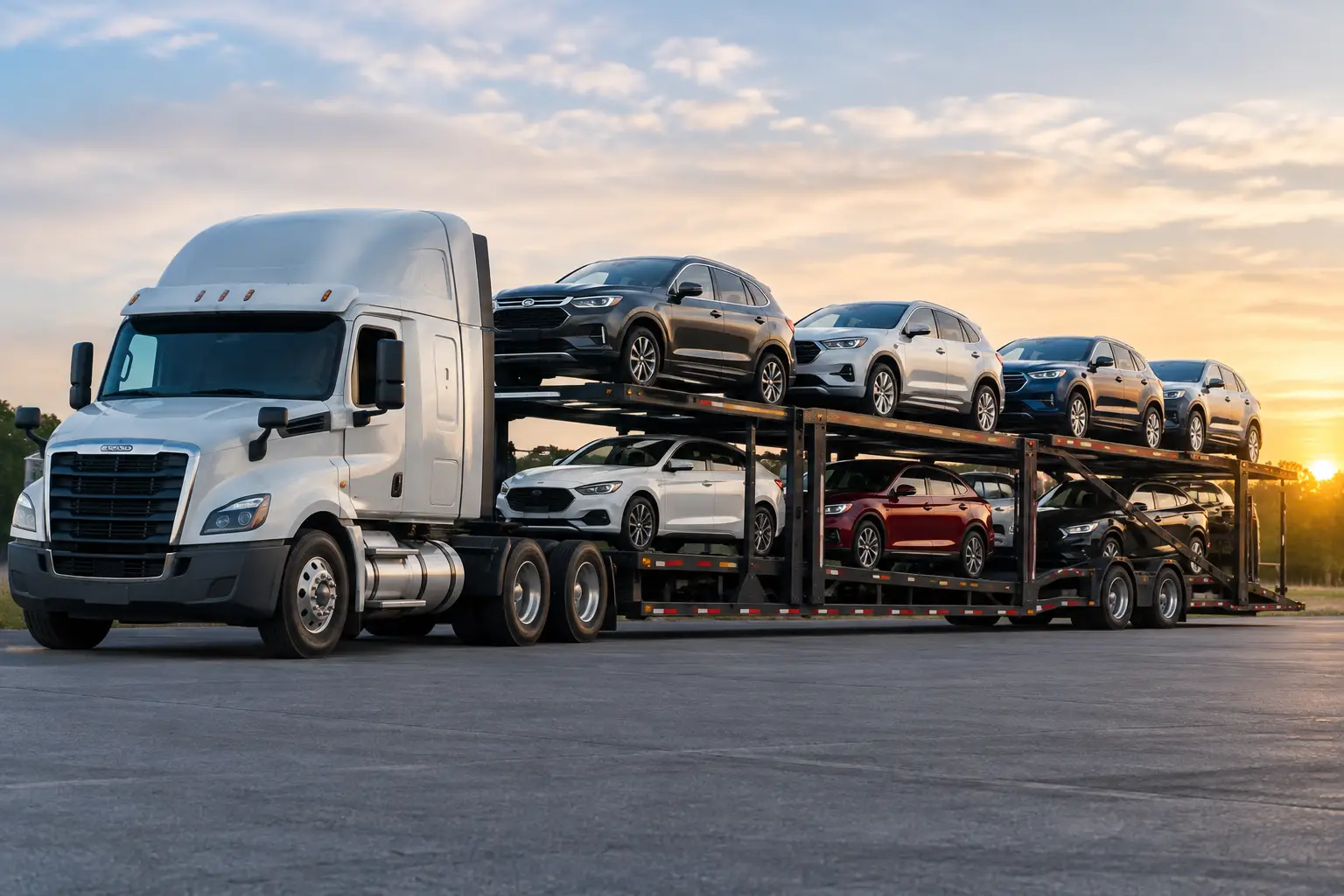
A vehicle that runs perfectly can still become a problem when it needs to get from one place to another without adding miles, risking a breakdown, or relying on a friend with a questionable tow setup. Vehicle transport is often the simplest answer for moving a car, truck, side-by-side, or project vehicle, but the trailer choice and loading process matter just as much as the destination.
For Verde Valley drivers, hauling can mean taking a classic car to a shop, moving a vehicle after a purchase, bringing an off-road rig to the trail, or getting a disabled car home. A properly matched car hauler rental gives you control of the move without the cost and hassle of owning a trailer that sits unused most of the year.
Start Vehicle Transport With the Right Trailer
The right trailer is not simply the one that looks large enough. It needs to safely handle the vehicle’s weight, width, wheelbase, and ground clearance. Those details determine whether loading is easy and whether the vehicle rides securely once you are on the road.
A full car hauler is usually the best fit for cars, pickups, and many SUVs. It supports all four wheels, which reduces wear on the vehicle and gives you more options for securing it. This is especially useful for all-wheel-drive vehicles, low-mileage vehicles, classics, and vehicles that should not be towed with two wheels on the pavement.
Before booking, know the approximate curb weight of what you plan to haul. Do not guess based on how big it looks. A compact car, full-size pickup, Jeep, and side-by-side can have very different weights. Add the trailer’s empty weight to the vehicle weight, then make sure your tow vehicle is rated to pull the total. Also confirm the trailer’s payload capacity, not just its overall size.
Width matters too. Check the tire-to-tire width of the vehicle and account for mirrors, fenders, and doors. If you are hauling a low car, ask about ramp angle and clearance. A vehicle with a long front overhang or lowered suspension may need extra care during loading to avoid scraping.
Match the Tow Vehicle Before You Book
A capable trailer does not make up for an undersized tow vehicle. Your truck or SUV must have a towing rating that covers the loaded trailer, and it needs a properly rated hitch and ball mount. The hitch receiver rating, ball rating, wiring connection, and brake controller all need to work together.
Trailer brakes are a major part of safe vehicle transport. A loaded car hauler has real momentum, especially on downhill grades and around the rolling roads outside Sedona, Jerome, and Camp Verde. A brake controller lets the trailer help slow the load instead of putting all the work on your tow vehicle’s brakes.
Take a minute to check tire condition and tire pressure on both the tow vehicle and trailer. Heat, weight, and highway speed are hard on underinflated tires. Check your mirrors as well. You need a clear view down both sides of the trailer and enough room to see traffic behind you.
If you have never towed before, do not make your first trip a rushed pickup during heavy traffic. Give yourself time to become familiar with the trailer, wider turns, slower acceleration, and longer stopping distance. There is no prize for getting on the road five minutes sooner.
Loading a Vehicle Safely
Loading is where a good plan prevents most headaches. Park the trailer and tow vehicle on firm, level ground whenever possible. Set the tow vehicle’s parking brake, put it in park, and follow the trailer provider’s instructions for ramp setup and loading.
Drive the vehicle slowly and straight up the ramps. Keep someone clear of the ramp path and do not try to correct a crooked approach with a sharp turn while halfway up. If the vehicle is not centered, back down and reset. Taking an extra minute is better than damaging a tire, fender, ramp, or the vehicle itself.
Once loaded, position the vehicle so the trailer carries proper tongue weight. In plain terms, the front of the loaded trailer should have enough weight to stay stable behind the tow vehicle. Too little tongue weight can lead to dangerous trailer sway. Too much can overload the rear of the tow vehicle and make steering less effective.
The exact position depends on the vehicle, trailer, and tow vehicle. A common starting point is to place the vehicle slightly forward of the trailer axles, but do not assume one position works for every setup. Follow the rental provider’s guidance and look at how the trailer sits. It should be level or close to level, not tipped noticeably up or down.
Secure It at Four Points
A vehicle is not secured because the parking brake is on or because it is in park. The suspension moves, tires compress, and road vibration works on every loose strap. Use proper wheel straps, tie-downs, chains, or other rated equipment designed for the trailer and vehicle. Never rely on worn straps, random rope, or hardware-store ratchet straps that are not rated for the load.
Secure the vehicle at four points according to the equipment instructions. Wheel straps are often preferred because they hold the tires while allowing the suspension to do its job. If chains are used, choose proper attachment points on the vehicle. Do not hook onto steering components, brake lines, bumpers, or other parts that can bend or fail.
Cross safety chains beneath the coupler when connecting the trailer. Connect the breakaway cable correctly, plug in the trailer lights, and test the turn signals, brake lights, running lights, and electric brakes before leaving. A quick walk-around should also confirm that ramps, jack stands, loose tools, and spare straps are secured.
After driving a few miles, pull over somewhere safe and inspect the tie-downs again. This is not optional busywork. Straps can settle as the vehicle suspension shifts during the first part of the trip. Check them again during longer drives or after rough roads.
Drive for the Load You Have
Towing changes how every normal driving decision feels. Leave more space ahead, brake early, and avoid sudden lane changes. Your trailer tracks inside the path of the tow vehicle on turns, so take corners wider than you normally would. Watch curbs, fuel pumps, parking lot islands, and tight entrances.
Speed is another trade-off. The posted limit may be legal, but it is not always the right speed for a loaded trailer, crosswinds, steep grades, or traffic. A steady, controlled pace gives you more time to react and reduces strain on tires, brakes, and tie-downs.
Backing up takes practice. Put one hand at the bottom of the steering wheel. Move your hand in the direction you want the trailer to go, using small corrections. If the trailer starts to jackknife, pull forward and straighten it out. Repeated small resets are normal. Forcing a bad angle usually makes the job harder.
Make Pickup and Return Easy
The practical benefit of renting is that you get the equipment for the job without storing, maintaining, registering, and repairing a trailer year-round. But an easy rental starts with clear information. Tell the provider what vehicle you are hauling, what you are towing with, and whether the vehicle runs. Those details help avoid showing up with the wrong setup.
Monsoon Trailer Rental helps local customers get matched with dependable hauling equipment without the high-rate, big-company runaround. Contactless pickup and dropoff can save time, but you should still review the trailer condition, rental terms, and operating instructions before leaving.
Return the trailer clean of loose debris and on time, with ramps, straps, and accessories accounted for. If something changes during the haul, such as a tire issue or equipment concern, contact the rental provider right away instead of trying to improvise a repair on the roadside.
A good vehicle move should feel uneventful: the trailer tracks straight, the load stays put, and you arrive without surprises. Take the time to match the trailer, confirm the weights, and secure the vehicle correctly. That is how a one-day transport job stays a one-day transport job.