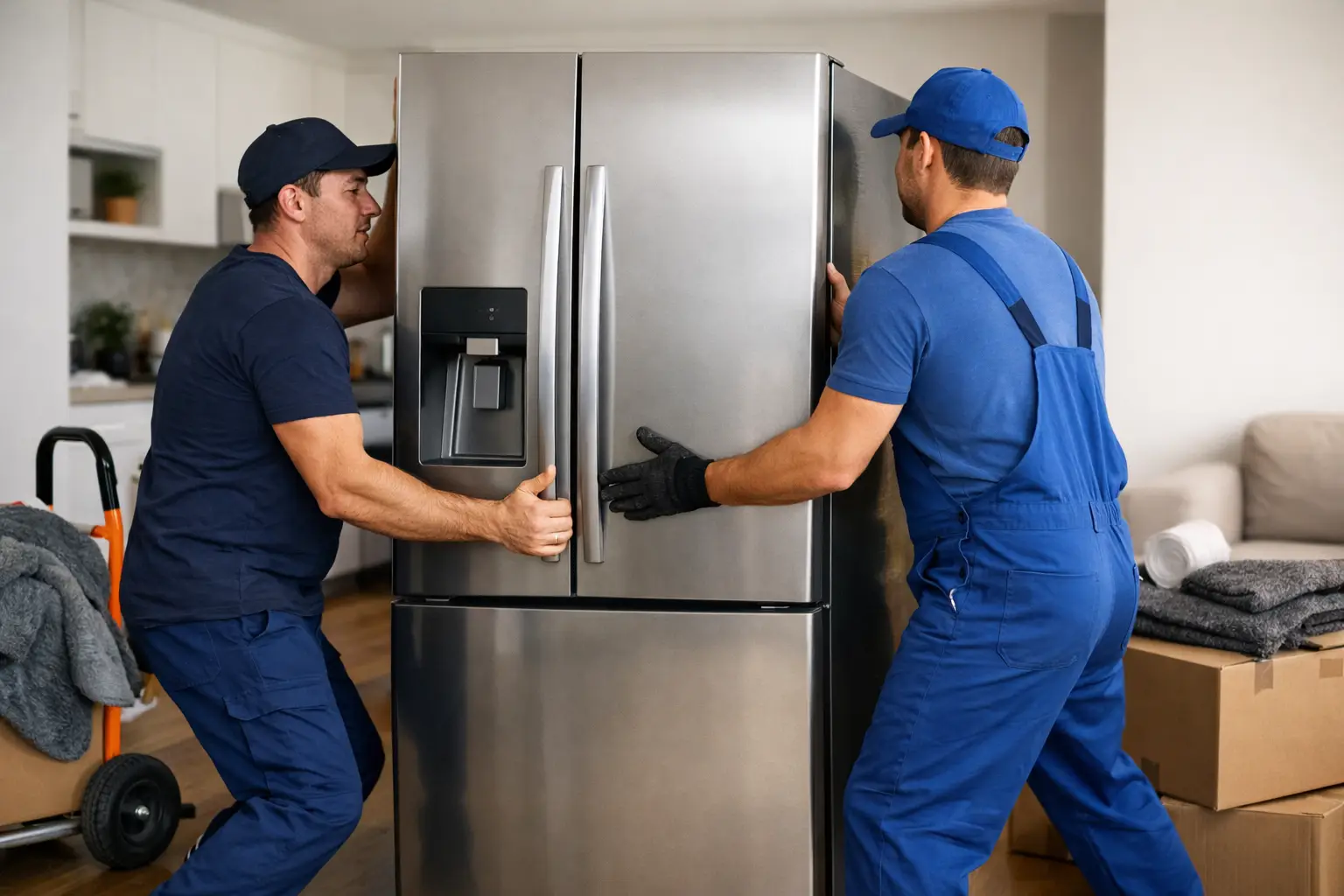

Saturday gets expensive fast when the wrong trailer turns a two-hour pickup into three trips across town. If you’re looking at hauling equipment for weekend projects, the real question is not just what can carry the load. It is what gets the job done without wasting time, fuel, or patience.
Around the Verde Valley, weekend jobs tend to be real jobs. A homeowner tears out old cabinets, a landscaper moves a compact mower, someone finally hauls that project car, or a contractor needs materials moved without tying up a full work truck. In those cases, the best hauling setup is usually the one that matches the job closely – not the biggest thing available and not the cheapest option if it means making extra runs.
Choosing hauling equipment for weekend projects
Most weekend hauling comes down to four things: what you are moving, how much it weighs, how much space it takes up, and how easy it is to load. People often focus on bed length first, but load type matters just as much. A stack of lumber, a side-by-side, yard debris, and a sedan all need different kinds of support.
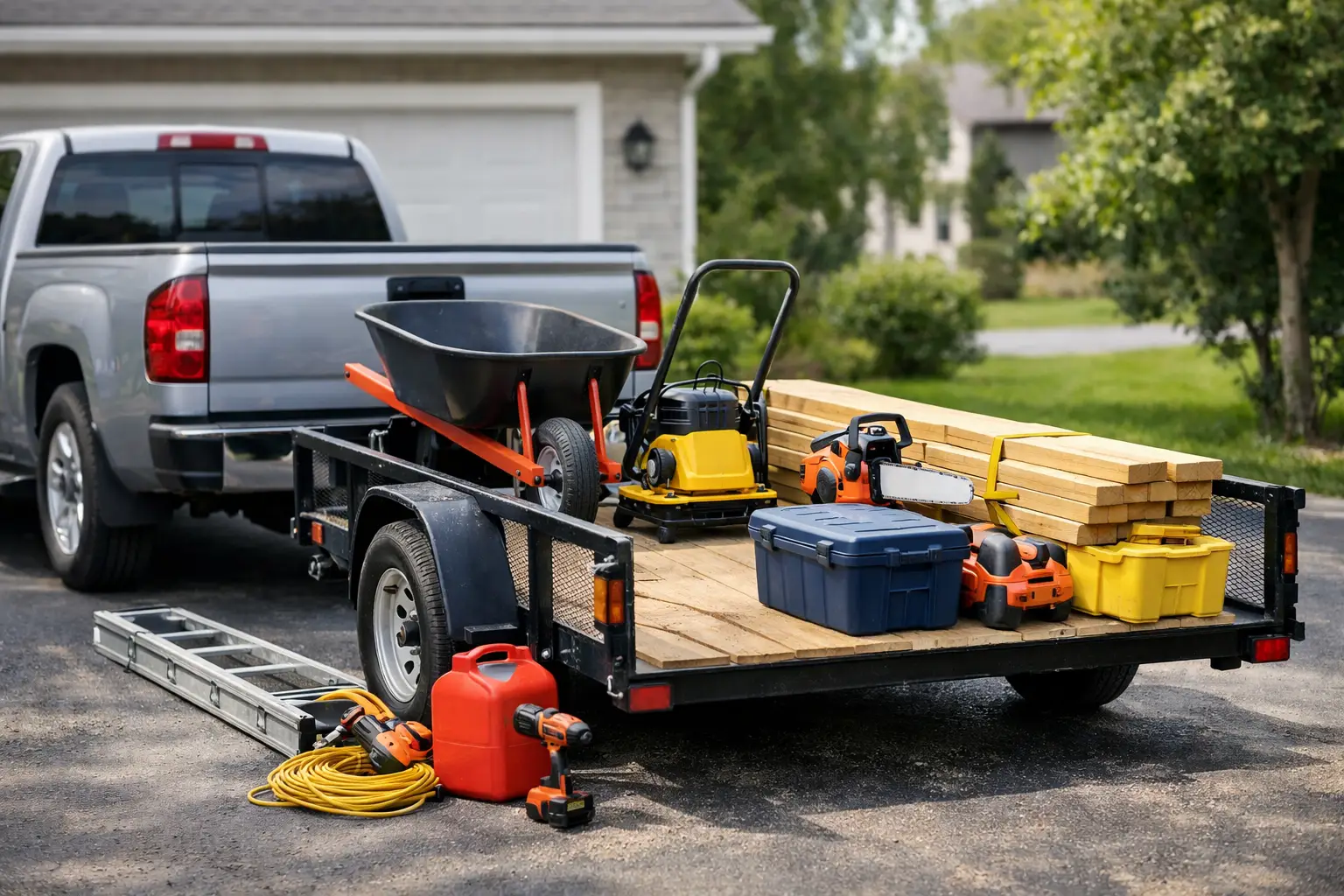
For general cleanup, home improvement, and landscaping runs, a utility trailer is usually the first place to look. It is simple, versatile, and easier to tow than people expect when it is matched correctly to the vehicle. If you are hauling mulch, appliances, tools, or debris from a garage cleanout, a utility trailer handles the job without overcomplicating things.
If the weekend project involves moving a vehicle, that is where a car hauler earns its keep. A proper car hauler gives you the deck space, weight capacity, and loading setup needed for cars, small trucks, and some equipment. Trying to improvise vehicle transport with the wrong trailer is where people run into avoidable trouble.
The right trailer depends on the job
A lot of renters think they need one answer for every project. In practice, the right choice depends on the load.
Utility trailers for cleanup, materials, and equipment
Utility trailers are the workhorses for smaller and mid-size jobs. They make sense when the cargo is bulky but not extreme in weight, or when you need easy loading from the rear or sides. They are a solid fit for furniture, yard waste, fencing supplies, small machines, and renovation debris.
They also make sense for homeowners who only need hauling power a few times a year. Buying and storing a trailer for occasional dump runs or supply pickups rarely pencils out. Renting lets you use the right equipment when you need it and skip the maintenance the rest of the year.
Car haulers for vehicle moves
A car hauler is not just a bigger trailer. It is built for the weight distribution and tie-down needs that come with transporting vehicles. If you are moving a project car, taking a vehicle in for repairs, bringing home an auction purchase, or relocating a non-running car, this is the safer and more practical option.
The same goes for some heavier rolling equipment. Depending on size and weight, a car hauler may be the better fit than a standard utility trailer. This is one of those it-depends situations where getting real guidance matters, especially if you are towing with a half-ton pickup or SUV and need to stay within capacity.
What people get wrong about hauling equipment
The biggest mistake is renting by guesswork. People estimate weight loosely, assume their vehicle can tow more than it should, or focus only on whether the load physically fits. A load can fit on the trailer and still be a poor match because of axle limits, tongue weight, or how the cargo sits on the deck.
Another common issue is underestimating loading and unloading. That old riding mower might not be especially heavy, but if the trailer is awkward for the equipment and you do not have the right ramp setup, the job gets harder in a hurry. The same goes for hauling stone, pavers, or demolition debris. Dense materials add weight quickly, even when they do not take up much room.
Then there is the “I’ll just make more trips” mindset. Sometimes that works. Sometimes it burns half your Saturday and ends up costing more in fuel and time than renting the right trailer from the start.
How to pick the right size without overdoing it
Bigger is not always better. A larger trailer can give you more room, but it also changes how the vehicle handles, how much room you need to turn, and how careful you need to be with load placement. For first-time renters especially, the easiest trailer to use well is usually the one sized for the actual job, with a little margin built in.
Start with the heaviest item, not the largest one. From there, think about total combined load, including tools, tie-downs, and anything extra that will end up on the trailer at the last minute. If the trailer is for a weekend cleanup, be honest about how quickly material piles up once you get moving. People often start with a light load and finish with concrete chunks, old shelving, broken tile, and scrap metal all stacked together.
If you are hauling a vehicle, know the actual vehicle weight if possible. Curb weight matters more than rough guesses. So does whether the vehicle runs, rolls freely, and can be positioned correctly on the trailer.
Towing vehicle matters as much as the trailer
The trailer gets most of the attention, but your tow vehicle is half the equation. Tow rating, hitch class, brake setup, wheelbase, and payload all affect how the trailer behaves on the road. A capable truck makes towing easier, but even then, staying within real limits matters.
SUVs and smaller trucks can do plenty of weekend hauling when the trailer and load are matched correctly. Where people get into trouble is assuming every receiver hitch means every trailer is fair game. It is worth checking numbers before pickup day instead of figuring it out in the parking lot.
This is where working with a local rental company helps. A team that actually picks up the phone can help you sort out whether your vehicle is a good fit for the trailer and the load. That saves time and keeps the weekend project from turning into a towing lesson the hard way.
Safety is not complicated, but it does matter
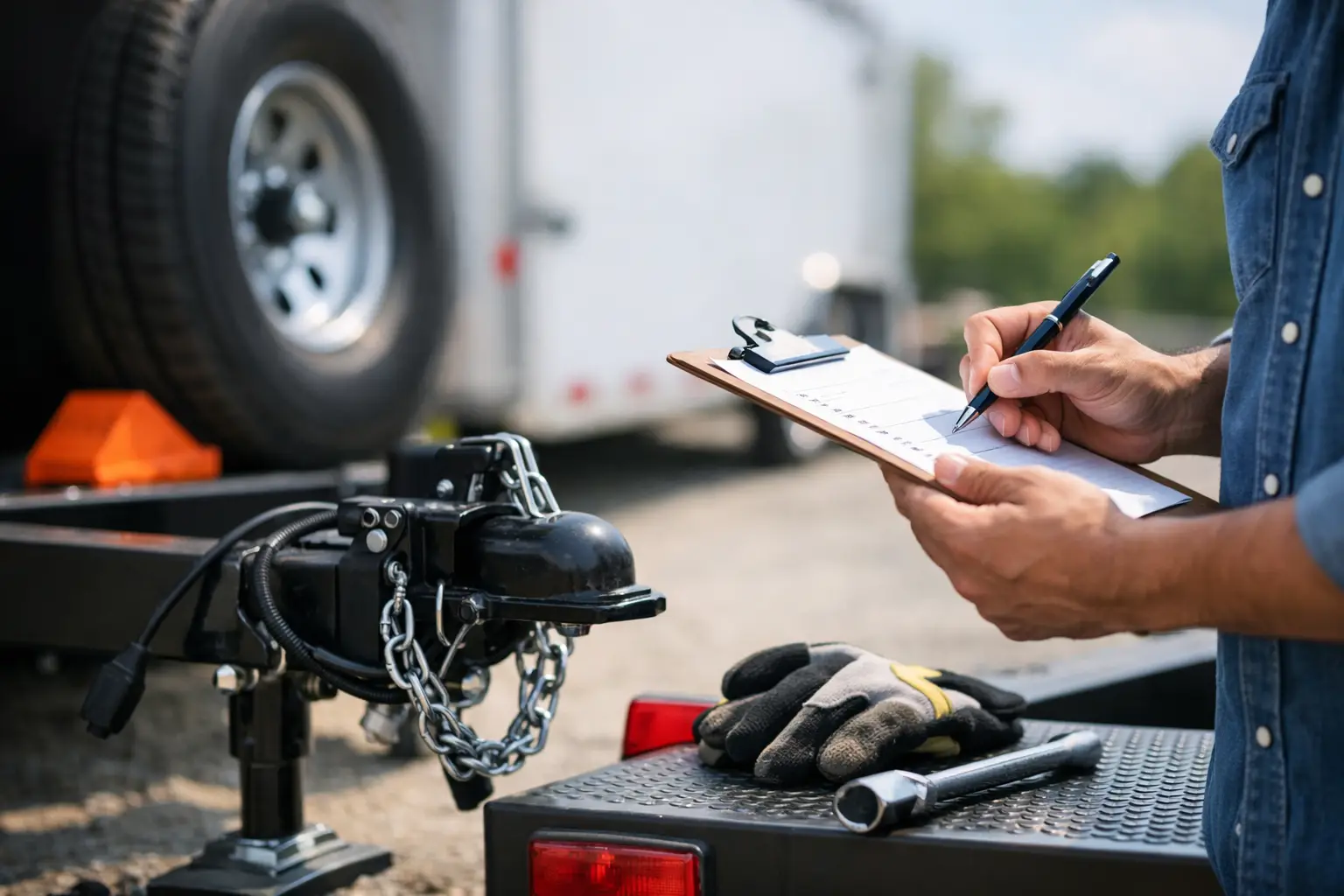
Hauling safely is mostly about basic habits done right. Secure the load. Check the coupler. Confirm lights. Cross the safety chains. Make sure weight is balanced properly. Give yourself more stopping distance than usual.
The trouble is that small mistakes stack up. A badly balanced load can cause sway. Loose debris can shift. An overloaded trailer makes braking harder and steering less predictable. None of that is dramatic when things go right, but it becomes very noticeable when traffic slows suddenly or you hit uneven pavement.
For weekend renters, a short walkthrough before leaving is worth more than a long list of theory. Know how the trailer hooks up, how the load should sit, and what your route looks like. If you are driving through tighter streets, hills, or busy traffic around Cottonwood or Sedona, planning ahead makes the trip a lot less stressful.
Renting versus owning for occasional projects
For most homeowners and many small operators, renting hauling equipment for weekend projects makes better financial sense than owning. Ownership sounds convenient until you add up purchase price, registration, tires, wheel bearings, storage space, and the fact that the trailer sits unused most of the time.
Renting also lets you match the equipment to the job instead of forcing every job onto the same trailer. One weekend may call for a utility trailer for a landscaping haul. The next may need a car hauler for a vehicle move. Flexibility is the real advantage.
That is especially true if you want straightforward service instead of a corporate runaround. A local rental outfit like Monsoon Trailer Rental tends to be a better fit for people who just want dependable equipment, fair pricing, and clear answers.
When local service actually helps
Not every hauling job is complicated, but a lot of them are time-sensitive. If you are picking up materials, moving equipment for a job, or trying to finish a cleanup before Monday, you do not want delays over basic questions. You want to know what is available, whether it fits your vehicle, and what it will cost.
That kind of direct help matters more than fancy sales talk. It also helps when the company understands the area, the kinds of loads people move here, and the difference between a quick weekend dump run and a full vehicle transport.
The best rental experience is usually simple. Get the right trailer, get clear guidance, and get on the road without a bunch of back-and-forth. That leaves more time for the project itself, which is the whole point.
Weekend jobs rarely stay small for long. If you choose hauling equipment with the load, the tow vehicle, and the route in mind, the work goes smoother and the day stays yours.