
A pickup bed fills up fast when you are clearing brush, hauling lumber, moving a mower, or making a dump run. Utility trailers give you the extra room to finish the job in fewer trips without buying equipment you may only use a few times a year. For homeowners, contractors, landscapers, and vehicle owners around the Verde Valley, the right trailer can turn a long weekend project into a straightforward haul.
The key is not just finding a trailer. It is choosing one that fits the load, your tow vehicle, and the roads you will travel. A trailer that is too small creates extra trips. One that is too large may be harder to maneuver, more than your vehicle can safely pull, or simply more than the job calls for.
What Utility Trailers Are Best For
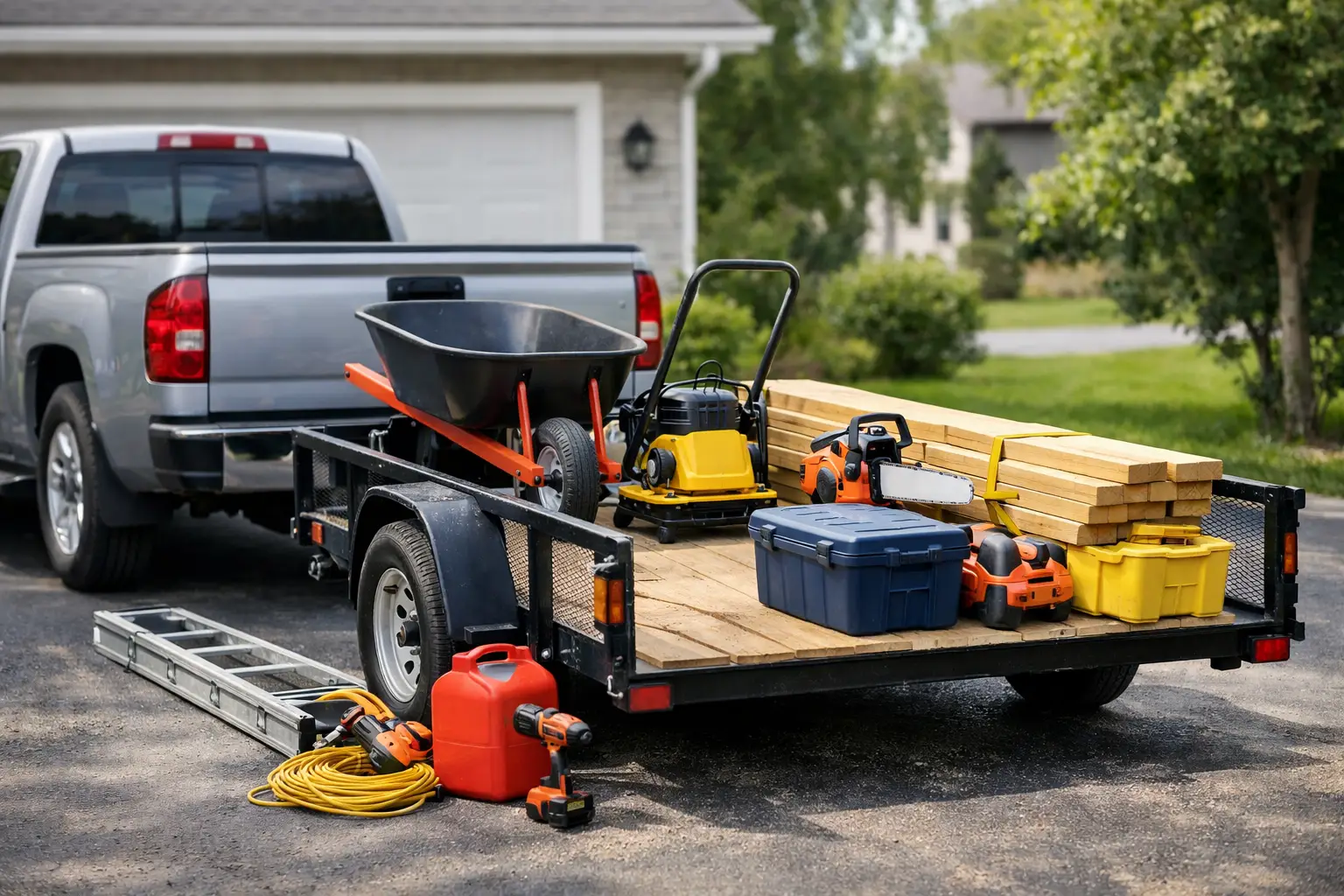
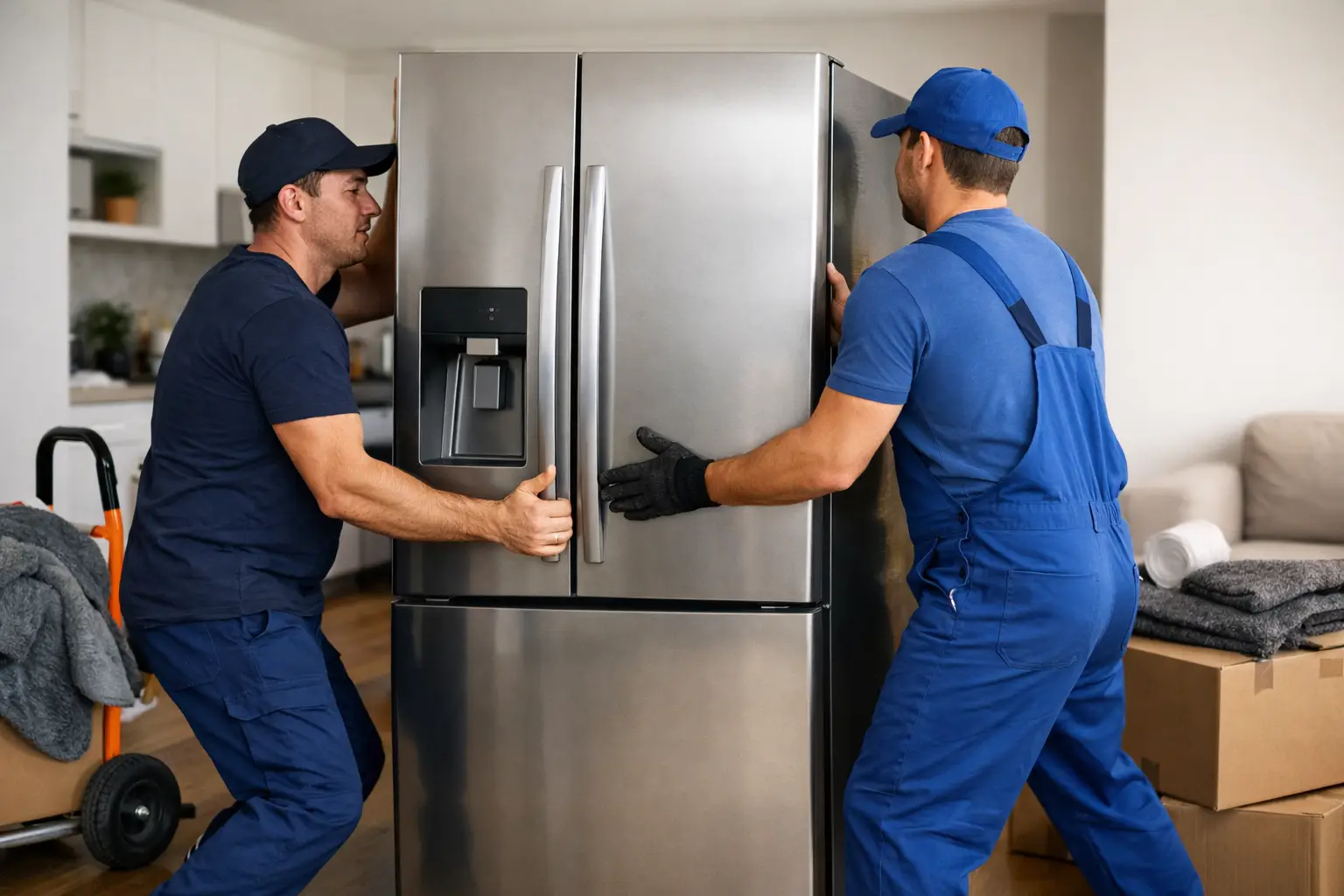
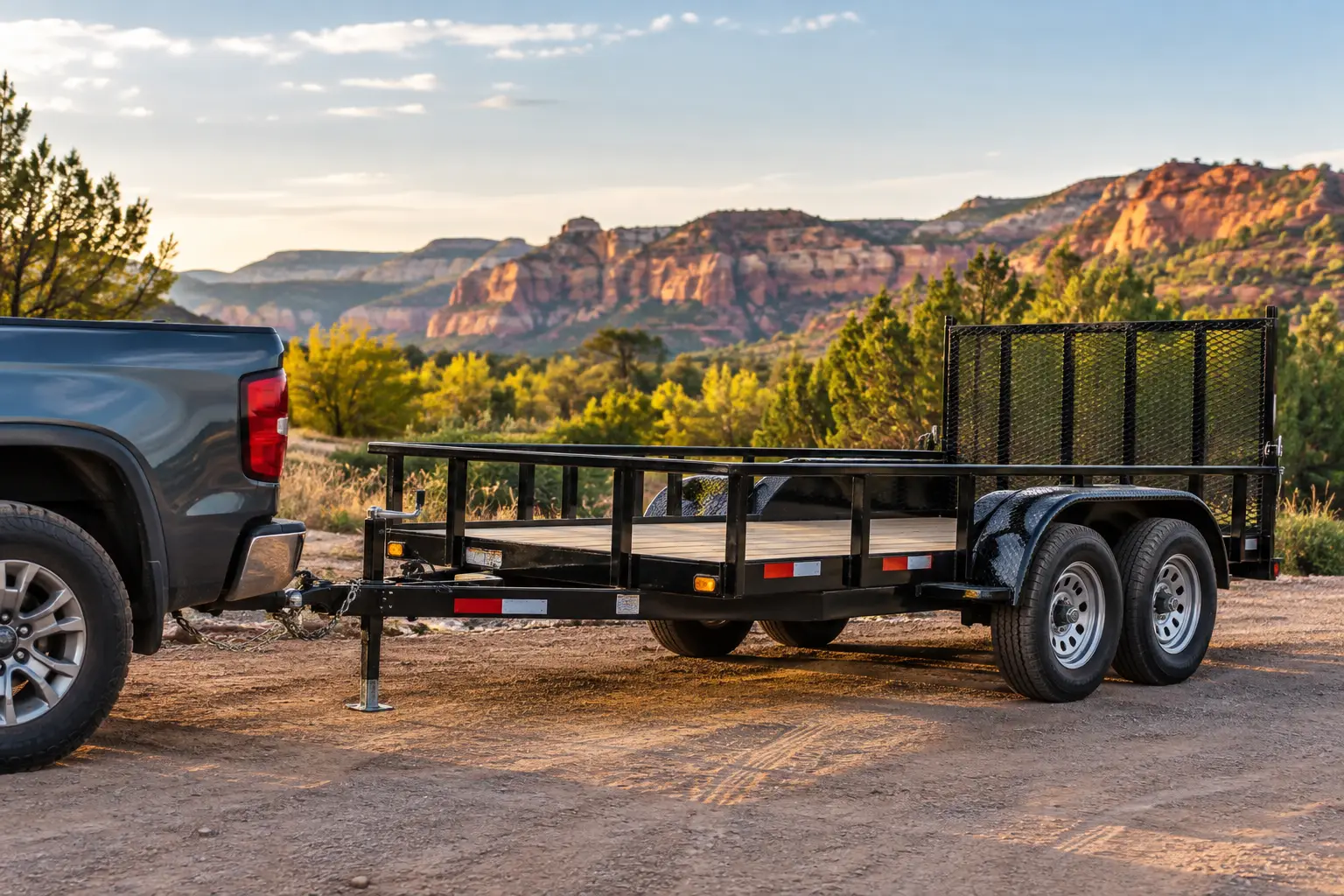
Utility trailers are open-deck trailers built for practical, everyday hauling. Their low sides and easy access make them a strong fit for bulky materials that do not need to be enclosed. They are commonly used for yard debris, furniture, construction supplies, small equipment, appliances, landscaping materials, and other loads that would overwhelm a truck bed.
For a homeowner, that might mean hauling old fencing, brush, bags of concrete, or a riding mower. For a small business, it could mean moving tools, compact equipment, materials, or supplies between jobs. Open trailers are also useful when the load is awkwardly shaped and needs room to be secured from several sides.
That said, an open trailer is not always the right answer. If you are hauling items that need weather protection, loose material that could blow out, or valuables you cannot leave exposed, another trailer type may make more sense. The best choice depends on what you are hauling, not just how much you can fit.
Choose a Utility Trailer by the Job
Start with the load. Be realistic about both its size and its total weight. A few landscaping rocks, for example, can weigh far more than they look. The same goes for wet dirt, firewood, concrete, and equipment. Do not guess when the load is heavy. Check the weight of the material or equipment before choosing a trailer.
Next, think about deck length and width. A trailer for a few dump runs may not need the same deck space as one for a side-by-side, mower, palletized materials, or long lumber. You want enough room for the load to sit flat and be tied down properly. Hanging material off the sides or rear can make a simple haul unsafe fast.
Your tow vehicle matters just as much. Check its owner’s manual for the towing capacity, tongue-weight limit, hitch requirements, and electrical connector type. Towing capacity is not a suggestion. It includes the loaded trailer, not just the empty trailer. A half-ton pickup may handle many common jobs well, but that does not mean every loaded trailer is within its limits.
Do not overlook the hitch. The ball size must match the trailer coupler, the hitch must be rated for the job, and the coupler needs to be fully seated and locked. If you are new to towing, it is worth taking a few extra minutes at pickup to confirm every connection before you leave.
A quick way to match trailer and load
For lighter household hauling, a smaller open utility trailer may be all you need. It is easier to pull, park, and back into a driveway. For larger cleanup jobs, landscaping work, or heavier equipment, you may need a trailer with more deck space and a higher load rating.
If you are moving a vehicle, do not assume a standard utility trailer will work. A purpose-built car hauler is designed for that job, with the right deck layout, loading approach, and tie-down points. Using the proper trailer protects the vehicle, the driver, and everyone else on the road.
Load It Right Before You Pull Out
Most trailer problems begin before the wheels ever start moving. Loading safely takes a little planning, and it can save you from damaged cargo, trailer sway, or a dangerous situation on the road.
Put the heaviest items low and close to the trailer axle area. A balanced load generally places a modest amount of the total weight on the hitch, often referred to as tongue weight. Too little weight on the tongue can cause sway. Too much can overload the rear of the tow vehicle and affect steering and braking.
Spread the weight from side to side as evenly as possible. A load piled on one side can make the trailer pull unevenly and put unnecessary strain on the tires and suspension. Once the cargo is positioned, secure it with properly rated straps, chains, or binders. Rope may be fine for light tarps, but it is not the right tool for holding down equipment or heavy materials.
Before leaving, walk around the trailer and check the basics: the coupler is locked, safety chains are crossed and connected, the breakaway cable is attached when applicable, lights work, tires look properly inflated, and ramps or gates are secured. If you are hauling loose debris, cover it with a tarp. Arizona roads can be windy, and nobody wants to watch a load of leaves, cardboard, or light trash scatter behind them.
Towing in Northern Arizona Takes a Little More Care
Towing changes how your vehicle accelerates, stops, turns, and handles hills. Give yourself more room than usual, especially behind other vehicles. Brake earlier and more gradually. Take turns wider, and keep your speed reasonable for the load and road conditions.
The terrain around Cottonwood, Clarkdale, Camp Verde, Sedona, and Jerome can include grades, curves, narrow roads, and changing weather. A trailer that feels easy to pull on a flat stretch may handle differently on a downhill grade or in crosswinds. Downshift when needed to help control speed on descents instead of riding the brakes.
Backing up is another place where a calm approach helps. Put one hand at the bottom of the steering wheel. Move your hand in the direction you want the trailer to go, using small corrections rather than big turns. If the trailer starts to jackknife, pull forward, straighten out, and try again. There is no prize for forcing a bad backing attempt.
If you have never towed before, practice in an open parking area before heading into traffic or a tight driveway. A few minutes of practice is cheaper than a damaged gate, bumper, or trailer fender.
Renting Makes Sense When the Job Is Occasional
Owning a trailer can be worthwhile if you haul often and have a secure place to store it. But ownership also means maintenance, registration, tire checks, bearing service, repairs, and space in the yard or driveway. For many people, those costs do not make sense for a handful of jobs each year.
Renting lets you choose the trailer that fits the job in front of you. You can use a compact utility trailer for a weekend cleanup, step up to a larger option for equipment or materials, or select a car hauler when moving a vehicle. You get the hauling capacity without making year-round payments for equipment sitting unused.
A good local rental experience should be simple. You should be able to describe what you are hauling, get clear guidance on the available trailer options, and reach a real person if you have a question. Monsoon Trailer Rental serves practical hauling needs across the Verde Valley with dependable equipment, straightforward booking, and contactless pickup and dropoff options.
Questions to Ask Before You Book
Before reserving a trailer, have a few details ready: what you are hauling, the approximate dimensions and weight, your tow vehicle’s year and model, and when you need the trailer. Those answers make it easier to match the right equipment to your job.
Also ask what you need to bring for pickup and whether your vehicle has the proper hitch and trailer-light connection. Confirm the rental period, pickup instructions, and return expectations before you leave. Clear details upfront keep the job moving and help avoid last-minute surprises.
The right trailer does not need to be fancy. It needs to be safe, properly sized, and ready when you are. Whether you are cleaning up a property, hauling materials for a remodel, or moving equipment to the next job, a dependable utility trailer gives you one less thing to fight with on a busy day.