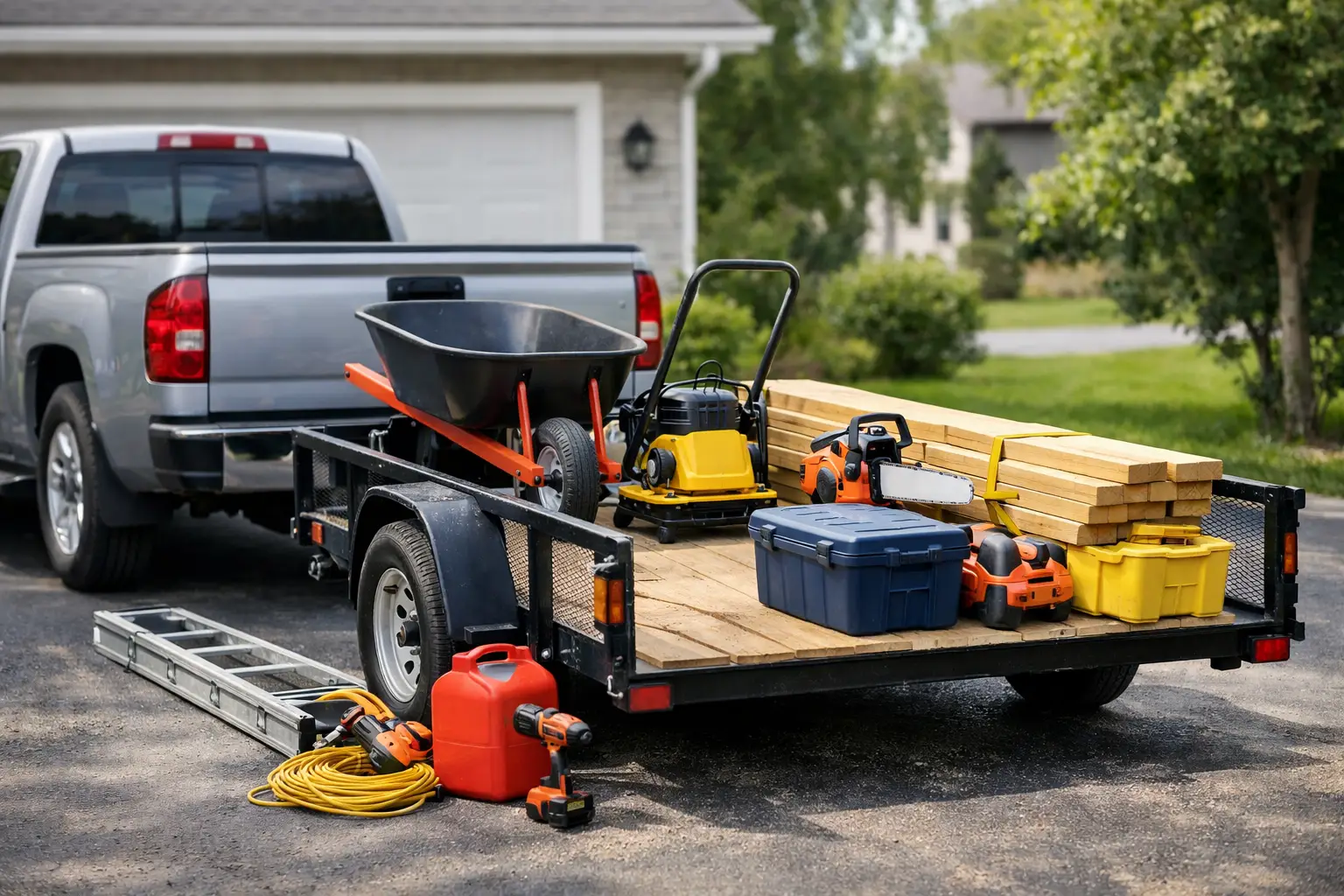

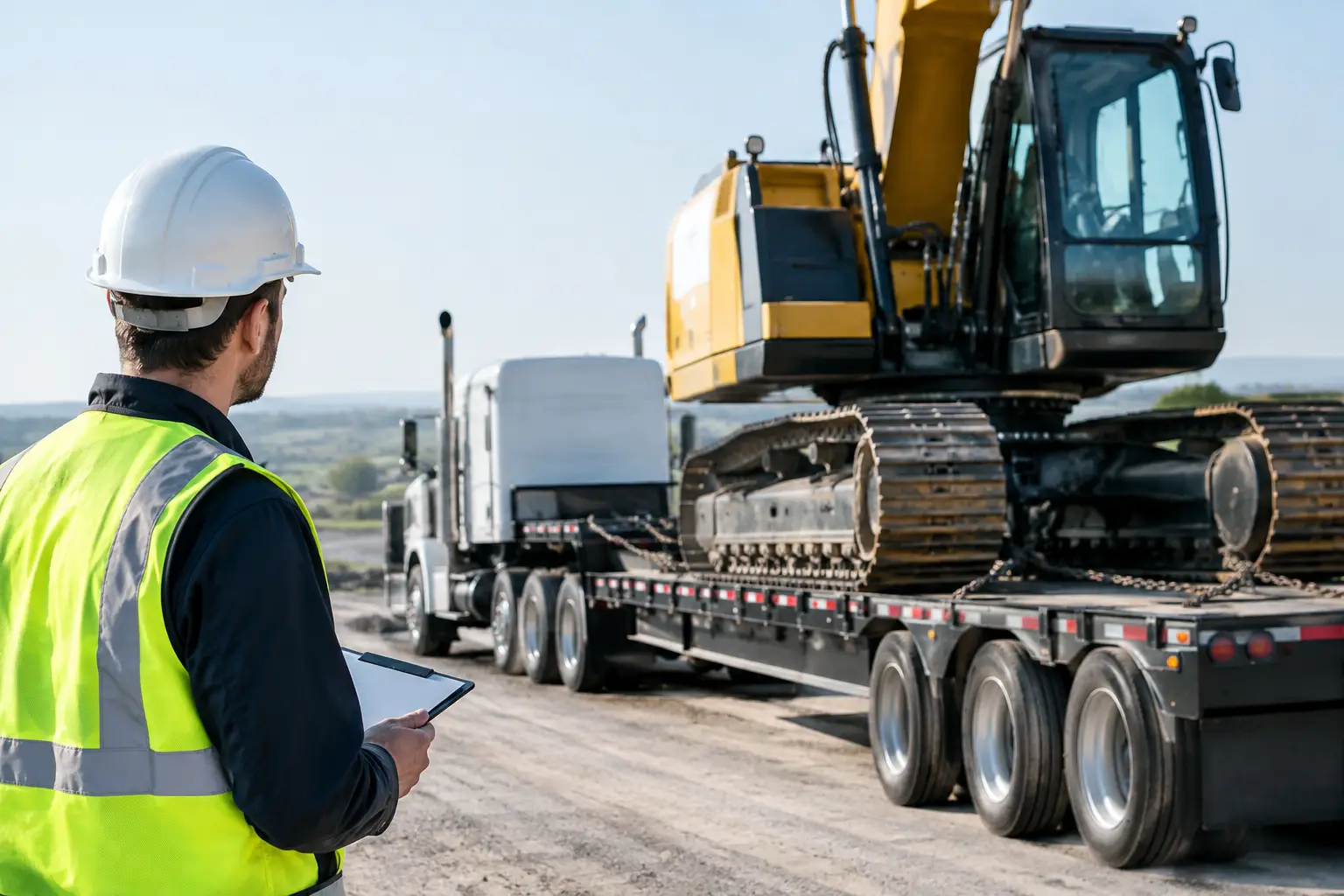
A skid steer sitting at the wrong jobsite can cost more than a rental day. It can leave a crew waiting, push back material deliveries, and turn a simple equipment move into a long afternoon. This contractor equipment delivery case study follows a representative Verde Valley job where proper trailer planning kept a tight schedule from slipping.
The details are based on the kind of hauling needs local contractors regularly face: moving compact equipment between jobs, working around uneven access, and getting the right trailer without paying for more capacity than the job requires.
The Job: Move Equipment Without Losing a Workday
A small excavation contractor had wrapped up site prep near Cottonwood and needed to move compact equipment to a residential project outside Camp Verde the next morning. The next job involved grading, trenching, and material handling before other trades arrived. Missing the morning start would put the whole sequence behind.
The contractor owned a properly equipped pickup but did not keep a trailer in the yard. Buying and maintaining a heavy trailer for occasional moves did not make financial sense. The immediate need was straightforward: secure a dependable rental trailer, load safely, make the trip, unload at the new site, and return the trailer without a complicated handoff.
There were a few limits that made the choice worth thinking through. The equipment weight had to fit within the trailer’s capacity after attachments and fuel were considered. The pickup’s towing and payload ratings mattered too. The destination had a gravel approach with limited room to turn around, so a trailer that was oversized for the task could create its own problem.
Why Trailer Choice Decided the Day
Equipment delivery is not just about finding a trailer with a deck. Capacity, loading angle, deck space, tie-down points, and the condition of ramps all affect whether the move goes smoothly.
For this job, the contractor first confirmed the operating weight of the machine and its attachments. That number was compared against the trailer’s rated capacity, not guessed from the machine’s size. A compact machine can become a much heavier load once a bucket, forks, extra fuel, and job gear are added.
The trailer also had to be a good match for the tow vehicle. A trailer may have enough capacity for the equipment while still creating a poor setup if the truck cannot safely handle the combined weight or tongue weight. When in doubt, the equipment manual, trailer rating, and truck manufacturer’s tow information should settle the question before pickup day.
A car hauler-style trailer was the practical fit for this particular move. Its open deck gave the operator room to position the equipment, and its ramps allowed for controlled loading. A different job might call for an equipment trailer with a higher capacity, an enclosed trailer for protected tools, or multiple trips. The right answer depends on the load, the vehicle, and the access at both ends.
The Cost of Choosing by Price Alone
The cheapest trailer is not always the lowest-cost option. A trailer with inadequate capacity, worn ramps, limited tie-down locations, or poor communication from the rental provider can add risk and waste time. A missed delivery window costs labor. An unsafe load can cost far more.
The contractor’s goal was not to rent the biggest trailer available. It was to rent equipment that fit the job, was ready when promised, and could be returned without losing another half day. That is where a local rental option can make a real difference.
The Delivery Plan
The move was scheduled around the actual work sequence, not just trailer availability. The contractor arranged pickup the evening before, allowing time to inspect the trailer and load without rushing at sunrise. Contactless pickup and dropoff helped keep the process moving while still allowing direct support by phone if a question came up.
Before loading, the contractor completed four basic checks:
- Confirmed the truck, hitch, ball size, safety chains, electrical connection, and brake controller were compatible.
- Checked tire condition and pressure on both the truck and trailer, then tested lights and trailer brakes.
- Reviewed the machine weight, attachment weight, trailer capacity, and the route to the next jobsite.
- Made sure rated chains or straps, binders, and any required load-securing equipment were available before the machine approached the ramps.
These are not glamorous steps, but they prevent the usual trouble: a light that does not work after dark, a connector that does not match, a machine that is too heavy, or tie-down gear that turns out to be damaged or missing.
Loading and Securing the Equipment
Loading was done on level ground with the trailer connected to the truck. That matters. Loading an unhitched trailer can cause it to shift or lift unexpectedly as weight moves up the ramps.
The operator drove the equipment slowly onto the deck and positioned it to create proper tongue weight. Too much weight behind the trailer axles can contribute to sway. Too much weight forward can overload the truck’s rear axle or hitch. Exact placement varies by machine and trailer, so there is no one painted line that works for every haul.
Once positioned, the equipment was secured at designated tie-down points with properly rated equipment. The operator checked that the chains or straps were tight, clear of sharp edges where possible, and not relying on a bucket, control lever, or another moving component to hold the load in place. Attachments were lowered and secured as needed.
A short stop after the first few miles gave the crew a chance to recheck the load. That small pause is especially useful on local roads where grades, curves, and rough pavement can settle a load differently than expected. It is quicker to tighten a chain in a safe pullout than to discover slack after a problem develops.
What Kept the Job on Schedule
The delivery itself was uneventful, which is the point. The equipment arrived before the crew’s start time, the operator had room to unload on the gravel approach, and work began as planned.
Three decisions made the difference. First, the contractor booked a trailer that matched the equipment rather than making do with a questionable option. Second, pickup happened before the deadline, leaving room for a careful inspection and load. Third, the contractor planned for the destination conditions instead of assuming the jobsite would be easy to access.
The rental cost stayed predictable because the contractor rented only for the time needed. There was no trailer payment, storage issue, registration expense, or maintenance work waiting back at the shop. For a business that moves equipment occasionally or has more jobs than trailers, renting can be a practical way to keep overhead under control.
Lessons for the Next Equipment Move
A contractor equipment delivery case study is useful because the same pressure shows up on jobs of every size. A landscaper may need to move a mini skid steer. A concrete crew may need to haul a compact loader. A homeowner may need to transport a rented machine for a weekend drainage project. The load changes, but the planning does not.
Start with accurate weights and tow ratings. Then consider the full trip: loading surface, route, parking, turnaround space, unloading area, and return timing. If a route includes steep grades or a tight residential drive, it may be smarter to choose a different trailer, schedule more time, or arrange an alternate unload point.
It also pays to book early when a job has a fixed start date. Waiting until the last minute narrows the available choices and can force a compromise on trailer size or pickup time. A quick conversation with a local provider can help first-time renters sort out what questions to ask before they arrive.
For contractors serving Clarkdale, Cottonwood, Sedona, and the surrounding Verde Valley, Monsoon Trailer Rental offers practical trailer and car hauler rentals backed by responsive local service. The goal is simple: get equipment that is ready to work, at a fair rate, with a team that actually picks up the phone.
The best equipment delivery is the one nobody has to talk about afterward. Plan the load, choose the right trailer, secure it correctly, and leave enough time to do the job without rushing.