

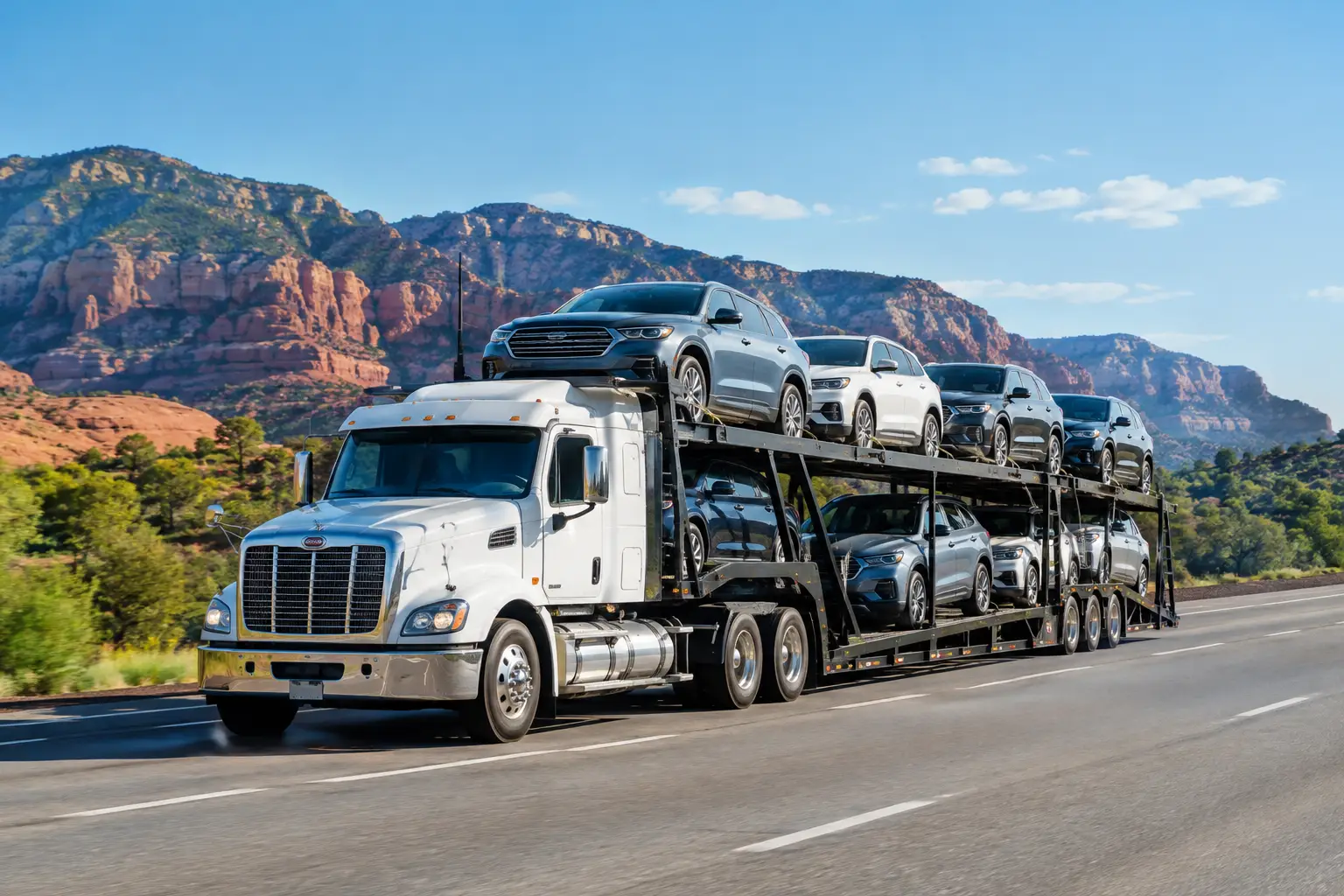
A vehicle that will not start, a project car headed home, or a truck that needs to reach the shop can turn into a long day fast. Car haulers make those moves practical, but only when the trailer, tow vehicle, and load all match up. The goal is not simply getting the vehicle onto a trailer. The goal is getting it there securely, legally, and without putting extra strain on your truck or SUV.
For Verde Valley drivers, that also means planning for real conditions: summer heat, grades, tight turns, and miles between towns. A little preparation before pickup saves a lot of trouble on the road.
What Car Haulers Are Built to Do
A car hauler is a flat trailer designed to carry cars, trucks, SUVs, and other wheeled vehicles. Most have a full deck, loading ramps, attachment points for tie-downs, and fenders positioned to give the loaded vehicle enough room. They are a better fit than a general utility trailer when you need to move a vehicle safely and keep all four tires supported.
The most common choices are open car haulers and enclosed trailers. An open trailer is usually the practical choice for a one-time vehicle move. It is easier to load, typically weighs less than an enclosed trailer, and gives you clear sightlines while securing the vehicle. It also keeps the rental cost down.
An enclosed trailer protects a vehicle from weather, road debris, and curious eyes. That protection comes with more weight, more wind resistance, and a greater demand on the tow vehicle. If you are moving a valuable classic vehicle or traveling a long distance, it may be worth considering. For a local move of a daily driver, an open car hauler often makes more sense.
Not every vehicle belongs on every trailer. Low-slung cars can scrape on standard ramps. Wide trucks may need extra clearance around the tires and fenders. A non-running vehicle requires a winch or another safe plan to get it loaded. Those details matter more than simply knowing the vehicle is “a car.”
Choosing the Right Car Hauler Rental
Start with the vehicle’s actual curb weight, not a guess. You can usually find it on the driver’s door sticker, in the owner’s manual, or through the manufacturer. Then account for anything added to the vehicle, such as tools, cargo, aftermarket bumpers, or equipment in the bed of a truck.
Next, check the trailer’s payload capacity. Payload is the amount it can carry after the trailer’s own empty weight is factored in. A trailer may look large enough for your pickup while still not have enough legal carrying capacity for it. Never assume size equals capacity.
Your tow vehicle matters just as much. Its tow rating must cover the loaded trailer, and its hitch, ball mount, wiring connector, and brake controller need to be properly matched. A vehicle rated to tow the trailer on paper may still be a poor choice if the hitch setup is wrong or the brakes are not working correctly.
Ask a few direct questions before booking: What is the trailer’s payload capacity? What ball size does it use? Does it have trailer brakes? Are tie-down straps included, or do you need to bring approved vehicle straps? If you are unsure whether your vehicle will fit, provide its year, make, model, approximate weight, and whether it runs. A local rental team can help you avoid booking the wrong equipment.
Do Not Skip the Weight Check
The vehicle should be loaded so that roughly 10 to 15 percent of the total loaded trailer weight rests on the hitch. This is called tongue weight. Too little tongue weight can cause dangerous trailer sway. Too much can overload the rear of the tow vehicle, reduce steering control, and make braking less stable.
In plain terms, the vehicle usually needs to sit slightly forward of the trailer axles, not centered over them and not too far back. The exact placement depends on the trailer and vehicle, so use the trailer’s instructions and make small adjustments when needed.
Load the Vehicle With a Plan
Before loading, park on firm, level ground with enough room to pull straight onto the trailer. Keep people away from the ramps and the path of the vehicle. Inspect the ramps, deck, tires, hitch coupler, safety chains, lights, and tie-down points before you begin.
If the vehicle runs, drive it up slowly and keep the wheels straight. Avoid sudden throttle, braking, or steering input. If it does not run, use a properly rated winch and follow safe winching procedures. Do not try to push a heavy vehicle onto a trailer with a few friends. That is how people get hurt and vehicles roll away.
Once positioned, place the vehicle in park or in gear, set the parking brake, and secure it with proper tire straps or axle straps. Tire straps are often preferred because they hold the vehicle by the tires while allowing its suspension to move naturally over bumps. Do not hook a strap to a weak suspension component, steering linkage, or an unknown point under the vehicle.
Use four secure tie-down points whenever the trailer setup calls for them. Cross-check that each strap is tight, protected from sharp edges, and locked so it cannot loosen. Then walk around the trailer. Ramps must be stowed and secured. The coupler should be locked onto the correct ball, safety chains crossed beneath the tongue, breakaway cable connected if equipped, and electrical plug fully seated.
Check every light before leaving: brake lights, turn signals, running lights, and hazard lights. If something is not working, fix it before you get on the road.
Drive Differently With a Loaded Trailer
A loaded car hauler changes how your tow vehicle accelerates, turns, stops, and handles crosswinds. Give yourself more following distance, brake earlier, and make wider turns. Watch your mirrors constantly, especially after merging, changing lanes, or turning through an intersection.
Speed is not your friend when towing. Higher speed increases sway risk, makes potholes hit harder, and lengthens stopping distance. Stay at a sensible speed for the road, trailer, weather, and load. On Arizona grades, shift down as needed to control speed instead of riding the brakes downhill.
After the first few miles, pull into a safe spot and recheck everything. Straps can settle as the vehicle suspension moves, and a quick adjustment early on is far better than finding a loose strap later. For longer drives, inspect the load again at fuel stops.
If the trailer begins to sway, do not jerk the steering wheel or slam on the tow vehicle brakes. Keep the wheel steady, ease off the accelerator, and allow the rig to slow down in a straight line. Trailer brakes, when properly set up, can help settle sway, but the best fix is correct loading before the trip begins.
When Renting Beats Owning
Owning a trailer works for people who haul regularly and have room to store and maintain it. For occasional vehicle moves, renting is often the simpler choice. You avoid storage, registration, tire maintenance, bearing service, and the cost of buying equipment that may sit unused most of the year.
A rental also lets you choose equipment for the job in front of you. Moving a compact car, a full-size pickup, or a non-running project vehicle can require different trailer features. That flexibility is useful for homeowners, contractors, and anyone handling a one-time move.
When you rent, be honest about the vehicle and the trip. Mention low ground clearance, inoperable brakes, oversized tires, or a planned route with steep grades. The right information helps the rental provider point you toward a safer setup instead of leaving you to figure it out in the parking lot.
For dependable local equipment and straightforward help, Monsoon Trailer Rental can help Verde Valley customers choose a car hauler that fits the move, not just the first trailer available. A few minutes spent matching the equipment to the job gives you a safer trip and a much easier finish when the vehicle reaches its destination.

