
A trailer rental value review should start with the job, not the advertised daily rate. A $10 difference means very little if the trailer is the wrong size, the pickup process burns half your morning, or you are left guessing about tie-downs and towing. For homeowners, contractors, and vehicle owners around the Verde Valley, real value is getting dependable equipment that helps the haul go right the first time.
A trailer rental is usually a short-term decision made because something has to move now: a project load, landscaping materials, a vehicle, tools, furniture, or equipment. That urgency can make the cheapest posted price look like the obvious choice. Fair value is more practical than that. It is the full cost, the time saved, the condition of the trailer, and whether you can reach someone when a question comes up.
What trailer rental value really looks like
The best rental is not automatically the lowest-priced rental. It is the one that fits your load, your tow vehicle, and your schedule without adding avoidable problems. A well-maintained utility trailer that is ready when promised can be a better deal than a bargain trailer with worn hardware, confusing instructions, or a long wait at pickup.
Start by looking at the total rental cost. Ask what the quoted rate includes and what may affect the final bill. Rental periods, late returns, cleaning expectations, damage responsibility, required identification, and applicable taxes are all worth understanding before you book. Clear answers are part of the value. Nobody wants to finish a hard day of hauling and find out the price was not what they expected.
Time matters too. If you only need a trailer for an afternoon, a simple booking process and convenient pickup can be worth more than chasing a slightly lower rate across town. Contactless pickup and dropoff can be especially useful when you are working around a jobsite schedule, a closing date, or a weekend project. The goal is to spend your time loading and hauling, not standing around waiting for paperwork.
Trailer Rental Value Review: Match the trailer to the job
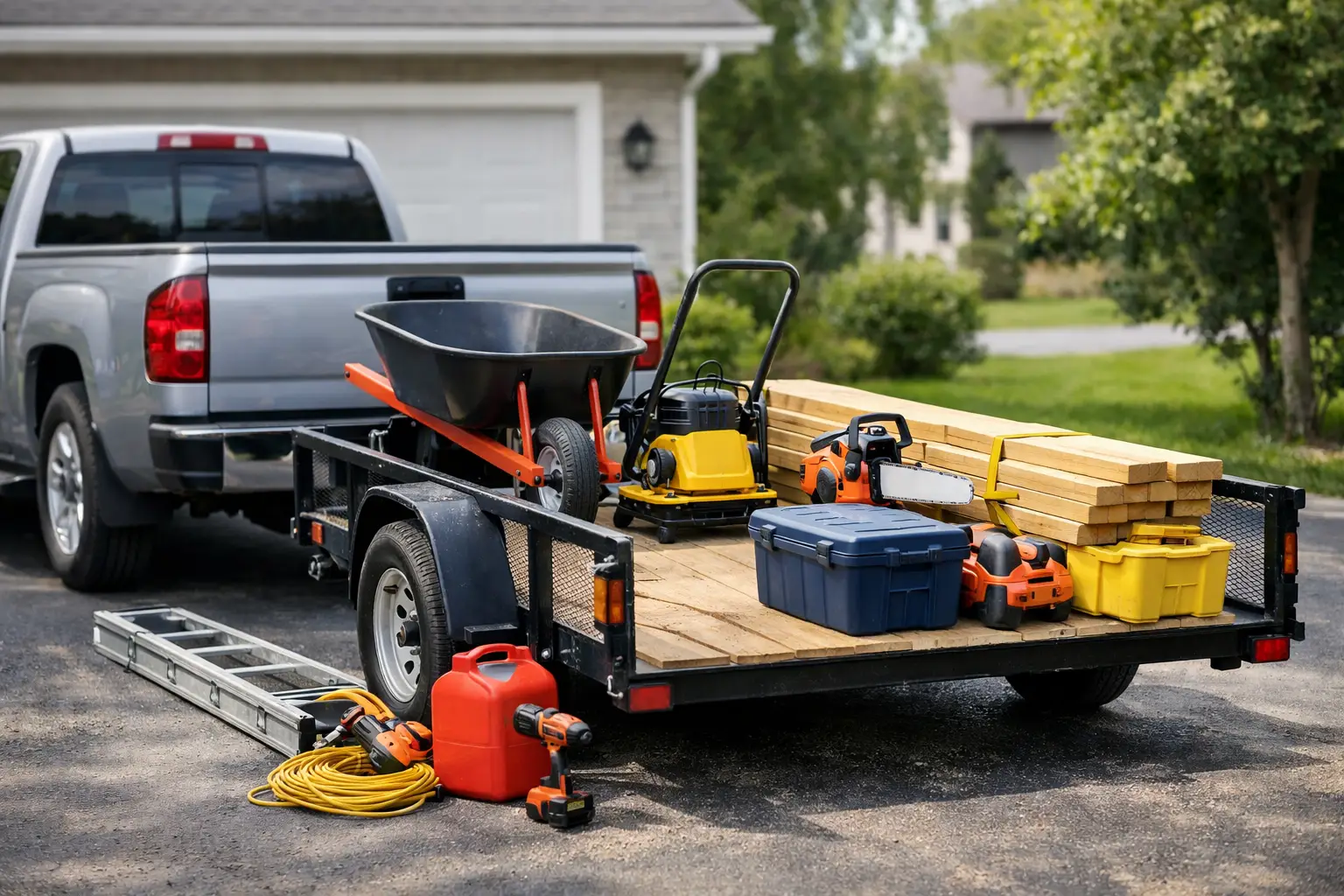
Most expensive rental mistakes begin with choosing by price alone. The right trailer depends on what you are hauling, how much it weighs, how it needs to be secured, and what your vehicle can safely tow. A small open trailer may be perfect for dump runs, yard debris, and light equipment. A car hauler is built for a different job and needs proper loading, securement, and enough towing capacity from the vehicle pulling it.
Before reserving, have a straight answer for a few basics: what is the load, what are its approximate dimensions and weight, and what vehicle will tow the trailer? Also consider whether the load needs ramps, whether it sits low to the ground, and how many tie-down points you will need. These details keep you from renting too small, too light-duty, or simply not suited for the task.
Weight deserves more attention than most first-time renters give it. Your vehicle’s towing capacity, hitch rating, payload, trailer weight, and cargo weight all work together. A trailer that looks large enough may not be the right choice if the combined weight is beyond what your vehicle can handle. Loading too much toward the back can also cause sway, while an unbalanced load can make even a short trip stressful.
If you are uncertain, ask before booking. A local rental provider should be able to talk through the job in plain language instead of pushing you toward equipment you do not need. That conversation can save money, prevent a wasted trip, and make the difference between a smooth haul and a long day on the shoulder of the road.
Dependability has a real dollar value
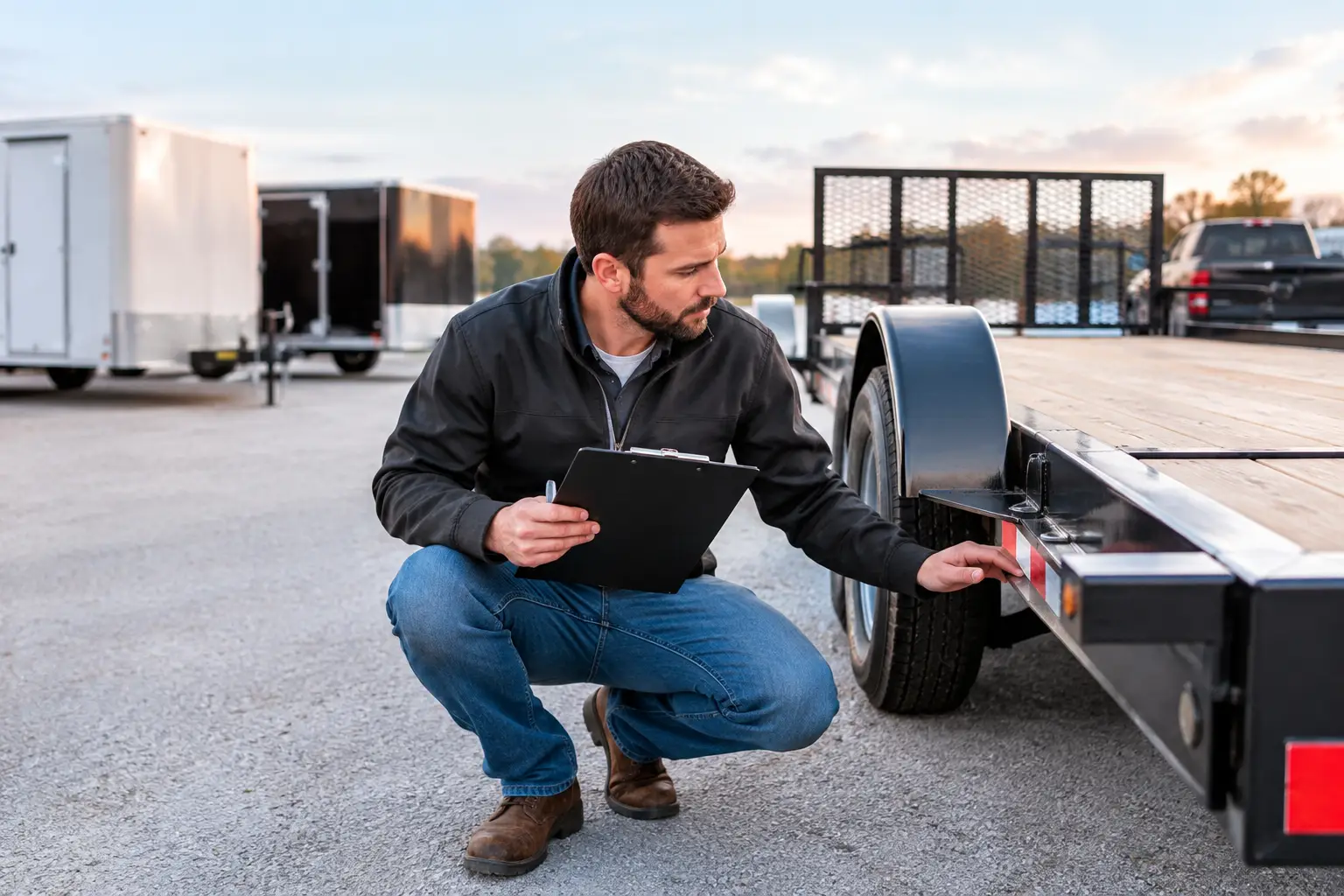
A trailer is only valuable when it is ready to work. Check the basics at pickup: tires, lights, coupler, safety chains, ramps, deck condition, and tie-down points. This is not about turning renters into mechanics. It is about taking a few minutes to confirm that the equipment matches what you reserved and that you understand how it connects to your tow vehicle.
Do a quick walk-around before leaving. Make sure the lights work with your vehicle, the hitch is properly seated and locked, and the safety chains are connected correctly. If you are hauling a vehicle or equipment, confirm the ramps and securement plan before loading. Bring appropriately rated straps or chains for the load, and never assume a rope or light-duty ratchet strap is enough.
A dependable provider also makes questions easier to solve. Large rental counters can be fine when everything is routine, but a local business has an advantage when you need a real person to answer the phone. That matters when you are trying to confirm fit, ask about pickup timing, or sort out a concern before you hit the road.
At Monsoon Trailer Rental, the focus is straightforward: provide dependable trailer rentals, competitive pricing, and direct help for customers who need to get a real job done. That is the kind of service that belongs in any honest value calculation.
Compare convenience without overlooking safety
Convenience should make the job easier, not encourage shortcuts. A fast booking process is useful, but it should still give you time to review rental terms, confirm your tow setup, and inspect the trailer. Contactless pickup is a good option for early starts and busy schedules, as long as you know where the trailer is, how to complete the handoff, and who to contact if something does not look right.
Plan the route before loading. Roads around Clarkdale, Cottonwood, Sedona, Jerome, and the surrounding area can include grades, curves, traffic, and changing weather. A loaded trailer needs more following distance, more room to turn, and a little more patience on hills. Avoid overloading, keep your speed reasonable, and check the load again after the first few miles. Straps can settle once the trailer starts moving.
For a one-way move, compare the full logistics. A lower rental rate may not be a savings if it requires a long return trip, extra fuel, or a schedule that forces you to keep the trailer another day. For a local project, nearby pickup, responsive support, and a clean return process may be the better value even if another option appears cheaper at first glance.
When paying a little more is worth it
There are times when the lowest rate is the right call, especially for a light, simple load and a short, familiar route. But paying a little more can make sense when the job involves a vehicle, expensive equipment, a tight deadline, or a heavy load. In those situations, trailer condition, proper fit, clear rental terms, and accessible support carry more weight than a small difference in the base price.
Think about the cost of a bad fit. A second rental, a delayed project, damaged cargo, or an unsafe tow can erase any savings quickly. Value is not about buying the most service possible. It is about paying for what the job actually requires and avoiding the extras that come from poor planning.
For repeat users, consistency is valuable as well. Contractors and landscapers often need to know that the equipment will be ready, the process will be familiar, and the provider will answer when they call. Homeowners benefit from the same thing when a weekend project cannot spill into another week.
A fair rental should leave you ready to haul
The right trailer rental should feel simple once you are hooked up: the equipment fits the job, the price is clear, and you know how to use it safely. Ask direct questions, choose based on the load instead of the headline rate, and give yourself enough time for a proper inspection. A fair deal is one that gets your cargo where it needs to go without soaking you in surprises.