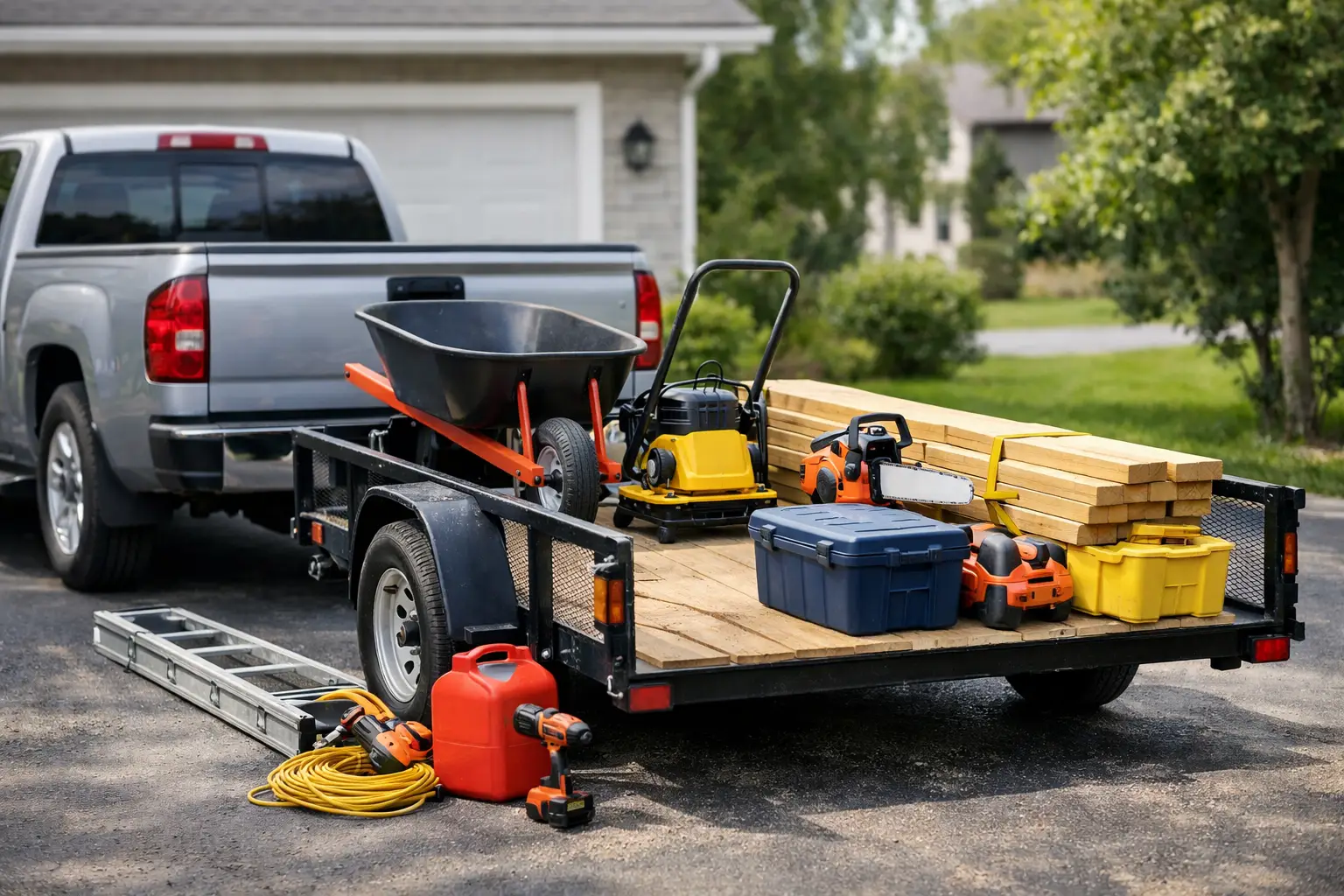

That stack of pavers, the compact tractor, the side-by-side, the project car – most hauling problems start the same way: the load looks fine until the trailer starts to squat, sway, or fight the tow vehicle. A good guide to trailer weight limits helps you avoid that kind of mistake before you leave the driveway.
If you rent or tow a trailer only once in a while, the numbers can get confusing fast. GVWR, payload, curb weight, tongue weight, tow rating – it all sounds more complicated than it needs to be. The truth is simpler. You need to know what the trailer can carry, what your vehicle can pull, and how to load the weight so the whole setup stays stable.
Why trailer weight limits matter
Weight limits are not just legal fine print. They affect braking distance, steering control, tire heat, axle stress, hitch performance, and trailer sway. Even if the trailer moves down the road, that does not mean the setup is safe.
In real-world hauling, being overloaded usually shows up in a few obvious ways. The trailer may sit nose-high or tail-heavy. The tow vehicle may sag in the rear. Braking feels longer and softer. On hills or curves, the trailer can start pushing the vehicle instead of following it. In windy stretches or on rough Arizona roads, small problems get bigger fast.
Staying within the limits protects your cargo, your equipment, and everyone else on the road. It also saves you from the kind of wear and tear that turns a quick haul into an expensive repair.
The guide to trailer weight limits: the numbers that matter
The fastest way to make sense of towing is to focus on a few core numbers.
GVWR
GVWR stands for Gross Vehicle Weight Rating. On a trailer, that means the maximum allowed weight of the trailer plus everything loaded on it. If a trailer has a 7,000-pound GVWR, that total includes the trailer itself and the cargo on it.
Empty weight
This is what the trailer weighs before you load anything onto it. Some people call it curb weight or tare weight, depending on the equipment. The empty weight matters because it tells you how much real payload you have left.
Payload capacity
Payload is the amount of cargo the trailer can safely carry. You get it by subtracting the empty trailer weight from the GVWR. So if the trailer weighs 2,000 pounds empty and has a GVWR of 7,000 pounds, the payload capacity is 5,000 pounds.
GAWR
GAWR means Gross Axle Weight Rating. That is the maximum weight each axle is rated to carry. This matters because even if your total trailer weight is under the GVWR, poor loading can overload one axle or one side.
Tongue weight
Tongue weight is the downward force the trailer puts on the hitch ball. For most bumper-pull trailers, you usually want about 10 to 15 percent of the loaded trailer weight on the tongue. Too little tongue weight often leads to sway. Too much can overload the rear of the tow vehicle and lighten the steering on the front tires.
Tow rating
Your truck, SUV, or van also has a limit. The manufacturer sets a maximum trailer weight the vehicle can tow. That number assumes the vehicle is in proper condition and that the hitch, tires, brakes, and load are set up correctly. If your bed or cabin is packed with people, tools, or materials, your real towing capacity may be lower.
How to figure out what you can haul
This is where a lot of people make the wrong call. They look at the trailer’s size and assume it will handle the load. Length is not the same as capacity.
Start with the trailer’s GVWR and empty weight. That gives you payload. Then check the weight of what you plan to haul, including fuel, attachments, spare parts, straps, pallets, or anything else riding on the trailer.
If you are hauling a vehicle, do not guess from the model name alone. Trim level, engine size, aftermarket bumpers, toolboxes, and cargo all change the number. If you are hauling landscaping material, remember that gravel, wet dirt, and green firewood can weigh far more than they look.
Then compare that loaded trailer weight against your tow vehicle’s rating. If either the trailer or the tow vehicle is the weak link, that lower number is your real limit.
Where people get into trouble
Most towing problems come from one of three mistakes: underestimating cargo weight, overestimating the tow vehicle, or loading the trailer badly.
Material loads are especially easy to underestimate. A small pile of concrete chunks or a scoop too much of base rock can push a trailer past its rating in a hurry. Equipment loads can be trickier because the base machine may fit on paper, but the bucket, mower deck, or attachment changes the real number.
The other common issue is assuming a half-ton truck can handle anything that physically fits behind it. Sometimes it can. Sometimes it cannot. Engine power is only part of the picture. Suspension, brakes, hitch rating, wheelbase, tire rating, and total passenger and cargo weight all matter.
Poor load placement causes a different kind of problem. If too much weight sits behind the axle, the trailer can fishtail. If too much sits too far forward, the hitch and rear suspension take a beating. Safe towing depends on balance, not just total weight.
Loading a trailer the right way
A properly loaded trailer should track straight and feel planted behind the tow vehicle. That usually means placing the heaviest part of the load low and centered over or slightly forward of the axles, depending on the trailer type and cargo.
Securement matters just as much as placement. A load that shifts in transit changes tongue weight and axle load instantly. That is how a setup that felt fine at 20 mph can get ugly at 55. Use the right tie-down points and enough straps or chains for the job.
Tire pressure is part of the equation too. Underinflated trailer tires run hotter under load and are more likely to fail. Before towing, check trailer tires, tow vehicle tires, lug nuts, lights, coupler latch, safety chains, and brake connections if the trailer has electric brakes.
Guide to trailer weight limits for common jobs
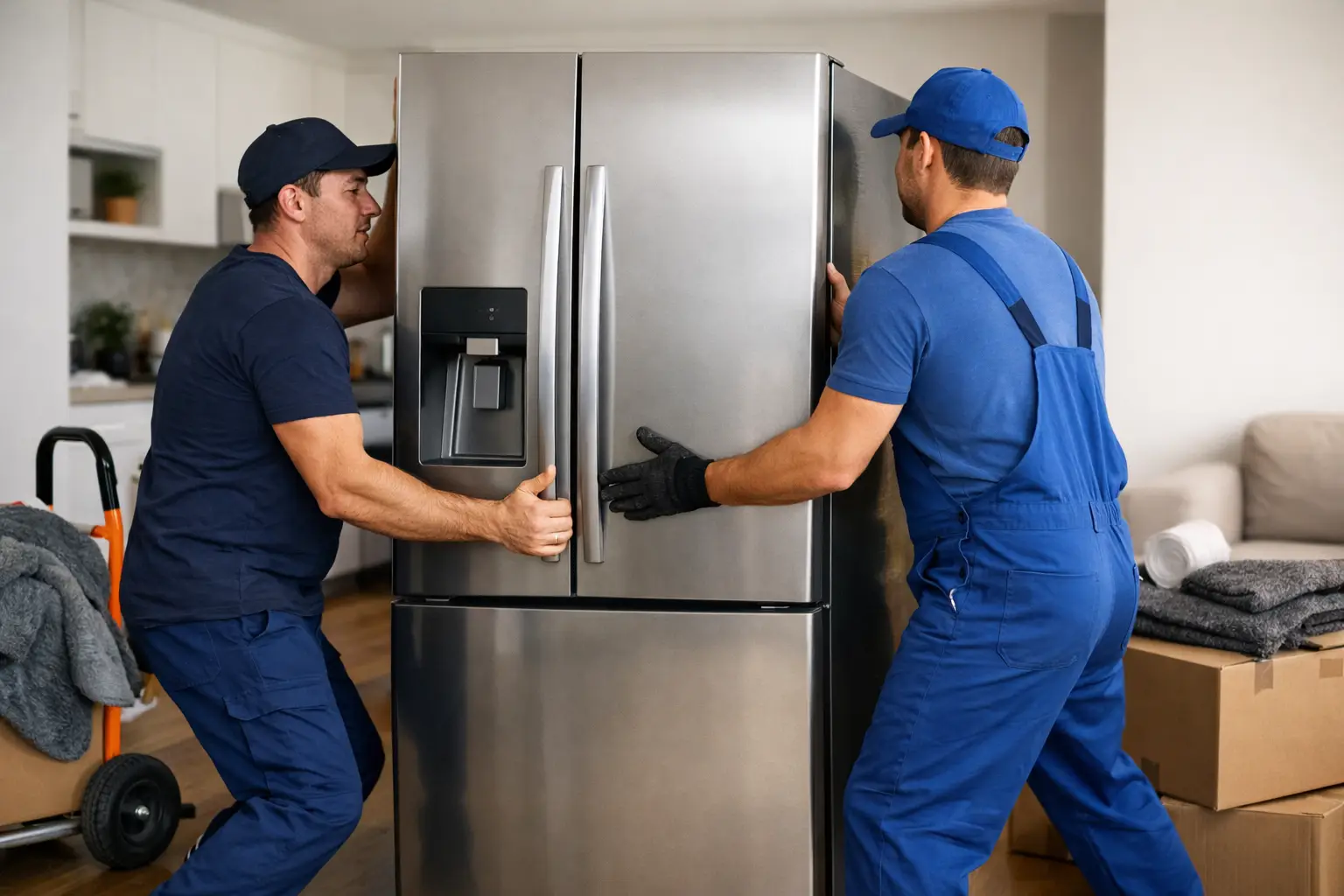
For basic household hauling, like appliances, brush, furniture, or small renovation debris, many people are well within the trailer’s limits but still need to watch balance. A light but bulky load can be awkward if it catches wind or sits too high.
For heavier jobs like hauling gravel, dirt, pavers, or concrete debris, weight becomes the main concern fast. These are the loads where overloading happens most often because the trailer still looks only half full.
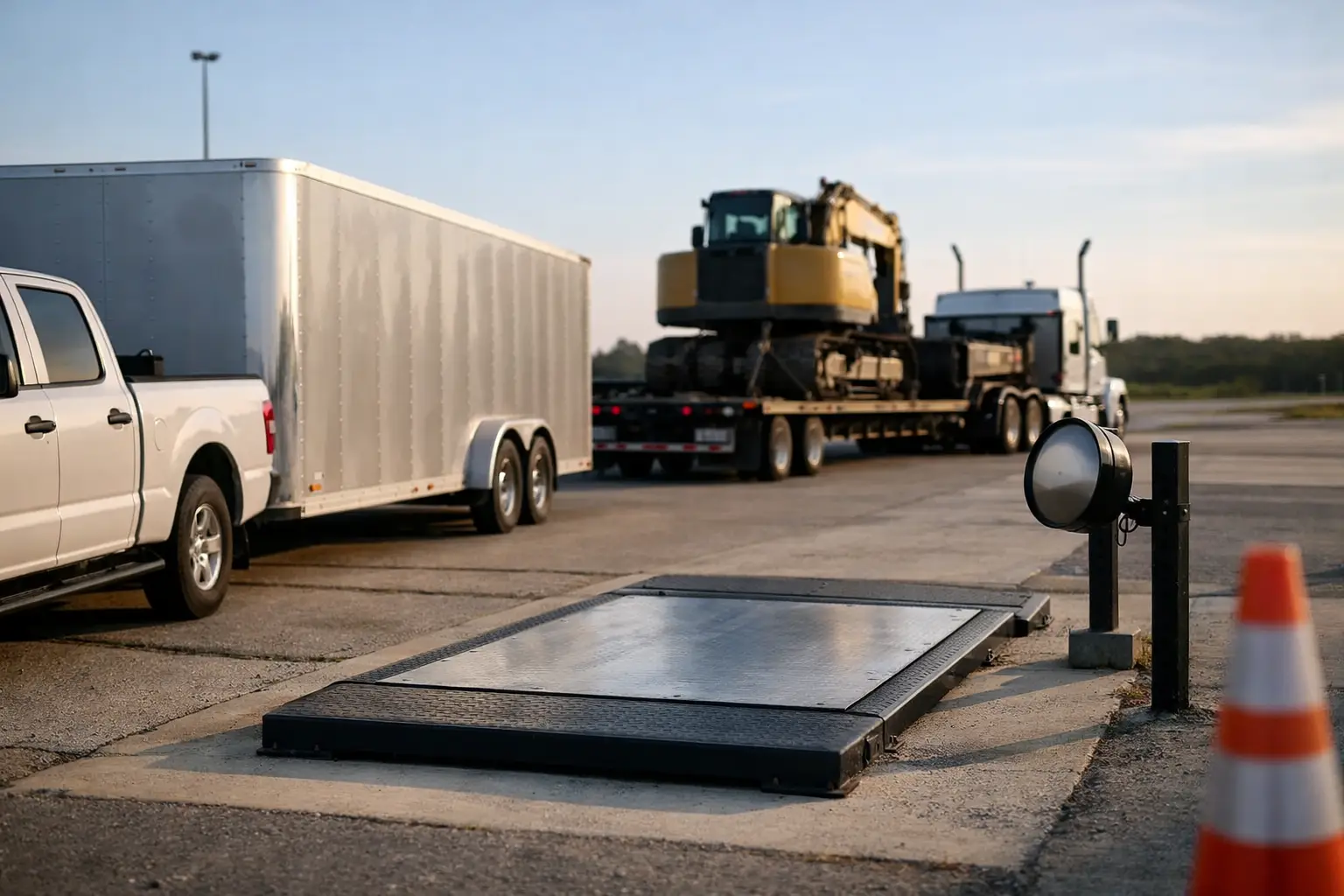
For equipment like skid steers, mini excavators, UTVs, or compact tractors, you need exact machine weight, attachment weight, and a trailer with enough payload and deck space. A machine that technically fits can still be unsafe if the axles or tongue weight are wrong.
For car haulers, the vehicle’s weight is only the start. Fuel, spare tires, parts, and the position of the car on the deck all affect balance. If the load is a low-clearance car, approach angle and tie-down points matter too.
When it depends
There is no one-size-fits-all rule because towing changes with the full setup. A trailer that works great behind a three-quarter-ton truck may be a bad match for a midsize SUV. A load that is safe on flat local roads may feel very different on grades, rough pavement, or longer highway runs.
Weather also matters. Wind can make a marginal setup unstable. Heat puts more stress on tires and bearings. Steeper terrain asks more from brakes and transmission. Around the Verde Valley, even a short haul can include hills, crosswinds, and uneven road surfaces, so it pays to leave yourself margin instead of towing right at the limit.
That is why experienced haulers rarely plan around the absolute maximum number. They leave room for the real world.
Renting the right trailer instead of making do
If you do not tow often, the safest move is usually to match the trailer to the job instead of trying to force one trailer to cover everything. A utility trailer may be perfect for yard cleanup and completely wrong for a compact machine. A car hauler may have the capacity you need, but if the loading angle or tie-down setup is wrong, it is still not the right fit.
This is where a local rental outfit can help. When you can talk to a real person, describe the load, and get a straight answer on trailer type and capacity, you avoid a lot of expensive guessing. That is especially useful for first-time renters, but even experienced contractors and DIYers can benefit when the job is a little outside the usual routine.
At Monsoon Trailer Rental, that kind of practical guidance is part of the value. You are not paying for extra fluff. You are getting equipment that matches real hauling work and a team that actually picks up the phone.
A simple rule to remember
If you are close enough to the limit that you are guessing, stop and verify the numbers. Check the trailer rating, check the tow vehicle rating, know the cargo weight, and load for proper tongue weight. Safe towing is not about bravado. It is about using the right setup for the job and giving yourself enough margin that the trip stays boring.
That is the kind of boring haul everybody wants.