
Saturday morning, you have a tractor to move, yard debris piling up, or a car that needs to get across town. What you do not want is a long counter line, a pile of paperwork, and a rental process that eats half your day. That is why contactless trailer rental has caught on. It gives people a faster way to book, pick up, and return a trailer while still getting the equipment they need for real work.
For a lot of customers, the appeal is simple. You want to handle the rental on your schedule, not wait around for somebody else’s. But convenience only matters if the trailer is ready, the instructions are clear, and help is available if something does not look right. That is where contactless rental can be either a real time-saver or a headache, depending on how the business runs it.
What contactless trailer rental actually means
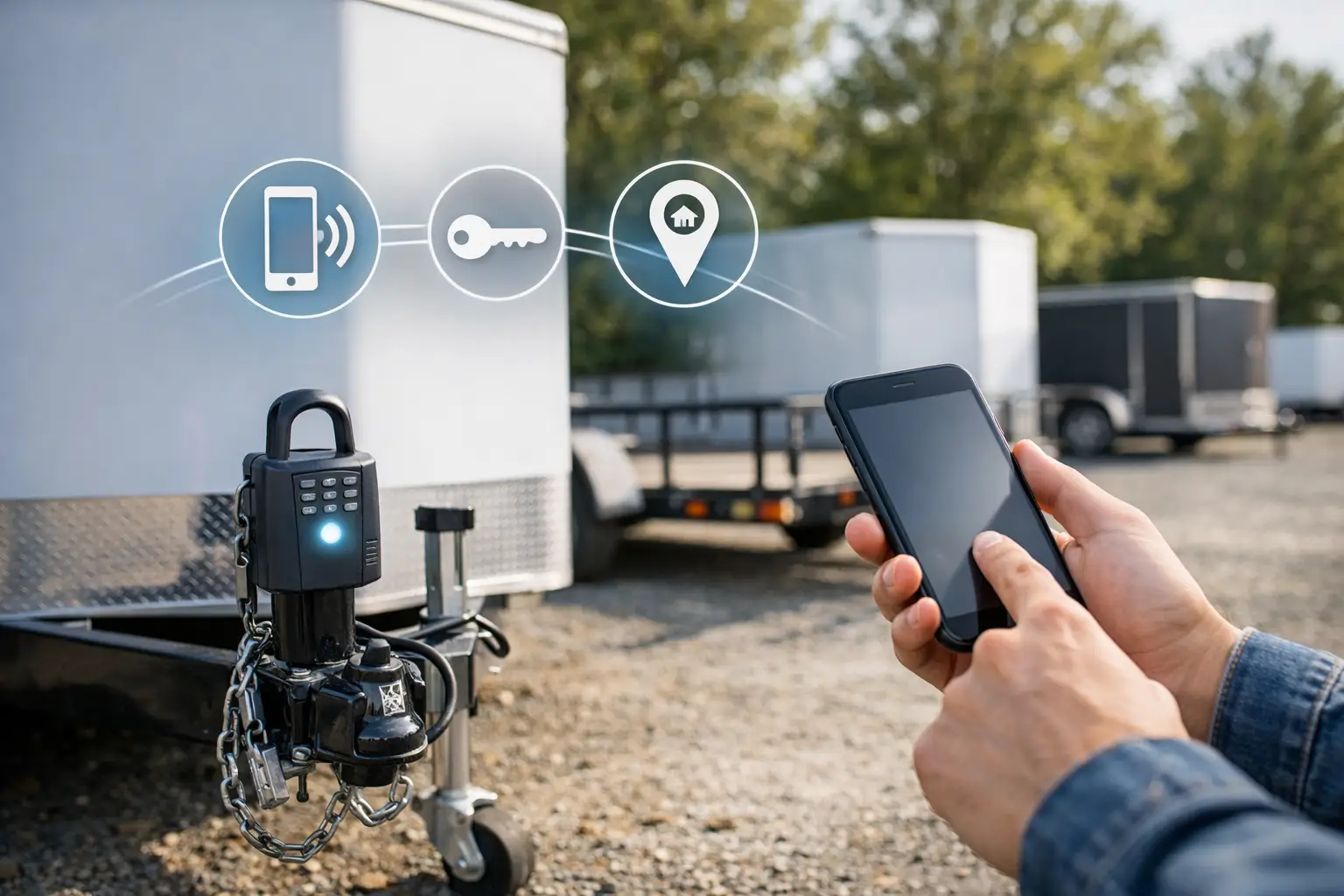
At its best, contactless trailer rental means you can reserve a trailer, verify your details, sign paperwork, and handle pickup steps without needing an in-person handoff. You may get check-in instructions by phone or message, complete your agreement online, and receive clear directions for pickup and return.
That does not mean human support disappears. It just means you are not forced into a face-to-face process for every step. For busy homeowners, contractors, and small business owners, that can make a big difference. If you are trying to haul material before the heat picks up or squeeze a job into a tight schedule, speed matters.
Why people choose contactless trailer rental
The biggest reason is time. Most renters are not looking for a complicated experience. They need a trailer, they need it to work, and they need to get moving. A contactless setup cuts down on waiting and makes it easier to book outside the old nine-to-five rhythm.
It also helps if you already know what you need. If you have rented before and understand your vehicle’s towing limits, a digital-first process feels efficient. You can lock in the trailer, handle the basics, and focus on the job.
There is another reason people like it – less friction. A lot of folks are tired of dealing with large rental operations where nobody answers the phone, pricing changes at the last minute, or you are treated like just another number. Contactless can feel easier, but only if it is backed by a business that stays reachable.
Where contactless works best
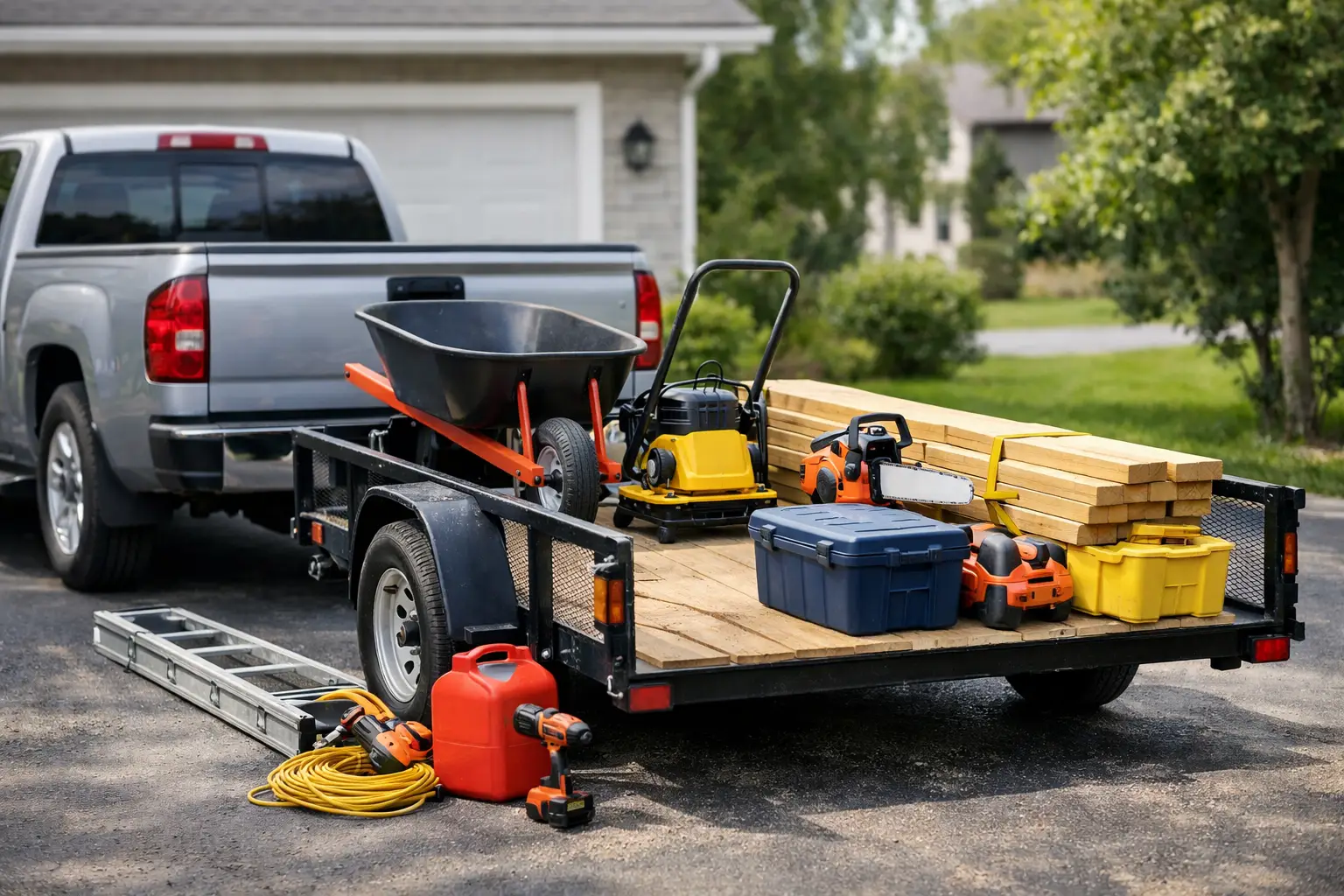
Contactless rental is especially useful for straightforward jobs. Maybe you are hauling a side-by-side, moving a car, picking up landscaping materials, or clearing out a property. In those cases, the job is clear, the trailer type is obvious, and you mostly want a fast path from booking to towing.
It also works well for repeat renters. If you already know the difference between a utility trailer and a car hauler, and you know what your hitch, lights, and brake setup require, contactless pickup can save real time.
In places like Cottonwood, Clarkdale, and the wider Verde Valley, that convenience matters because hauling jobs are often practical, local, and time-sensitive. People are moving equipment, handling cleanup, transporting vehicles, or getting supplies home. They are not looking for a drawn-out process.
Where it can fall short
This is the part some companies gloss over. Contactless is not automatically better for every customer or every job.
If you are a first-time renter, you may need help choosing the right trailer. A trailer that is too small creates obvious problems, but one that is too big can also be a bad fit if your tow vehicle is limited or you are not comfortable towing extra length and weight. That is where a real person matters.
The same goes for specialty hauling. A vehicle move, for example, is not the same as hauling mulch or furniture. Weight distribution, loading angle, tie-down points, and trailer capacity all matter. In those cases, convenience should not come at the cost of good guidance.
Then there is the issue of support. If the process is fully automated but nobody responds when you have a question about lights, coupler fit, or return instructions, that is not really convenient. It is just impersonal.
What to check before you book
A good contactless trailer rental process should still give you confidence before pickup day. Start with the basics. Make sure you know the trailer type, the load capacity, and whether your vehicle is equipped to tow it safely. If you are unsure, ask before you reserve.
Look closely at pickup and return instructions. Are they clear? Do they explain what documents or photos you may need? Do they tell you what to do if you arrive and have a problem with a light connection or hitch setup? A strong process is simple, but it is not vague.
Pricing should also be straightforward. Customers do not mind paying a fair rate for dependable equipment. What they do mind is getting soaked by high rates, hidden charges, or confusing terms. If the quote feels slippery, keep looking.
Finally, check whether support is actually available. Contactless should mean easy, not abandoned. If a company cannot answer basic rental questions before you book, that usually tells you what the rest of the experience will feel like.
The equipment still matters more than the app
People sometimes get too focused on the digital side of rental. Online booking is useful, but the most important part is still the trailer itself. It needs to be maintained, road-ready, and right for the job.
That means tires in good shape, lights that work, ramps or deck surfaces that match the load, and equipment that has clearly been cared for. A slick booking system cannot make up for worn-out gear.
This is one area where local operators often have an advantage. A business that depends on repeat customers in the area has every reason to keep equipment dependable and fix problems quickly. If your name matters in a smaller community, you do not stay in business long by sending people out with junk.
Why local support still matters in a contactless process
The best version of contactless trailer rental is not fully hands-off. It is easy to book, easy to pick up, and easy to return, with somebody available when you need help. That balance matters more than people think.
If a renter has never towed a car hauler before, they may want a quick explanation on loading and securement. If a contractor is trying to match a trailer to a skid steer or pallet load, they may need confirmation on sizing and capacity. If a homeowner shows up and realizes their wiring adapter is wrong, they need a team that actually picks up the phone.
That is what separates a useful contactless system from a frustrating one. Convenience is great, but confidence gets the job done.
A practical way to decide if contactless is right for you
If your hauling job is straightforward, your tow vehicle is properly equipped, and you know what kind of trailer you need, contactless can be a smart move. It saves time, cuts down on waiting, and lets you handle the rental around your own schedule.
If you are unsure about trailer size, load limits, or towing setup, contactless can still work, but only if the company is easy to reach and willing to help. You should not have to guess your way through a rental involving heavy equipment or vehicle transport.
For most people, the sweet spot is simple. Use the convenience of online booking and remote pickup, but choose a local rental company that still gives you real support when it counts. That way you get the speed of a modern process without the cold, hard-to-reach feel of a national chain.
Monsoon Trailer Rental fits that approach well. The goal is not to make trailer rental fancy. It is to make it easier, fairer, and more dependable for people who have real hauling to do.
If you are considering contactless trailer rental, do not just ask whether you can book online. Ask whether the trailer is right, the process is clear, and help is there if you need it. Fast is good. Fast and dependable is better.