

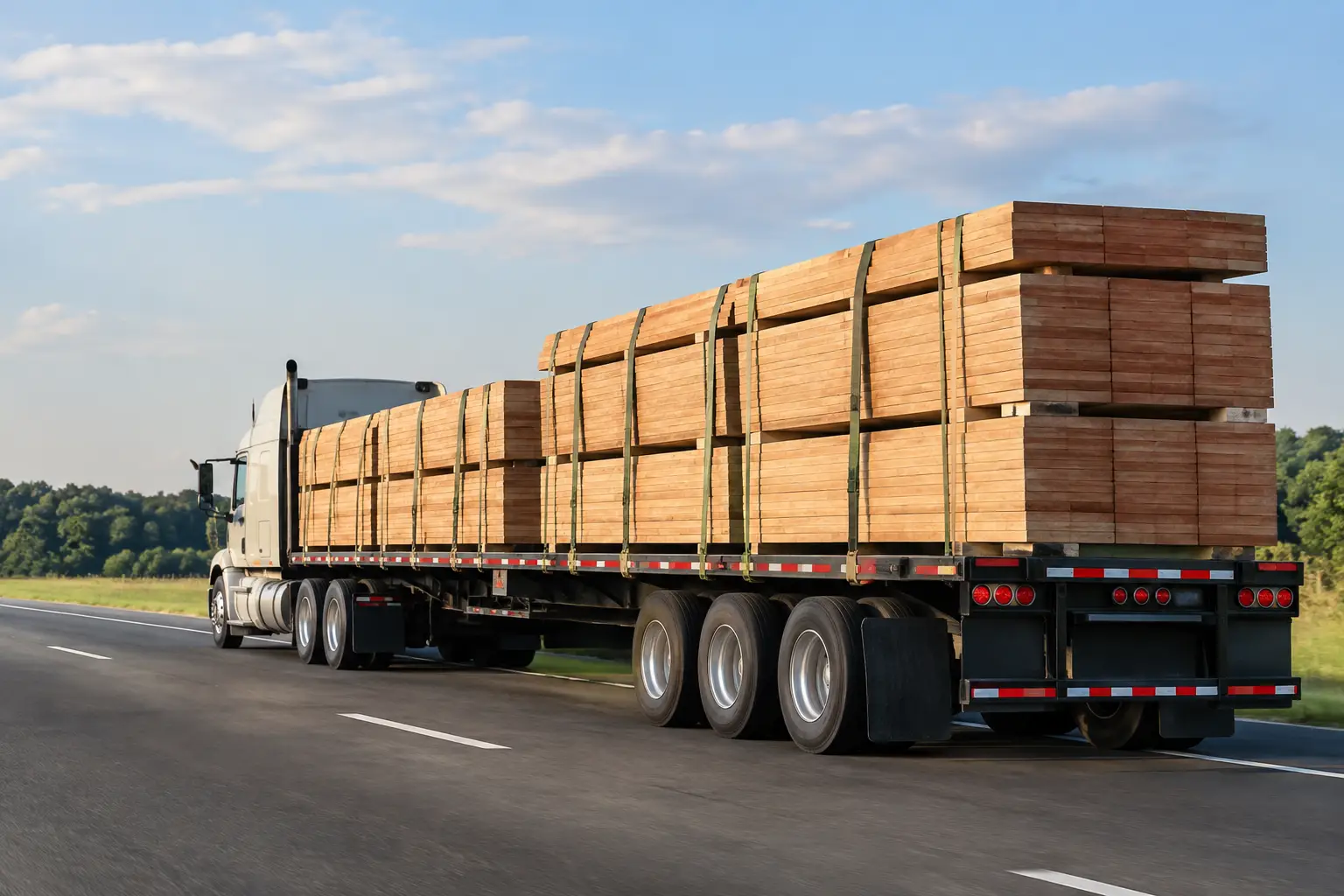
A trailer can look plenty big and still be the wrong choice for the load. That is where trailer payload meaning matters. Payload tells you how much weight the trailer can safely carry in cargo – not what the trailer itself weighs and not necessarily what your truck can pull.
For a Verde Valley weekend project, that difference can be the line between one clean trip and a stressful haul with poor braking, swaying, or damaged equipment. Whether you are moving a vehicle, taking brush to the dump, hauling a skid steer attachment, or picking up materials for a remodel, start with the real weight of what is going on the trailer.
What trailer payload means
Trailer payload is the maximum amount of cargo you can put on a trailer. The cargo may be a car, side-by-side, lumber, landscaping rock, tools, appliances, or equipment. It does not include the empty weight of the trailer itself.
The basic calculation is straightforward:
Trailer payload capacity = GVWR – empty trailer weight
GVWR means Gross Vehicle Weight Rating. It is the most the loaded trailer is designed to weigh when sitting on its own tires and coupler. Empty trailer weight, sometimes called curb weight or tare weight, is what the trailer weighs before you load it.
For example, say a car hauler has a 7,000-pound GVWR and weighs 2,000 pounds empty. Its payload is 5,000 pounds. You can load up to 5,000 pounds of vehicle, equipment, and cargo on that trailer, provided the load is properly secured and your tow vehicle is also rated for the job.
That does not mean every 5,000-pound item will be a good fit. Dimensions, axle placement, tongue weight, tire ratings, and your truck’s towing limits still matter.
Trailer payload meaning is not towing capacity
Payload capacity and towing capacity get mixed up all the time, but they answer two different questions.
Trailer payload tells you what the trailer can carry. Your tow vehicle’s towing capacity tells you how much total trailer weight the vehicle can pull. Total trailer weight includes the empty trailer plus everything loaded on it.
Using the example above, a 2,000-pound trailer carrying a 5,000-pound vehicle weighs 7,000 pounds loaded. Your truck or SUV must be rated to tow at least that amount, and that rating can change based on cab configuration, drivetrain, hitch equipment, passengers, and cargo in the tow vehicle.
You also need to watch the tow vehicle’s payload rating. Tongue weight pushes down on the hitch and counts against the payload capacity of the truck or SUV. Passengers, coolers, tools, and anything in the bed or cargo area count too. A vehicle may have enough towing capacity on paper but run short on payload once the hitch weight and people are added.
The owner’s manual and the sticker on the driver’s door jamb are good places to verify tow vehicle ratings. Do not rely only on a model name or an online estimate.
How to calculate the load before booking
The safest way to choose a trailer is to get actual weights before you reserve it. Manufacturer specifications are useful, but accessories and modifications can add up. A steel utility body, toolboxes, bigger tires, a winch, full fuel tank, or loaded bed can make a big difference.
Start with the main item you need to haul. Find its curb weight, operating weight, or shipping weight from the manufacturer when possible. Then add everything that will ride on the trailer: implements, fuel cans, ramps, tools, spare parts, dirt, debris, and materials.
A few common mistakes are easy to avoid. People often estimate a pile of rock, wet lumber, or construction debris too low. Waterlogged brush and green firewood are heavier than they look. A load of gravel or soil can exceed a small trailer’s capacity fast, especially if it is ordered by the cubic yard rather than weighed.
Build in a margin instead of planning to use every pound of stated payload. The right trailer should give you room for the real-world load, not barely meet a best-case estimate.
A car-hauler example
Say you need to transport a 4,300-pound SUV. Add 150 pounds for personal items left in the vehicle and 100 pounds for tie-down equipment or small gear. Your expected cargo is about 4,550 pounds.
A trailer with a 5,000-pound payload may technically handle it, but the fit depends on the SUV’s length, wheelbase, tire placement, and where the weight lands over the axles. It may be a workable match, but a larger-capacity trailer gives more breathing room if the vehicle weight is uncertain or extra gear is involved.
For vehicle moves, share the year, make, model, approximate weight, and whether the vehicle runs when you ask about a rental. That makes it much easier to match the trailer to the job.
The load has to be balanced, not just under capacity
Being below the payload limit is only part of safe hauling. The cargo needs to sit in the right place on the deck.
Most bumper-pull trailers need roughly 10% to 15% of the loaded trailer weight on the hitch as tongue weight. Too little tongue weight can make a trailer sway. Too much can overload the rear of the tow vehicle, reduce steering control, and exceed the vehicle’s payload or hitch rating.
In practical terms, position the heavier part of the load slightly forward of the trailer axles, then check how the trailer and tow vehicle sit. The truck should not be squatting hard in the rear or lifting at the front. The trailer should ride level or close to level, not nose-high or nose-low.
A car or machine cannot always be placed perfectly on the first try. Load it slowly, secure it, assess the balance, and adjust if needed. Never try to solve poor balance by simply driving slower. Proper placement is the fix.
Ratings that can limit a haul
A trailer’s GVWR is a major number, but it is not the only one that matters. Safe hauling depends on the lowest-rated part of the setup. That can include the trailer axles, tires, coupler, safety chains, hitch ball, ball mount, receiver, brake controller, or tow vehicle.
For example, upgrading a hitch ball does not increase the trailer’s payload. Likewise, a trailer with two axles does not automatically have double the capacity you expect. Axle ratings, tire load ratings, and the trailer’s GVWR must all support the intended load.
Trailer brakes matter too. In Arizona, brakes are required on trailers with a gross weight of 3,000 pounds or more. Even when a load is technically legal, enough braking capacity makes a real difference on grades, in traffic, and during sudden stops. Check that your brake controller is working before you leave, not after you are headed downhill.
Do not forget securement and road conditions
A properly rated trailer is not safe if the load can shift. Use the right number and type of rated straps, chains, binders, or wheel nets for the load. Secure vehicles by approved tie-down points, and secure loose equipment separately. A parked machine can still move when you hit a pothole, brake hard, or turn onto a rough road.
Check tire pressure, lights, coupler connection, safety chains, breakaway cable, and straps before departure. Stop after the first few miles to recheck your securement. Straps can settle as a vehicle suspension compresses or a load finds its position.
Road conditions also change the equation. A route that feels easy around Cottonwood may include wind, traffic, steep grades, or tight turns once you head toward Sedona, Jerome, or the surrounding back roads. Give yourself more room to stop, take corners wide, and avoid sudden steering inputs.
When to choose a larger trailer
A bigger trailer is not always better. It weighs more, takes more room to maneuver, and may require a more capable tow vehicle. But choosing too small a trailer just to save a few dollars is a poor trade when the load is close to the limit.
Choose the next size up when the cargo weight is uncertain, the load may grow during the project, or your current estimate leaves little safety margin. The same goes for oversized items that need more deck length or better axle placement. For a load that is near a rating, it is worth taking a minute to confirm the numbers with a local rental team that actually picks up the phone.
The right trailer is the one that fits the load, your tow vehicle, and the road ahead. Get those three things lined up before you book, and your haul is far more likely to stay simple from pickup to drop-off.

