

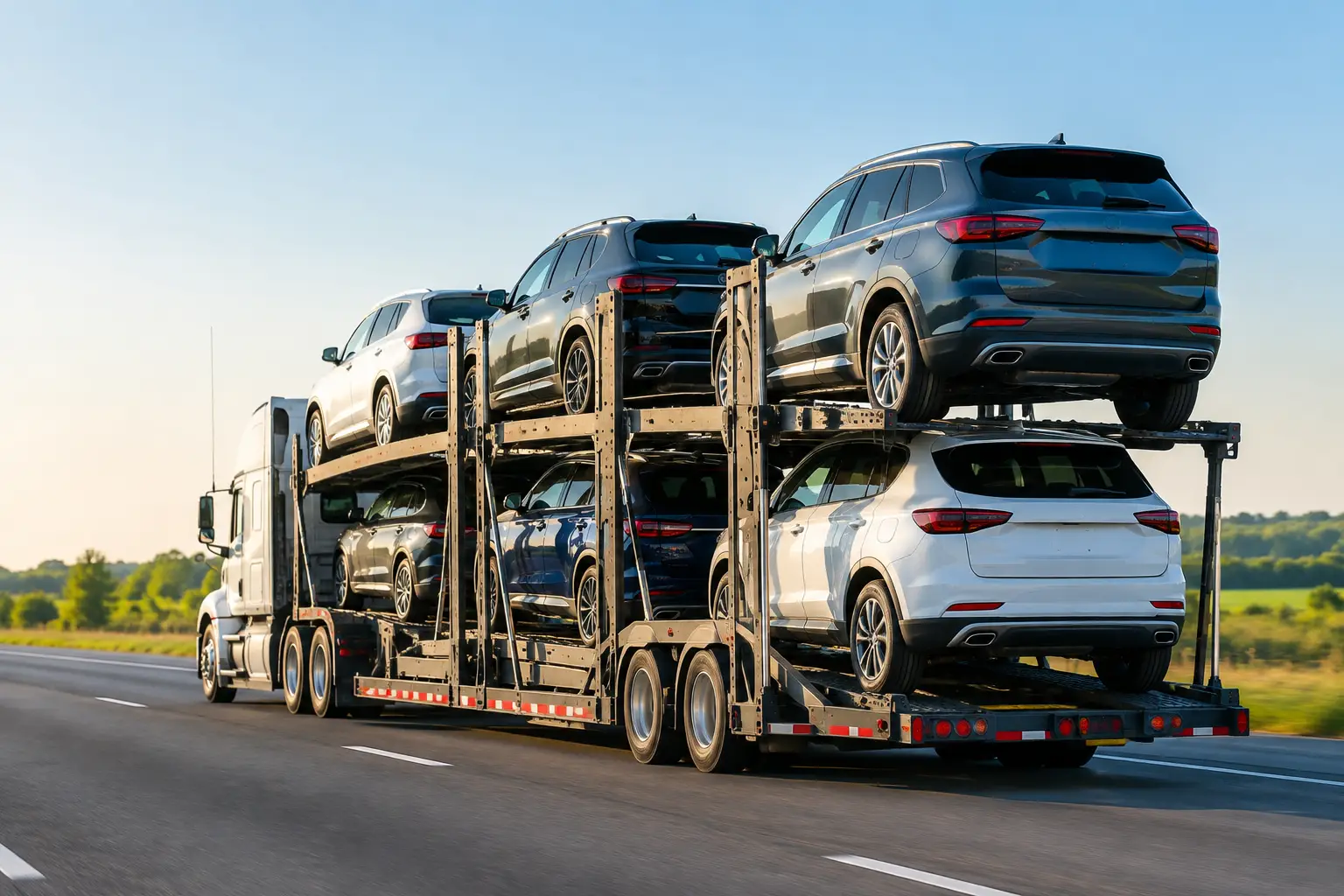
A car hauler review is only useful if it answers the question that matters when your vehicle is sitting in the driveway: will this trailer get it where it needs to go safely, without turning the move into a long day of problems? A clean-looking trailer is a good start, but the right fit, working equipment, and clear support matter more than paint or flashy claims.
Whether you are moving a project car from Cottonwood, taking a vehicle in for repairs, hauling a side-by-side-sized job vehicle, or bringing a newly purchased car home, a car hauler should make the job simpler. Here is what to look at before you book and before you load.
Car Hauler Review: Start With the Right Fit
The first thing to review is not the trailer itself. It is the vehicle you plan to haul and the tow vehicle doing the work. Get the year, make, model, curb weight, overall width, ground clearance, and wheelbase of the vehicle being moved. Those details determine whether the trailer deck, ramps, fenders, and tie-down points will work for your load.
Weight is the obvious concern, but it is not the only one. A low sports car may have trouble with a ramp angle that works perfectly for a pickup. A wide truck may fit between the fenders but leave little room to secure the wheels. A long vehicle can place its weight poorly if the deck is too short.
Also check the tow rating of your truck or SUV. The rating needs to cover the loaded trailer, not just the vehicle on top of it. Trailer weight, cargo, fuel, tools, straps, and a spare tire all count. Do not assume a vehicle with a hitch is ready to tow a car hauler. Confirm the receiver rating, ball mount, ball size, wiring connection, brake controller, and towing capacity before pickup day.
What a Dependable Car Hauler Should Have
A good rental trailer does not need a complicated sales pitch. It needs the basic equipment to be sound, usable, and suited to the haul. During your walk-around, check the tires for obvious damage and proper inflation, look at the deck for major damage, and inspect the ramps, coupler, safety chains, jack, lights, and tie-down points.
Trailer brakes are a major item on a loaded car hauler. Ask whether the trailer uses electric brakes and make sure your tow vehicle has a compatible brake controller when one is required. Test the lights before leaving the pickup location. Brake lights, turn signals, running lights, and hazard lights are not details to deal with later.
Ramps deserve more attention than they usually get. They should be secure when stowed, easy to position, and appropriate for the vehicle’s clearance. If the car sits low, ask about loading options before you arrive. Trying to force a low front end up steep ramps can damage the bumper, splitter, exhaust, or undercarriage before the trip even starts.
Tie-down equipment is another place where cutting corners causes trouble. The vehicle should be secured at approved locations with equipment rated for the job. Wheel straps are often the preferred option because they hold the tires while allowing the suspension to move naturally. Chains and axle straps can also be appropriate in the right setup, but they must be used correctly and kept clear of brake lines, wiring, and fragile suspension parts.
The trailer condition matters, but so does the handoff
A trailer can be in good shape and still create a poor rental experience if nobody explains how it works. First-time renters should be able to ask practical questions about coupling, loading, brake controls, strap placement, and return procedures without feeling rushed.
That is where a local rental provider has an advantage. You need a team that actually picks up the phone when you are checking ball size, confirming a pickup time, or dealing with a question on the road. Contactless pickup and dropoff can save time, especially around work schedules, but it should still come with clear instructions and a way to reach a real person if needed.
Loading Is Where Most Problems Begin
Most car-hauler issues start before the trailer leaves the driveway. Park on firm, level ground whenever possible. Connect the trailer fully, latch the coupler, install the safety pin, cross the safety chains under the tongue, connect the breakaway cable, plug in the wiring, and raise the jack completely before loading.
Load the vehicle slowly and keep it centered. The goal is to place enough weight forward of the trailer axles to create stable tongue weight, without overloading the tow vehicle’s rear axle or hitch. A vehicle loaded too far back can make the trailer sway. That sway can become dangerous quickly, especially on higher-speed roads or in crosswinds.
Once the vehicle is in position, set the parking brake and secure it with the proper tie-downs. Check each strap for twists, make sure hooks and ratchets are fully engaged, and keep straps away from sharp edges. After driving a short distance, stop in a safe location and inspect the load again. Straps can settle as the vehicle suspension shifts.
For longer runs from the Verde Valley, check the tie-downs at regular fuel or rest stops. Arizona heat, rough pavement, elevation changes, and long grades can expose a loose strap or poorly balanced load. A two-minute inspection is easier than recovering from a preventable problem on the shoulder.
Towing on Verde Valley Roads Takes Some Planning
A car hauler changes how your tow vehicle accelerates, brakes, turns, and handles hills. Leave more following distance than usual. Brake early and gradually. Take turns wider, watch your mirrors, and avoid sudden steering corrections.
The terrain around Clarkdale, Jerome, Sedona, Camp Verde, and Cornville is part of the planning. Hills and curves are normal, not exceptions. Use a lower gear on descents when appropriate so you are not relying only on the brakes. Keep your speed reasonable, especially when the trailer is loaded, and never try to drive through trailer sway by accelerating hard. Ease off the throttle, keep the steering steady, and allow the combination to settle down.
It also pays to think through your destination. Can you pull through, or will you need to back the trailer? Is there a level place to unload? Are there low branches, tight gates, soft dirt, or parked cars in the way? A car hauler is manageable, but it needs room. If you are not comfortable backing one, choose a route and unloading spot that lets you avoid a tight turnaround.
Fair Pricing Means Knowing What You Are Getting
The cheapest advertised rental is not always the best value. Review what is included, how the rental period is measured, what happens if you need extra time, and whether the provider gives you clear pickup and return instructions. Ask about required towing equipment and whether straps or other accessories are available.
Good value also includes saved time. A properly maintained trailer, easy booking, dependable communication, and a straightforward handoff can keep a one-day vehicle move from becoming an all-weekend headache. You should know what you are renting, what you need to bring, and who to call before you pull out.
For a car hauler rental, the right choice depends on your vehicle, tow vehicle, route, and experience level. Monsoon Trailer Rental keeps that decision practical: bring the details of your load, ask the questions that matter, and choose equipment that is ready for the job. A careful check before loading gives you the best chance of arriving with your vehicle, your tow rig, and your schedule intact.

