
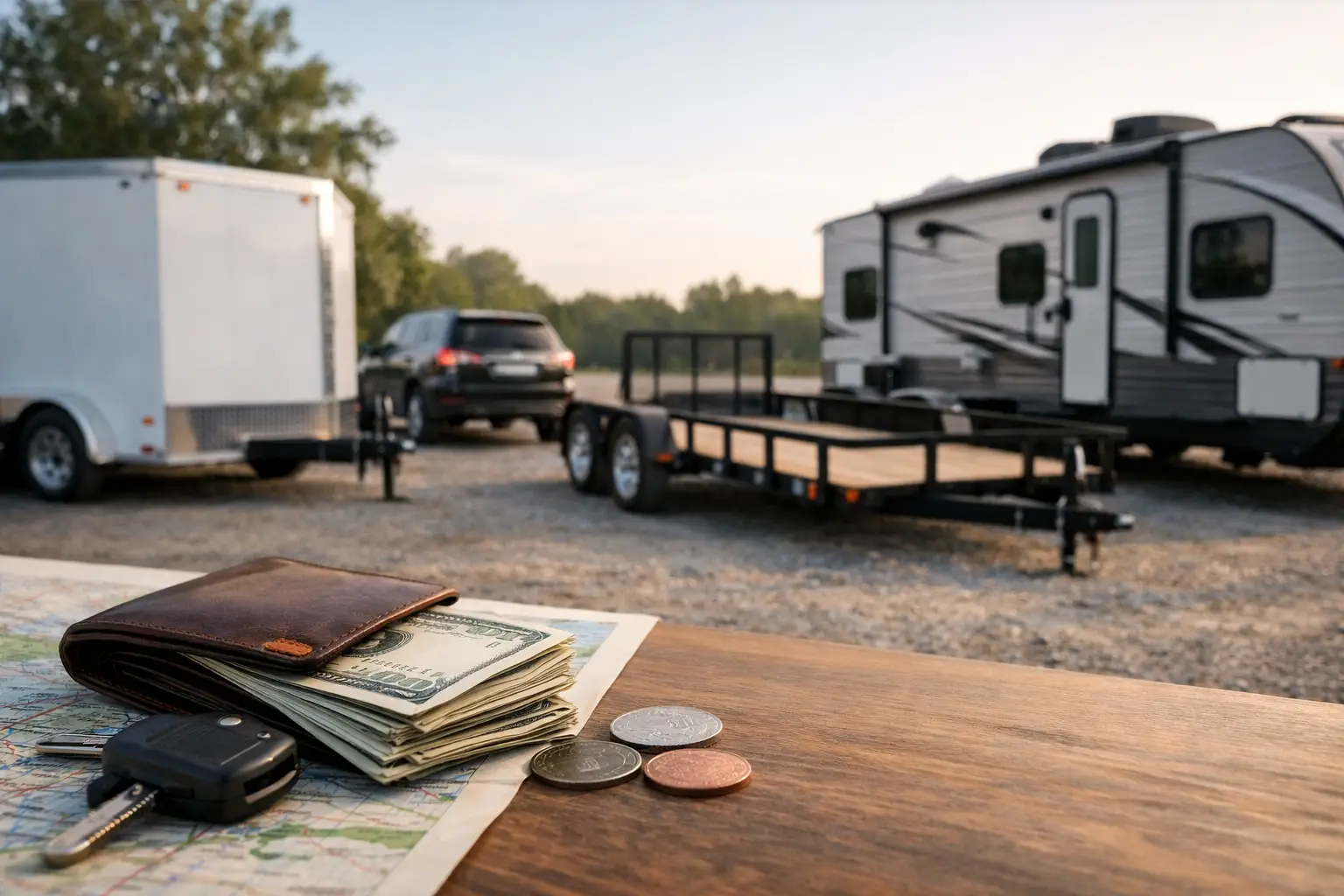
A trailer rental can be cheap or expensive for the same basic job, and the difference usually comes down to a few decisions made before pickup. If you’re looking for the best ways to save on trailer rental, the biggest wins usually come from choosing the right trailer, renting for the right amount of time, and avoiding the add-on costs that sneak up on people.
That matters whether you’re hauling a car to a shop, cleaning up a property, moving equipment for work, or knocking out a weekend project at home. Most people do not overspend because they rented a trailer. They overspend because they rented the wrong one, booked on a rushed timeline, or had to make a second trip they could have avoided.
Start with the right trailer, not the biggest one
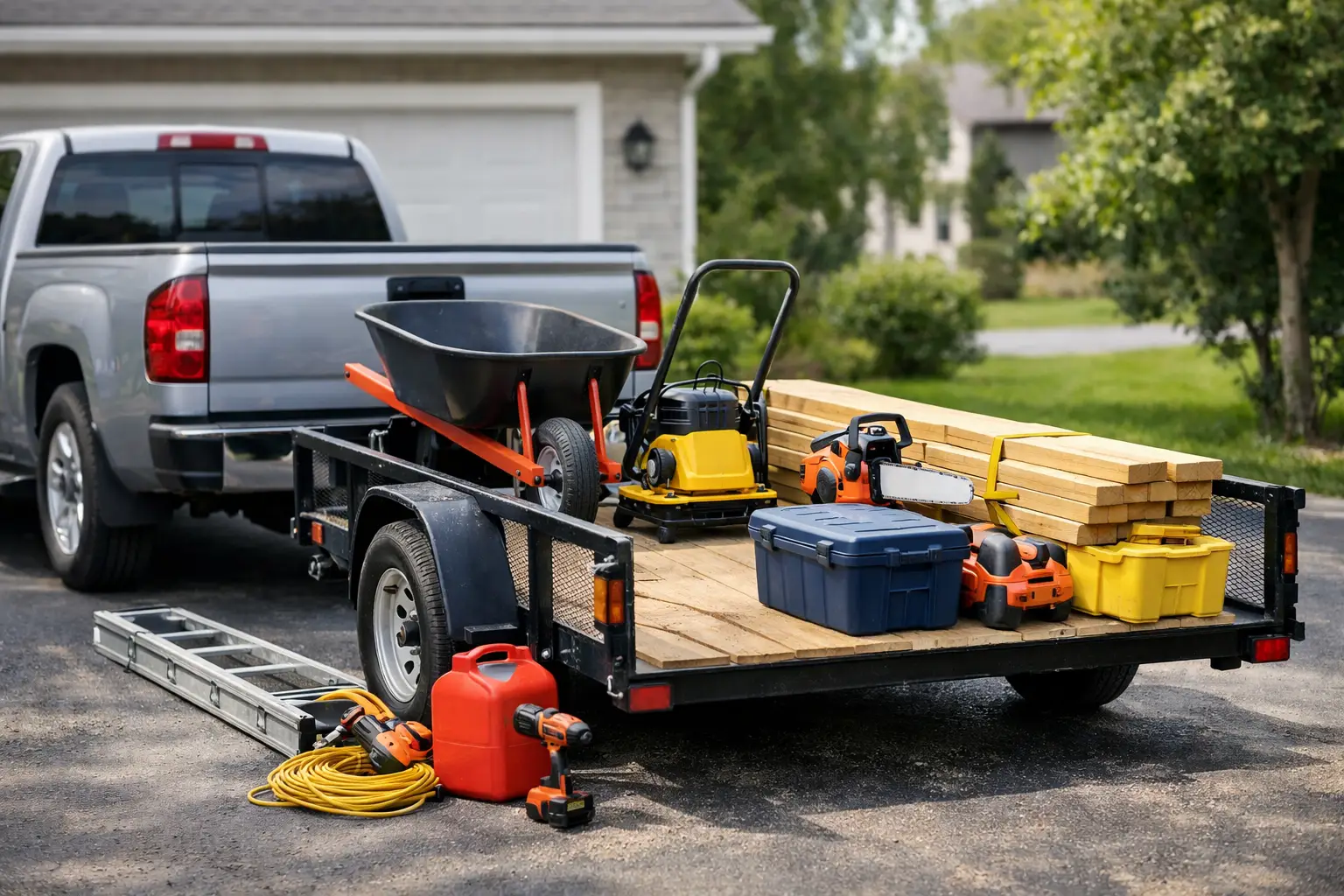
One of the best ways to save on trailer rental is to match the trailer to the actual load. A lot of renters assume bigger is safer. Sometimes it is, but bigger can also mean higher rental cost, harder towing, lower fuel economy, and more trailer than the job really needs.
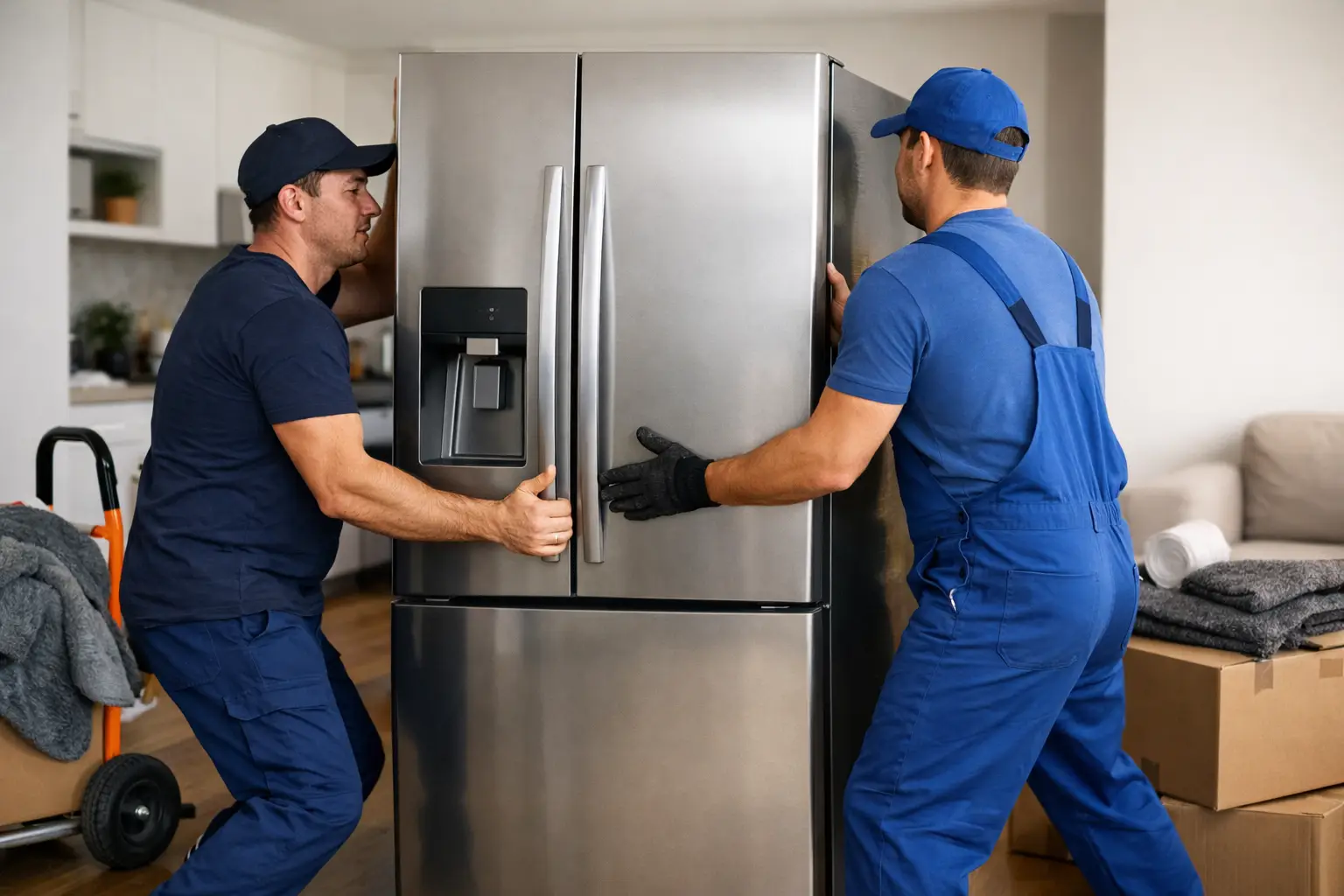
If you’re hauling a side-by-side, a few appliances, or landscaping material, you may not need the same setup you’d use for a full vehicle move or heavy equipment. An oversized trailer can cost more up front and cost more on the road. On the other hand, going too small can force a second trip, which wipes out any savings.
The smart move is simple. Know what you’re hauling, how much it weighs, and how much space it takes up. If you’re unsure, ask before booking. A local rental company that actually answers the phone can usually save you money right there by steering you into the right fit instead of the most expensive option.
Rent for the real job timeline
People often pay more because they guess at the rental window instead of planning it. If you book too little time, you risk rush fees, late charges, or the stress of trying to beat the clock. If you book too much time, you’re paying for hours or days you never needed.
The sweet spot is to map the job honestly. Think about loading time, drive time, unloading, and any delays you already know are likely. Are you picking up a car that may not roll easily? Are you making a dump run on a Saturday when lines can be longer? Is your help showing up at 8 a.m. or “sometime in the morning”?
A little realism saves money. It is usually cheaper to reserve the right amount of time from the start than to scramble after the fact.
Book early when you can
Waiting until the last minute narrows your options. If the trailer size you need is already booked, you may end up renting a larger or more specialized unit just to keep the job moving. That is not always a disaster, but it is rarely the cheapest path.
Early booking gives you a better shot at the most cost-effective trailer for your job. It also gives you time to confirm your tow vehicle setup, gather tie-downs if needed, and avoid panic decisions. In busy seasons, especially when people are moving, clearing land, or tackling home projects, planning ahead can make a real difference.
This is especially true for car haulers. If you know your vehicle move is coming up, do not wait until the day before and hope the ideal trailer is sitting there.
Avoid paying for capacity you do not need
Best ways to save on trailer rental when hauling a vehicle
Car hauler rentals are one of those areas where people either underbook or overbook. If you’re moving a sedan, you do not want to pay for a setup meant for a heavier, larger vehicle if you do not need it. But you also do not want to gamble with a trailer that is not suited to the car’s size and weight.
The same goes for ramps, axle capacity, and deck length. Paying for more trailer than your vehicle requires can eat into your budget. Paying for too little can create safety issues or force a rebooking.
Before reserving, have the vehicle details ready. Year, make, model, approximate curb weight, and whether it runs all matter. A non-running vehicle can change what setup makes sense. A clear conversation on the front end is one of the cheapest ways to avoid a bad rental fit.
Watch the towing vehicle, too
A cheap trailer is not cheap if your tow vehicle is struggling. This is one of the most overlooked costs in the whole process. If the trailer is too heavy for your vehicle, or even just a poor match, your fuel cost goes up, towing gets harder, and the risk of delays or problems rises.
Check your tow rating, hitch class, brake controller needs, and connector type before the rental day. If you show up and your vehicle is not ready, you can lose time, lose your reservation window, or end up switching plans under pressure.
Saving money here is really about avoiding preventable mistakes. The right trailer and the right tow vehicle work as a pair.
Ask about pricing before you assume anything
Not every trailer rental is priced the same way. Some jobs are better suited to a half-day rental. Others make more sense as a full day or weekend booking. If you assume one structure is cheapest without asking, you can leave money on the table.
This is where local service helps. A straightforward rental yard can usually tell you the most practical option based on your job, not just hand you a rate sheet and send you on your way. If your haul is only a few hours, say that. If you need flexibility because the mechanic has not confirmed pickup timing, say that too.
The best savings often come from a short conversation, not from guessing.
Combine trips when it makes sense
If you’re already renting a trailer, think through the full day. Can you handle the dump run after picking up materials? Can you move the mower, grab supplies, and haul the broken equipment in one rental instead of two separate ones next week?
This only works if the jobs are compatible and the load plan is safe, but when it does work, it can cut your rental cost per task in a big way. The key is organization. Plan your route, know your load order, and avoid dead time where the trailer is sitting unused while the clock runs.
For homeowners and small crews, this is one of the most practical savings moves available.
Do not ignore the hidden costs
When people ask about the best ways to save on trailer rental, they usually focus on the daily rate. Fair enough. But the rate is only part of the bill.
Fuel matters, especially with heavier trailers or longer distances. Extra days matter. Time lost because a trailer is too small matters. So does wear on your schedule if your job spills into the next day. Even simple issues like forgetting straps or not checking your hitch setup can turn a low-cost rental into an expensive hassle.
A lower advertised price is not always the better value if the equipment is poorly maintained, pickup is disorganized, or nobody is available to answer basic questions. Good service saves money because it cuts down on wasted time and mistakes.
Choose a provider that keeps things simple
Big companies can work fine, but they are not always the easiest or cheapest option for a local hauling job. If you spend half your morning dealing with hold times, confusing policies, or equipment that was not what you expected, the “deal” starts looking thin.
A dependable local business often gives you a cleaner experience. You can ask what trailer fits your load, confirm what your vehicle needs, get clear pricing, and move on with your day. That direct, practical support is worth real money when you’re trying to finish a job without extra running around.
In the Verde Valley, that matters more than people think. Short hauls can turn into long days if the booking process is messy or the trailer is not ready when you are.
A few savings tips that are worth repeating
There are a handful of habits that consistently keep rental costs down. Measure your load before you book. Know your vehicle’s towing limits. Reserve early when possible. Be honest about how long the job will take. Ask questions instead of guessing.
And if you’re hauling a vehicle, do not treat the trailer choice like a minor detail. It is the whole job.
Monsoon Trailer Rental works with people who need practical hauling help without getting soaked by high rates, and the same rule applies no matter who you rent from: the cheapest rental is the one that fits the job the first time.
If you want to keep your rental bill under control, slow down just enough to plan it right. A few minutes of clear thinking before pickup can save you a lot more than chasing the lowest number on the page.