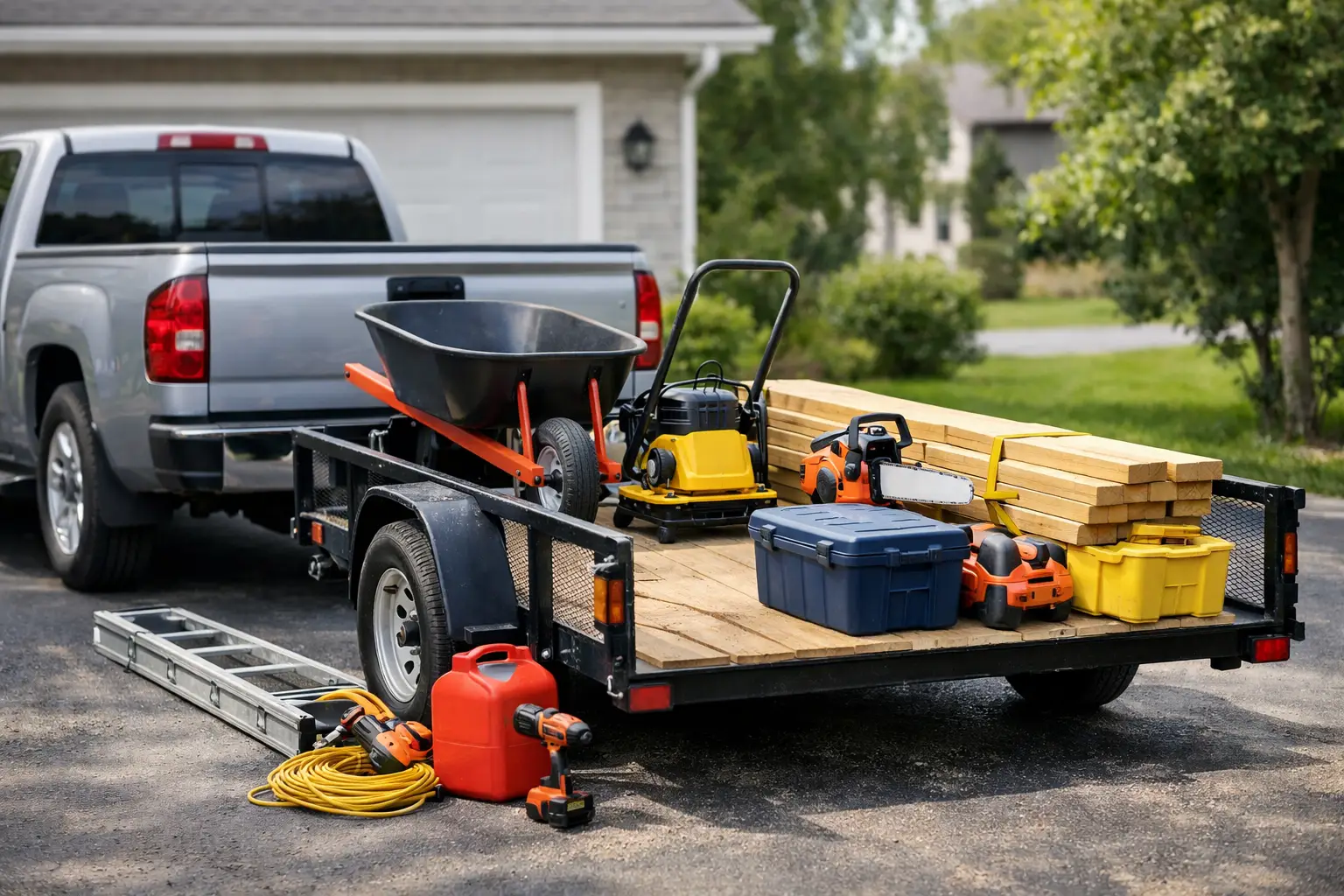

A half-yard of gravel, a riding mower, a stack of drywall, or a couch that looked smaller in the listing – this is where the utility trailer vs truck bed question gets real. The right choice can save you time, prevent damage, and make the whole job safer. The wrong choice can mean extra trips, overloaded suspension, or trying to strap down something that never really fit in the first place.
For a lot of folks, a truck bed feels like the default answer because it is already sitting in the driveway. And sometimes that is the right call. But there are plenty of jobs where a utility trailer makes hauling easier, cleaner, and a lot less frustrating.
Utility trailer vs truck bed: the basic difference
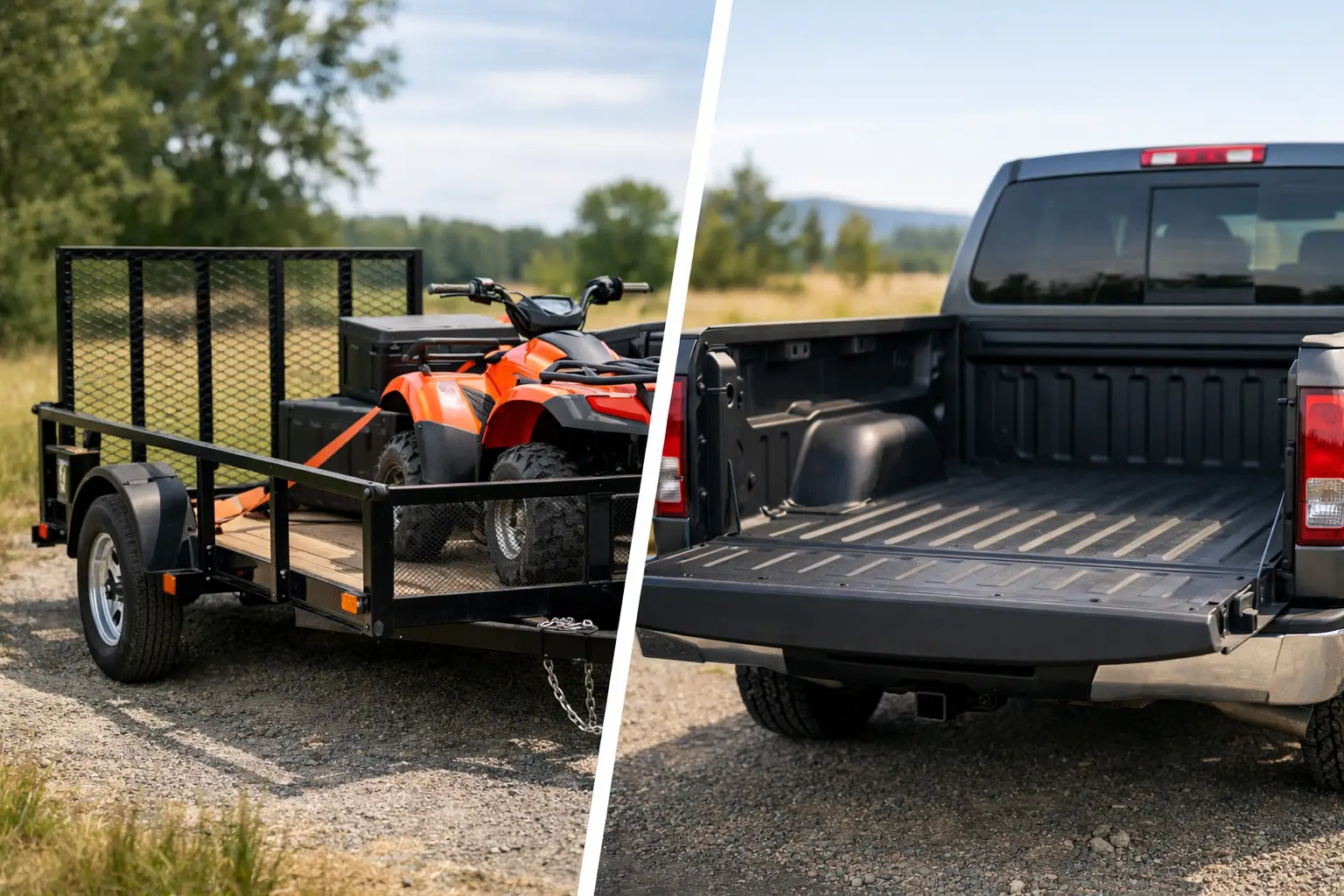
A truck bed is built into the vehicle, which means it is convenient and quick for lighter, everyday hauling. You do not have to hook anything up, think about trailer lights, or back a trailer into a tight spot. If you are making a dump run with a few bags of yard waste or grabbing some lumber for a small repair, a truck bed is hard to beat for pure simplicity.
A utility trailer gives you more cargo space and more flexibility. It can handle bulky items that do not fit well between wheel wells or under a bed cap. It also keeps the mess and wear out of your truck. If you are moving equipment, landscaping materials, furniture, appliances, or building supplies, that extra room matters.
The real question is not which one is better in every situation. It is which one fits the load, the route, and the amount of effort you want to spend.
When a truck bed makes more sense
A truck bed shines when the load is modest and the trip is straightforward. If you are hauling hand tools, a few sheets of plywood, bags of feed, or supplies for a quick jobsite stop, using the bed is usually faster. Load it, strap it, and go.
It also makes sense when you are dealing with tighter parking lots or narrow residential streets. A truck alone is easier to maneuver than a truck pulling a trailer. If you have to make several stops in town, that matters.
There is also less setup involved. No hitching, no checking coupler lock, no trailer wiring, no extra tires to think about. For experienced haulers, that setup may only take a few minutes. For someone in a hurry, those few minutes can still be the difference between getting moving now or putting the job off until later.
That said, a truck bed has limits people run into fast. Payload capacity is one of them. Just because a load fits physically does not mean your truck should carry it. Gravel, pavers, green firewood, and wet debris get heavy in a hurry. A bed piled high can squat the rear suspension, hurt braking, and make steering feel loose.
When a utility trailer is the better tool
A utility trailer starts to pull ahead when the load is bulky, awkward, or simply too much for the bed. Think zero-turn mowers, ATVs, pallets of materials, long boards, demolition debris, or a couple of large furniture pieces that need to stay upright and secure.
Loading is often easier too. Many utility trailers sit lower than a truck bed, which means less lifting. For heavy equipment with wheels, ramps can make a big difference. Even for hand-loaded materials, not having to lift everything chest-high into a truck saves wear on your back.
A trailer also spreads out the job. Instead of stacking cargo high in a bed and hoping your straps hold everything in place, you often get a flatter, more stable load. That can improve visibility and make tie-downs simpler.
Then there is cleanup. If you are hauling brush, broken concrete, mulch, or trash, a trailer keeps that mess out of your truck. No worrying about torn bed liners, dented tailgates, or dirt packed into every corner.
For folks around the Verde Valley handling weekend projects, a utility trailer often makes more sense than trying to force one oversized load into a pickup and making two or three trips to finish what could have been done once.
Capacity is not just about space
One of the biggest mistakes people make in the utility trailer vs truck bed decision is looking only at dimensions. If it fits, they assume it works. But hauling safely is about both volume and weight.
Truck beds are limited by payload, which includes the cargo plus passengers and anything else in the cab. Tow vehicles are limited too, but a properly matched trailer can carry heavier or bulkier loads more comfortably than stuffing everything into the truck itself.
This is where the details matter. A half-ton pickup may have a decent-sized bed but still reach payload limits quickly with dense materials. A trailer can be the safer option, provided your vehicle is rated to tow it and the load is balanced correctly.
There is no shortcut around the numbers. If the load is heavy, check ratings before you go. A safe haul is always cheaper than a damaged truck or a bad stop on the road.
Convenience goes both ways
At first glance, a truck bed seems more convenient because it is already there. That is true for small loads. But convenience changes once the job gets bigger.
If your truck bed means making three trips for debris removal, while a trailer lets you finish in one, the trailer is the convenient option. If your truck bed means unloading half the load to reach what slid to the front, that is not very convenient either.
On the other hand, trailers come with their own learning curve. Backing up takes practice. You need room to turn. You need to watch tongue weight, secure the coupler, and double-check lights and safety chains. For some hauls, that extra effort is worth it. For others, it is overkill.
That is why the best answer often depends on how often you haul and what you are hauling. If the job is occasional and the load is beyond what your bed handles well, renting a utility trailer can make a lot more sense than fighting your truck for a one-day project.
Cost is more than fuel
Some people compare these options and look only at rental cost versus using what they already own. Fair enough, but that is not the whole picture.
Using a truck bed for every hauling job can add wear fast. Heavy loads stress tires, suspension, brakes, and the bed itself. Toss in a scratched tailgate, a cracked taillight from shifting cargo, or a torn-up bed mat, and the cheap option stops looking so cheap.
A utility trailer has a cost too, whether you own one or rent one. But for bigger loads, it can reduce strain on the truck and cut down on repeat trips. That can save fuel, time, and frustration. For many homeowners and small contractors, renting when needed is the practical middle ground. You get the right tool for the day without paying to store, maintain, and register a trailer year-round.
Safety and control on the road
A badly loaded truck bed can be just as risky as a badly loaded trailer. Neither option gets a free pass.
With a truck bed, the common issues are overloading, poor visibility out the back, and loose cargo. With a trailer, the risks are improper tongue weight, sway, missed light checks, and drivers towing more than their vehicle should handle.
The safer choice is usually the one that lets you secure the load properly and stay within ratings. If the cargo is sticking too far out of the bed, piled too high, or making your truck squat hard, that is a sign to rethink the plan. If towing a trailer feels outside your comfort level for a given route, that matters too.
There is no prize for forcing a setup that barely works.
How to decide without overthinking it
If the load is light, compact, and easy to secure, use the truck bed. If the load is bulky, dirty, heavy, or awkward, start looking at a utility trailer.
If you are hauling equipment with wheels, a trailer usually makes loading easier. If you are running quick errands with tools and supplies, the bed is simpler. If the load would require multiple trips in the bed, the trailer probably wins on time alone.
And if you are right on the edge, choose the option that gives you more margin, not less. More room, better tie-down points, lower lifting height, and less stress on the vehicle usually make for a better hauling day.
Utility trailer vs truck bed for real-world jobs
For yard cleanup, dump runs, furniture moves, and DIY projects, either option can work, but not equally well every time. A truck bed is great for the small stuff you want to move fast. A utility trailer is often the better answer when the load starts getting messy, wide, tall, or heavy.
That is the practical way to look at it. Match the tool to the job instead of trying to make one setup handle everything. If your next haul feels like too much for the bed but not worth owning a trailer full-time, renting the right trailer for the day is a pretty smart way to keep the job moving.