
A classic car can lose value fast from one bad loading angle, one loose strap, or one trailer that simply does not fit the car. That is why choosing the right car hauler for classic car transport is not just about getting a vehicle from point A to point B. It is about protecting low ground clearance, old suspension parts, fresh paint, chrome trim, and all the little details that make the car worth owning.
If you are moving a vintage Mustang, an older Chevy truck, a restored coupe, or a project car that barely runs, the trailer matters as much as the tow vehicle. Plenty of people assume any car trailer will do. Sometimes that works. Sometimes it leads to scraped valances, bent exhaust, tire damage, or a long white-knuckle drive home.
What makes a car hauler for classic car transport different
Classic cars are not all fragile, but they do tend to have needs that newer vehicles do not. Many sit lower to the ground. Some have narrow tracks, soft suspension, long overhangs, or bodywork that is expensive and hard to replace. Even a strong-running classic can be a poor candidate for driving long distance if the tires are old, the cooling system is questionable, or the car has just come out of storage.
A good car hauler for classic car transport needs to do three things well. First, it has to fit the vehicle correctly. Second, it has to make loading and unloading manageable without damaging the car. Third, it has to hold the vehicle securely for the entire trip, not just the first ten miles.
That sounds simple, but the details matter. Deck height, ramp angle, trailer width, tie-down points, trailer brakes, and overall stability all play a part. If one of those is off, the job gets harder in a hurry.
Open trailer or enclosed trailer
For many local and regional moves, an open car hauler is the practical choice. It costs less, weighs less, and is easier for many people to tow with the truck or SUV they already have. If the route is short, the weather is decent, and the car is being moved carefully, an open trailer can be the right tool for the job.
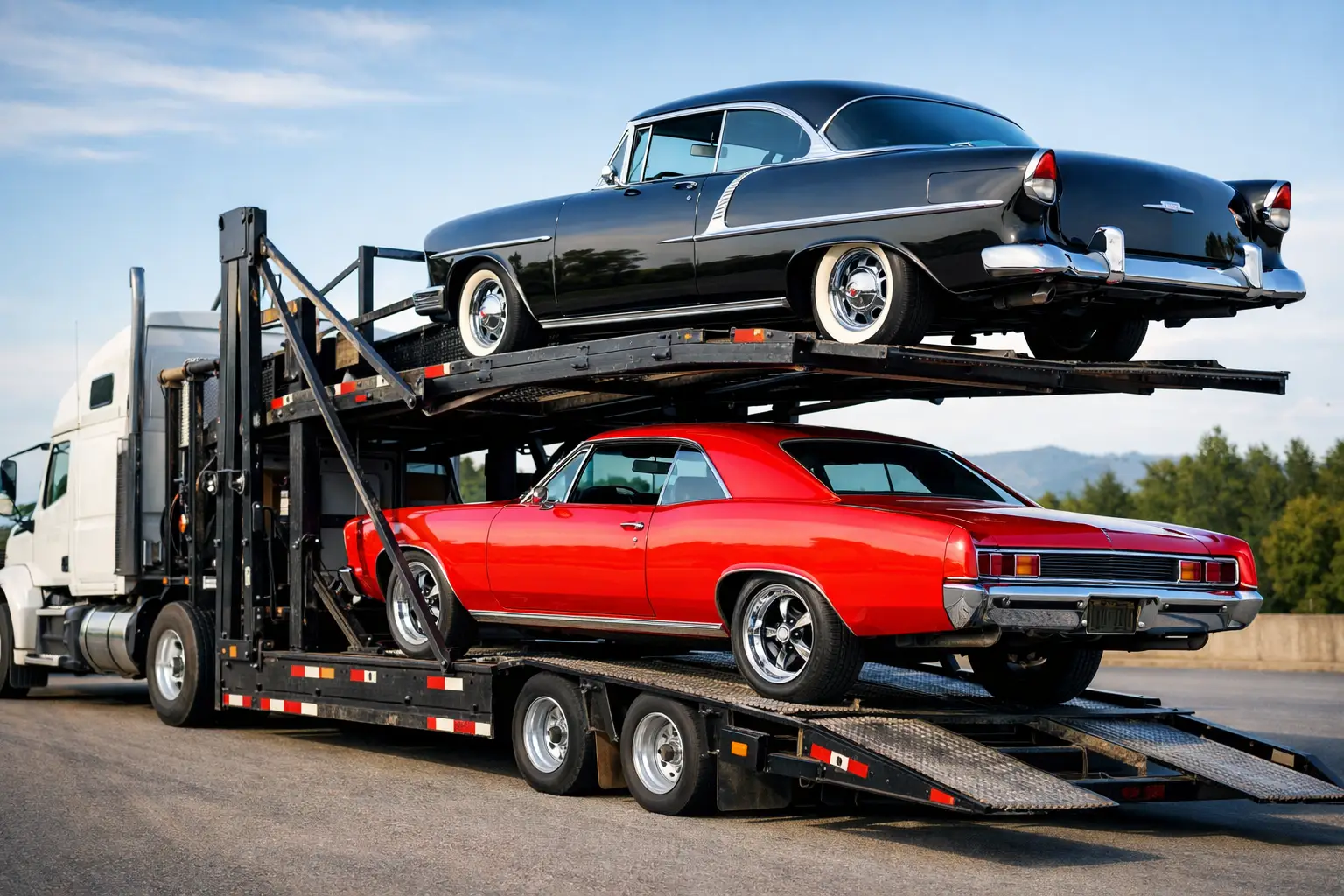
That said, enclosed transport has clear advantages. It protects the car from weather, road debris, and curious eyes. If you are moving a high-dollar restoration or a show car with delicate paint, enclosed may make more sense. The trade-off is cost, trailer weight, and sometimes tighter loading conditions.
For a lot of owners, it depends on the car and the trip. A weekend move across the Verde Valley is different from hauling a freshly painted classic several hundred miles through wind and construction zones. There is no one-size-fits-all answer. The right choice comes down to value, risk, distance, and what your tow setup can safely handle.
Trailer fit matters more than most people think
The first question is not whether the car can technically get onto the trailer. The real question is whether it fits with room to load, secure, and balance it properly.
Overall vehicle weight is the obvious starting point, but length and width are just as important. A classic with a long wheelbase may fit poorly on a shorter deck. A car with wide rear tires may create tie-down headaches. Some older vehicles have body shapes that make door clearance tight once they are on the trailer.
Then there is ground clearance. This is where many transport problems begin. A low front spoiler, long nose, side pipes, or low-hanging exhaust can catch on ramps fast. Even if the car makes it up, it may scrape enough to crack paint or damage trim.
That is why lower deck height and gentler ramp angles are such a big deal. Sometimes wood planks or ramp extensions help reduce the breakover angle, but that only works if the base trailer setup is solid to begin with.
Loading a classic car without creating new problems
Loading is the part people rush, and it is often the part that causes damage. A classic should be loaded slowly, with a spotter if possible, and with a clear plan before the tires ever touch the ramps.
Check that the trailer is on stable, level ground. Make sure the ramps are secured and lined up correctly. If the car does not run, use a winch or another controlled method instead of trying to push your luck. Jerky movement on ramps is a bad idea with any vehicle, but especially with an older one.
It also helps to think about weight placement before loading starts. The car should be positioned so the trailer has proper tongue weight. Too far forward can overload the hitch or rear axle of the tow vehicle. Too far back can cause sway, and sway with a car trailer is not something you want to learn about on the highway.
If you are not used to loading low vehicles, this is one place where a local rental company that actually picks up the phone can save you time and stress. Sometimes a quick conversation about vehicle dimensions, ramp angle, and tie-down setup prevents a real headache later.
How to secure the car the right way
A classic car should be secured based on its actual structure, not whatever point looks convenient. That means using proper straps and tie-down points designed for vehicle transport, not improvised chains and hope.
In many cases, over-the-tire straps are a smart option because they secure the vehicle without compressing the suspension too aggressively or contacting delicate frame and body areas. Axle straps can work too, but you need to know exactly where they are going. Routing straps around brake lines, fuel lines, or vulnerable suspension parts is an easy mistake.
After the car is tied down, check strap tension, tire position, and wheel chocks if used. Then check again after a few miles. Straps can settle. Suspension can shift slightly. What looked tight in the driveway may not stay that way after a few turns and bumps.
Towing stability is not just about the trailer
Even the best trailer will not make up for a tow vehicle that is not rated for the load. Before renting or hauling, make sure your vehicle can safely tow the combined weight of the trailer and the classic car. That includes hitch capacity, brake controller setup if required, tire condition, and overall braking ability.
This is where people get tripped up. They know the car weight. They know the trailer weight. But they do not always account for tools, spare tires, jacks, fuel, or anything else added to the haul. Margins disappear fast.
Brakes on the trailer matter too. For a heavier classic or a longer route, trailer brakes add control and reduce strain on the tow vehicle. You may also notice the difference in crosswinds, downhill grades, and stop-and-go traffic.
When renting makes more sense than owning
If you move classic cars every month, owning a trailer may pencil out. For most people, it does not. A car hauler takes up space, needs maintenance, needs tires, and still has to match the job at hand.
Renting lets you choose the right equipment for the move instead of trying to force one trailer to handle every situation. That is especially useful for people moving a newly purchased project car, taking a vehicle to a paint or body shop, bringing home an estate car, or transporting a seasonal toy that does not need a full-time trailer sitting in the yard.
For folks around Cottonwood, Clarkdale, Sedona, and nearby communities, that flexibility matters. You can line up the haul, get the trailer you need, and return it when the job is done, without getting soaked by high rates or wasting time dealing with a giant company that treats you like a number.
A few questions worth asking before you book
Before you commit to any trailer, ask about deck size, weight capacity, ramp style, tie-down points, and brake setup. If your classic is low, mention it. If it does not run, mention that too. If it has extra-wide tires or a long wheelbase, say so up front.
Those details are not nitpicking. They are what separate an easy haul from a frustrating one. A good rental experience is not just handing over a trailer. It is making sure the trailer fits the job.
Classic cars deserve a little more care than an average vehicle move. Not because they are precious, but because the parts are older, the bodywork is often harder to replace, and the cost of one careless mistake can be steep. Pick the trailer with the same common sense you used when you bought, built, or restored the car, and the trip is a whole lot easier from the first ramp to the final unload.