
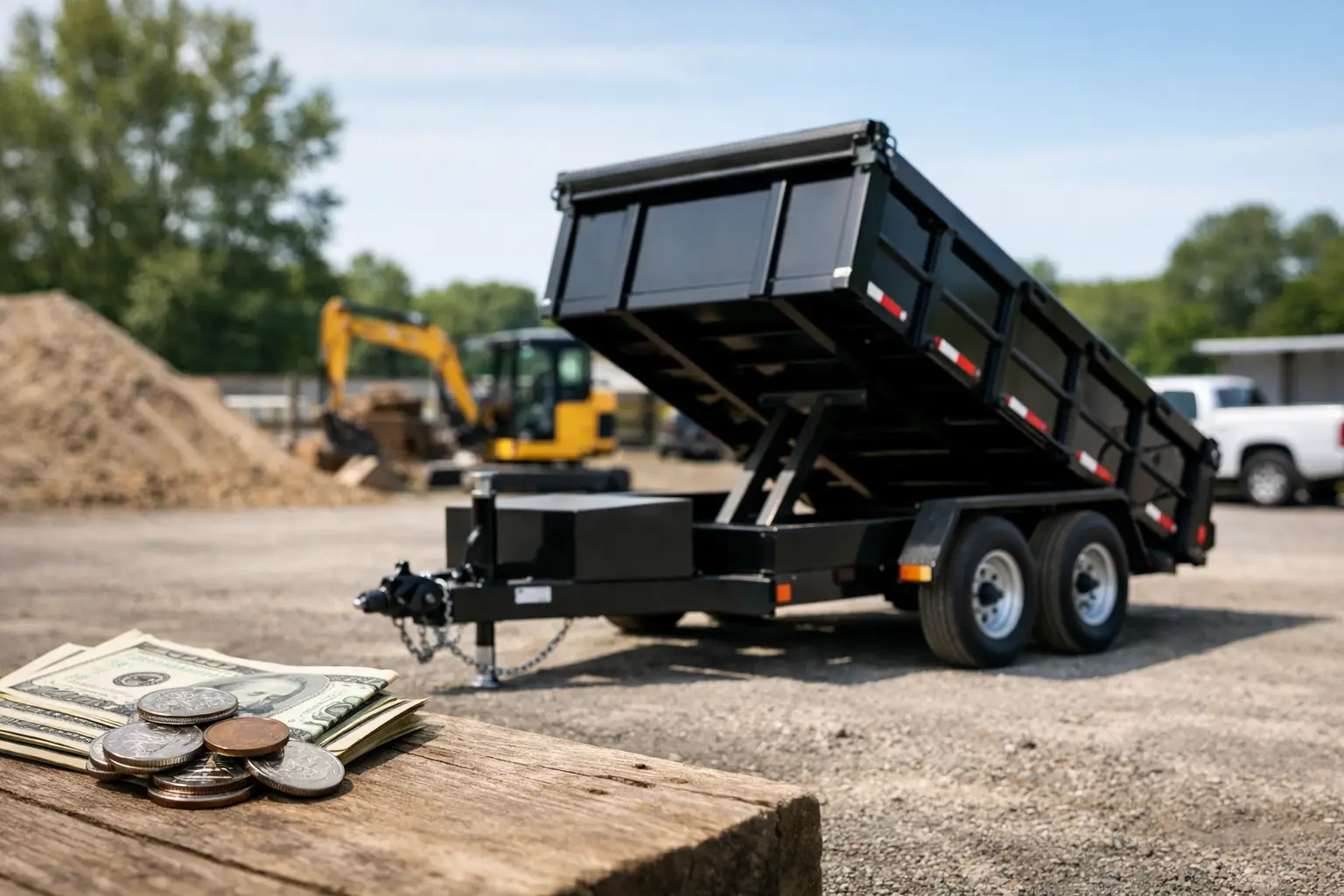
A pile of brush, broken concrete, old fencing, or renovation debris can turn a simple project into a hauling problem fast. So, how much does it cost to rent a dump trailer? For most jobs, expect a daily rate somewhere around $100 to $250, with larger trailers, longer rentals, delivery, and special hauling needs changing the final number.
That range is a starting point, not a promise. A one-day cleanup in Cottonwood is different from a week-long landscaping job in Sedona or a contractor hauling dense material from a site near Camp Verde. The right rental is the one that handles your load safely without having you pay for more trailer than the job needs.
Typical Dump Trailer Rental Costs
Most dump trailer rental companies price by the day, with discounted weekly rates for bigger projects. A smaller dump trailer may rent for roughly $100 to $175 per day. Mid-size and larger units commonly run about $175 to $250 or more per day, especially when they offer greater capacity, heavier-duty construction, or additional features.
Weekly rentals can make better financial sense when the job will take more than a couple of days. Rather than paying seven separate day rates, renters may find a weekly price in the range of $500 to $1,000 or more, depending on trailer size and local demand. Monthly pricing may be available for ongoing contractor work, but it varies widely.
The daily price is only part of the number to consider. Before booking, ask what is included in the quoted rate and what may be charged separately. A clear quote should make it easy to plan the job without surprises at pickup or return.
Why prices vary from one trailer to another
Dump trailers come in different bed sizes, axle ratings, payload capacities, and configurations. A trailer built for yard waste and household cleanup is not the same as one meant to haul gravel, dirt, roofing debris, or demolition material. The heavier the work it is designed to do, the more it may cost to rent.
A rental rate can also reflect condition and upkeep. Dependable hydraulics, functioning lights, good tires, secure ramps or gates, and properly maintained brakes matter when the trailer is loaded and on the road. A low price is not much of a deal if the equipment creates a delay halfway through your haul.
What Affects the Final Rental Price?
Trailer size is the most obvious factor, but it is not the only one. The details of your project determine whether a basic daily rental is enough or whether the total cost moves higher.
Rental length: One day is usually the simplest option for a quick cleanup. If you are working around demolition, landscaping, or a renovation schedule, a multi-day or weekly rate may cost less per day. Be realistic about loading time, dump runs, and cleanup. Returning late can add another day or a late fee.
Trailer capacity: A larger trailer holds more, but that does not mean it can carry unlimited weight. Brush takes up a lot of space but is relatively light. Soil, rock, concrete, shingles, and wet material get heavy fast. You need a trailer with enough payload capacity for the material, not just enough room in the bed.
Delivery and pickup: If you do not have a suitable tow vehicle or would rather keep your crew focused on the job, delivery may be available for an added charge. The distance, access to the property, and scheduling needs can affect that fee. Contactless pickup and dropoff can be a convenient option when you do have the right vehicle and want to stay in control of the schedule.
Towing equipment: Your truck must be rated to tow the loaded trailer, not merely the empty trailer. You may also need the proper hitch, ball size, electrical connection, brake controller, and trailer brake setup. Renting a trailer that your vehicle cannot safely handle is not a shortcut. It is a problem waiting for a steep grade, a hard stop, or a rough access road.
Cleaning, damage, and fuel: Rental companies generally expect trailers to come back reasonably clean and in the same condition they left. Mud packed into the bed, concrete stuck to the floor, damaged gates, flat tires, or hydraulic damage can lead to additional charges. Ask about the return condition before loading anything that may be difficult to remove.
A Realistic Way to Budget Your Job
Start with the trailer rate, then build the rest of the job around it. If a dump trailer is $150 per day and you expect to use it for two days, your base rental is $300. Add any delivery charge, applicable taxes, and the cost of disposal at the landfill or transfer station. If you are hauling material that requires special disposal, that cost may be separate as well.
For example, a homeowner clearing tree limbs and old lumber might rent a trailer for one day, make one or two dump runs, and finish the project for a few hundred dollars plus disposal fees. A landscaping crew moving several loads of decomposed granite, dirt, or brush may be better off with a larger trailer for multiple days, even if the upfront rate is higher.
The cheapest daily option is not always the lowest-cost job. A trailer that is too small can mean extra trips, more fuel, more landfill fees, and lost time. On the other hand, renting the biggest trailer available for a small garage cleanup can waste money and create unnecessary towing challenges.
Watch the Weight, Not Just the Volume
This is where many first-time renters get caught off guard. A dump trailer may look half empty and still be near its legal payload limit. Concrete, masonry, gravel, soil, roofing shingles, and green wood are all much heavier than they appear.
Do not load dense material to the top of the sidewalls. Load it evenly, keep the center of gravity low, and follow the rental provider’s payload guidance. An overloaded trailer can damage the equipment, make dumping unsafe, and put you over vehicle or road weight limits.
If your load includes a mix of heavy and bulky debris, tell the rental company what you are hauling. A straightforward conversation before pickup can help you choose the right size, avoid overloading, and prevent an expensive return trip.
Dump Trailer Rental vs. Dumpster Rental
A dump trailer is often a good fit when you want control over the hauling schedule. You can load it, take material to the appropriate disposal site, return, and keep working. That flexibility is useful for landscaping projects, property cleanouts, small demolition work, and jobs where material is generated in stages.
A dumpster can make more sense when you do not have a tow-capable vehicle, do not want to make dump runs, or need a container to sit on site for several days. The trade-off is that dumpster rental pricing typically includes delivery, pickup, and disposal terms that may be less flexible. Access, placement, and neighborhood rules can matter too.
For a project where you already have a capable truck and know you will make multiple trips, a dump trailer can be a practical, cost-conscious choice. For a one-time pile that needs to disappear with minimal handling, a dumpster may be worth comparing.
How to Get an Accurate Quote Before You Book
Have a few details ready when you call: what you are hauling, how long you need the trailer, whether you are towing or need delivery, and what vehicle you plan to use. Also ask about the trailer’s empty weight, payload rating, required hitch setup, deposit or authorization hold, late-return policy, and any cleaning or damage charges.
A local provider should be able to answer those questions plainly. Monsoon Trailer Rental serves Verde Valley customers who need dependable equipment and a team that actually picks up the phone, so renters can get clear guidance before they commit to a trailer.
The best way to keep dump trailer costs under control is simple: match the trailer to the material, give yourself enough time to finish safely, and get the full price details before the wheels start rolling.