
If you are figuring out how to book local trailer rental, the fastest way to get it right is to start with the job, not the trailer. A lot of rental problems happen because someone books too small, too heavy, or the wrong style for what they need to haul. Whether you are moving a car, hauling landscaping material, clearing out a property, or handling a weekend project, a little prep saves time, money, and frustration.
Local renters usually want the same thing – fair pricing, dependable equipment, and a process that does not eat up half the day. That is especially true when you are balancing a job site, home project, or a tight schedule. Booking a trailer should feel straightforward, and when it does, the whole haul goes smoother.
Start with the job before you book
The best booking decisions come from knowing exactly what you need to move. A utility trailer works for some jobs, but not all. A car hauler is built for a very different purpose than a trailer for tools, debris, or landscaping material. If you book based only on what looks available, you can end up making the job harder than it needs to be.
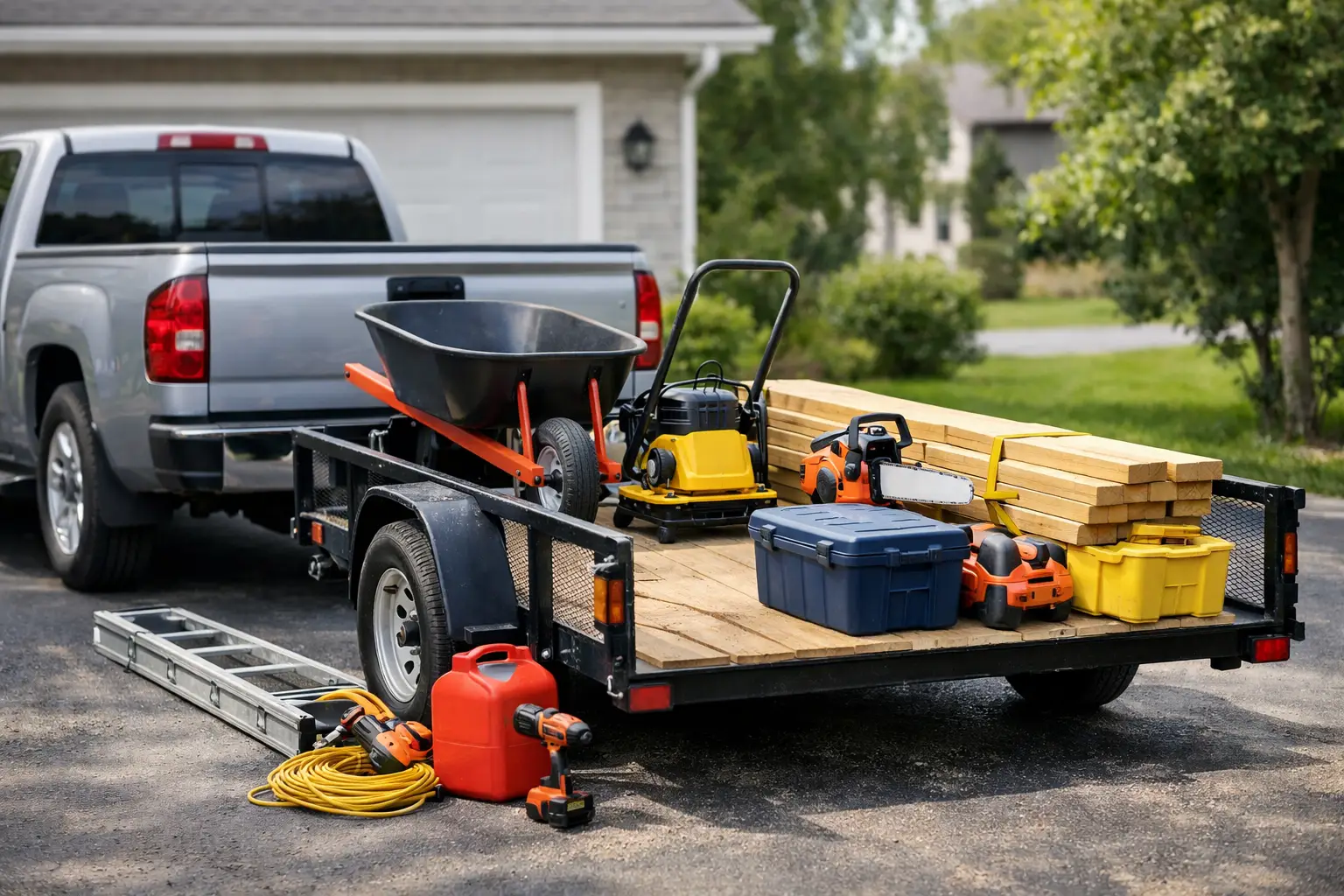
Think about the size and weight of the load first. Length, width, and total weight matter. So does how the cargo will be loaded. A mower, ATV, or small equipment may need a ramp-friendly setup. A vehicle move may call for a car hauler with the right tie-down points and deck size. Loose material like brush or renovation debris calls for a different setup than a single heavy item.
It also helps to think about your route. A quick in-town haul is one thing. A longer drive through the Verde Valley with turns, elevation changes, or tighter roads may change what feels easiest and safest to tow. Bigger is not always better. The right fit usually makes loading easier and towing more stable.
How to book local trailer rental without guesswork
When people ask how to book local trailer rental, what they usually mean is how to avoid choosing wrong. The simplest answer is to gather a few details before you contact the rental company or reserve online.
Have the basics ready: what you are hauling, the approximate weight, the dimensions of the load, how long you need the trailer, and what tow vehicle you plan to use. That last part matters more than many first-time renters expect. Your vehicle needs to be able to tow the trailer and the load safely, not just technically move it down the road.
If you are not sure which trailer fits the job, ask. A good local rental company should be willing to talk through the job with you in plain language. That kind of conversation is often where you avoid the most expensive mistake – booking something that sounds close enough but is not actually right.
Check your tow vehicle before rental day
This is where many bookings go sideways. You may find the perfect trailer, but if your hitch, wiring, brake setup, or towing capacity do not match, pickup gets delayed fast.
Start with your vehicle’s towing capacity. Then check the hitch class, ball size, and electrical connector. Make sure your lights work and that your vehicle is equipped for the trailer you are reserving. Some trailers may also require trailer brakes or a brake controller, depending on the setup and load.
Do not guess based on what a buddy towed once with a similar truck. Look at your actual vehicle specs. Payload, braking, wheelbase, and drivetrain all play a part. For first-time renters, this is one of the biggest reasons to work with a local company that actually answers the phone and helps you sort it out before you arrive.
Compare more than just the daily rate
Price matters, but the cheapest number on the screen is not always the best rental. A low advertised rate can leave out things that affect the real cost, like timing limits, equipment condition, deposit terms, or extra fees tied to late returns or add-ons.
Look at what is included and how the process works. Is booking simple? Is pickup efficient? Can you get help from a real person if you need it? Is the equipment maintained well? Those things matter when you are on a deadline or towing something valuable.
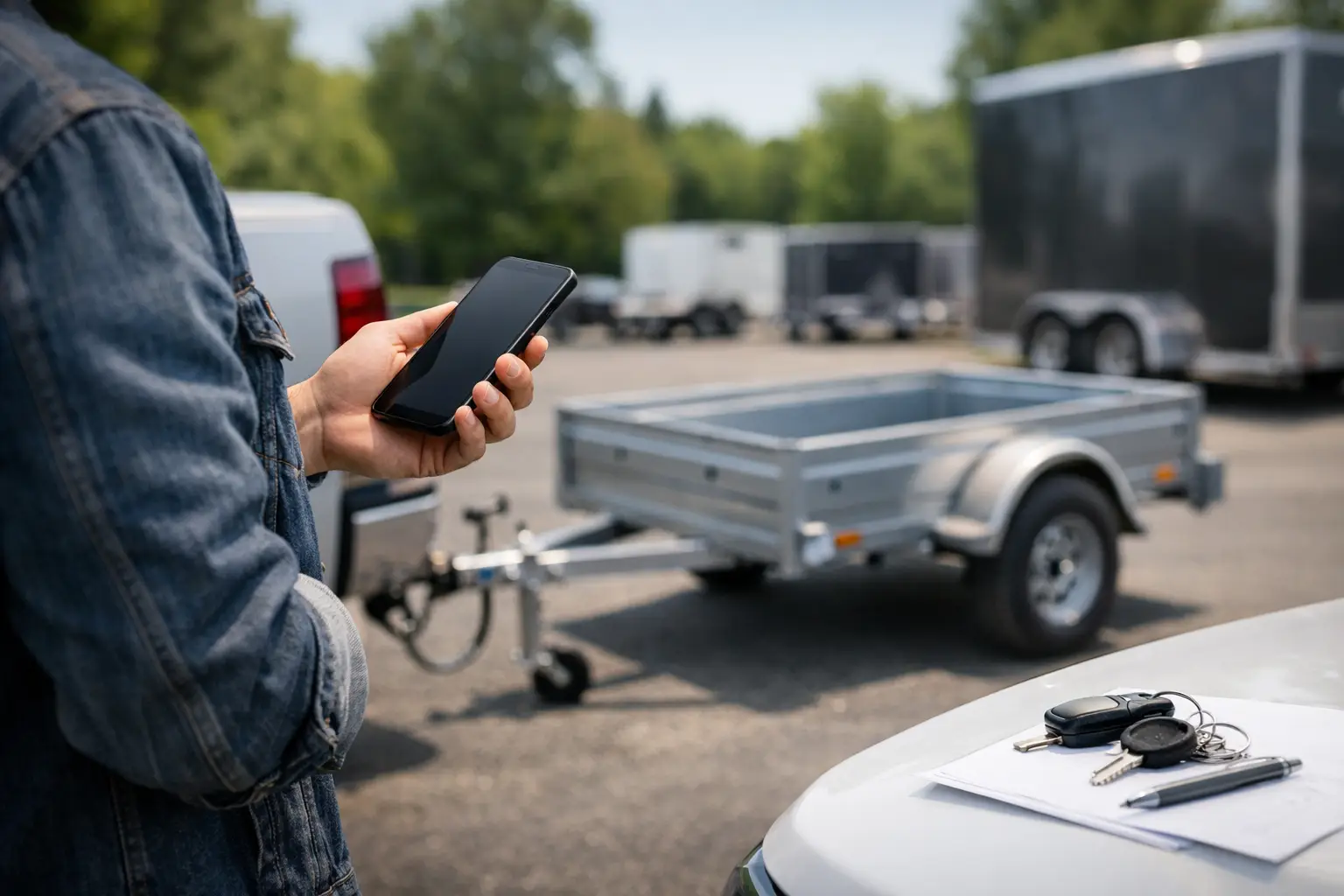
For a lot of renters, especially in places like Cottonwood, Clarkdale, or Sedona where time and travel matter, convenience has real value. Contactless pickup and dropoff can be a big advantage if you need an early start or a clean handoff after hours. That kind of setup saves hassle, but only if the instructions are clear and the company is organized.
Ask the right questions before you reserve
A short conversation upfront can save a long headache later. You do not need a giant checklist, but you do want clarity on the points that affect your job.
Ask what trailer is best for your load, what your vehicle needs in order to tow it, how pickup and return work, and whether there are any time, mileage, or use restrictions you should know about. Confirm the rental window so you are not rushed. If your project might run long, ask what happens if you need extra time.
This is also the time to ask about loading. If you are hauling a vehicle, ask about ramps, deck dimensions, and tie-down expectations. If you are hauling equipment or materials, ask about weight distribution and whether the trailer is suited for that kind of load. A straightforward answer now is better than a bad surprise in the parking lot.
Booking online vs. booking with a local team
Online booking is great when you already know exactly what you need. It is fast, it gives you a clear reservation, and it works well for experienced renters who have their tow setup dialed in.
But there is a trade-off. If you are unsure about trailer size, towing compatibility, or timing, a quick call can be the smarter move. A local business that serves real hauling needs every day can usually spot a mismatch before it becomes your problem. That is one of the big differences between a nearby rental provider and a larger, more impersonal operation.
For many renters, the best approach is a mix of both. Get your details together, check what is available, then confirm the fit with someone who knows the equipment. That keeps the process easy without leaving important questions unanswered.
What to expect on pickup day
A smooth pickup starts before you leave home. Bring whatever identification or booking confirmation is required, and make sure your vehicle is ready. If your trailer ball mount, plug, or brake controller is not right, that is not something you want to discover at the last minute.
When you arrive, inspect the trailer. Check the tires, lights, coupler, safety chains, ramps if applicable, and overall condition. If anything looks off, speak up right away. A dependable rental company should expect that and want you to leave confident.
Also take a minute to understand loading balance and securement. Tongue weight and load placement matter. Too much weight in the wrong spot can make towing unstable, while too little tongue weight can create sway. If you have not hauled that kind of load before, ask for guidance before you pull out.
Common booking mistakes to avoid
The most common mistake is booking based on price alone. Right behind that is underestimating load weight. People also forget to verify their hitch and wiring, assume every trailer works the same, or wait too long and find that the right option is already reserved.
Another issue is booking the exact minimum time needed with no margin. Projects run long. Loading takes longer than expected. Traffic happens. It is usually better to build in a little breathing room than to spend the whole rental watching the clock.
And if the job involves a vehicle, do not wing the measurements. A car hauler needs to fit the actual vehicle, not just the general category. Tire width, wheelbase, clearance, and total weight all matter.
How to make the whole rental easier
The easiest rentals are the ones where the customer knows the job and the rental company knows the equipment. Meet in the middle with good information and a few direct questions.
If you are booking for a home project, think through the full day, not just the pickup. Where will you load? Where will you park? Do you need ramps? Will you be hauling one heavy trip or several lighter ones? If it is for work, think about timing, crew coordination, and whether the trailer setup helps or slows down the job.
That practical approach is what makes local rental worth it. A company like Monsoon Trailer Rental is built around real hauling needs, not one-size-fits-all service. When the equipment is dependable, the pricing is fair, and someone is available to help you book the right trailer, the whole process gets a lot simpler.
The right trailer should help you finish the job, not create a new one. If you take a few minutes to match the trailer to the load, confirm your tow setup, and ask the questions that matter, booking becomes a whole lot easier – and so does everything after pickup.