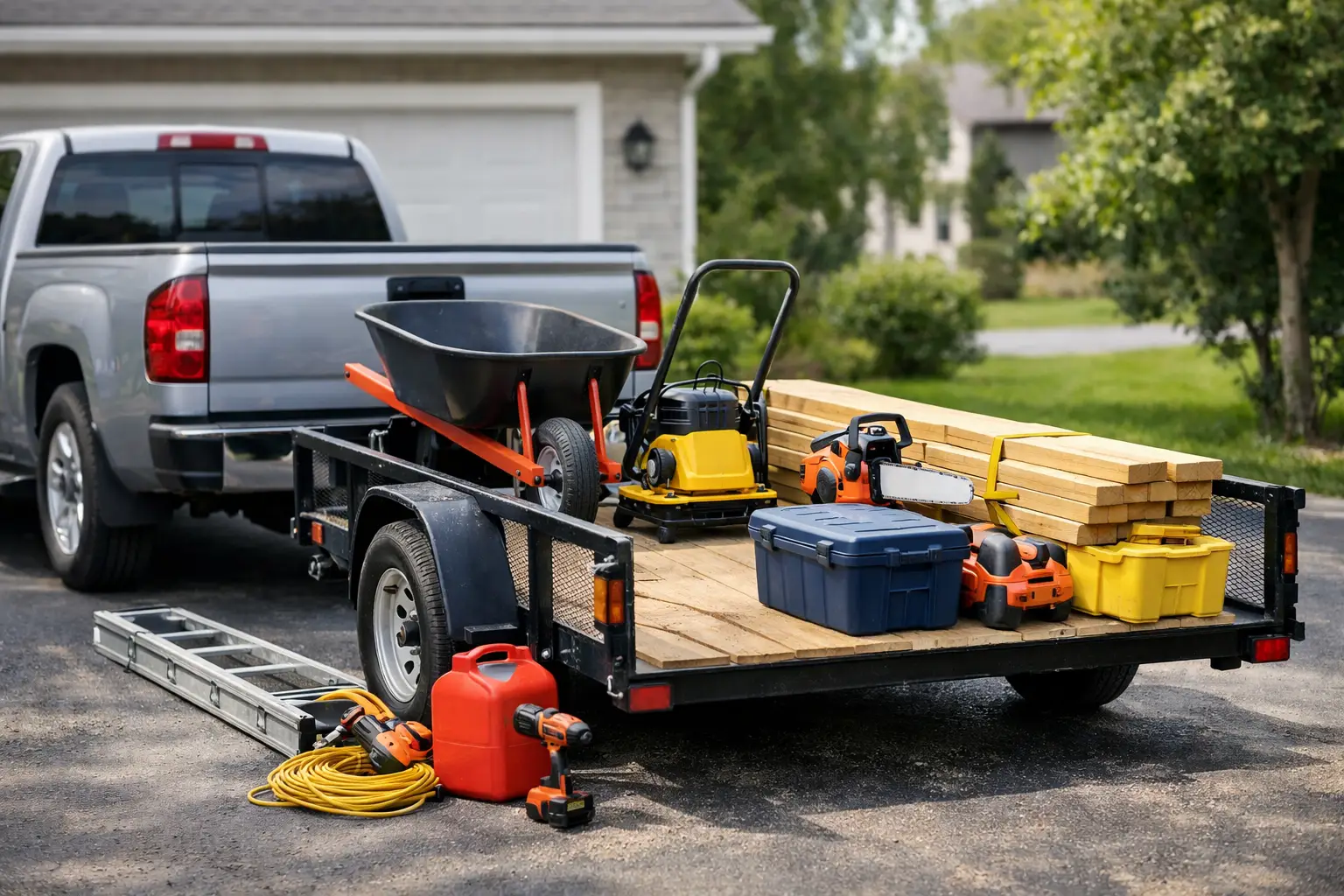

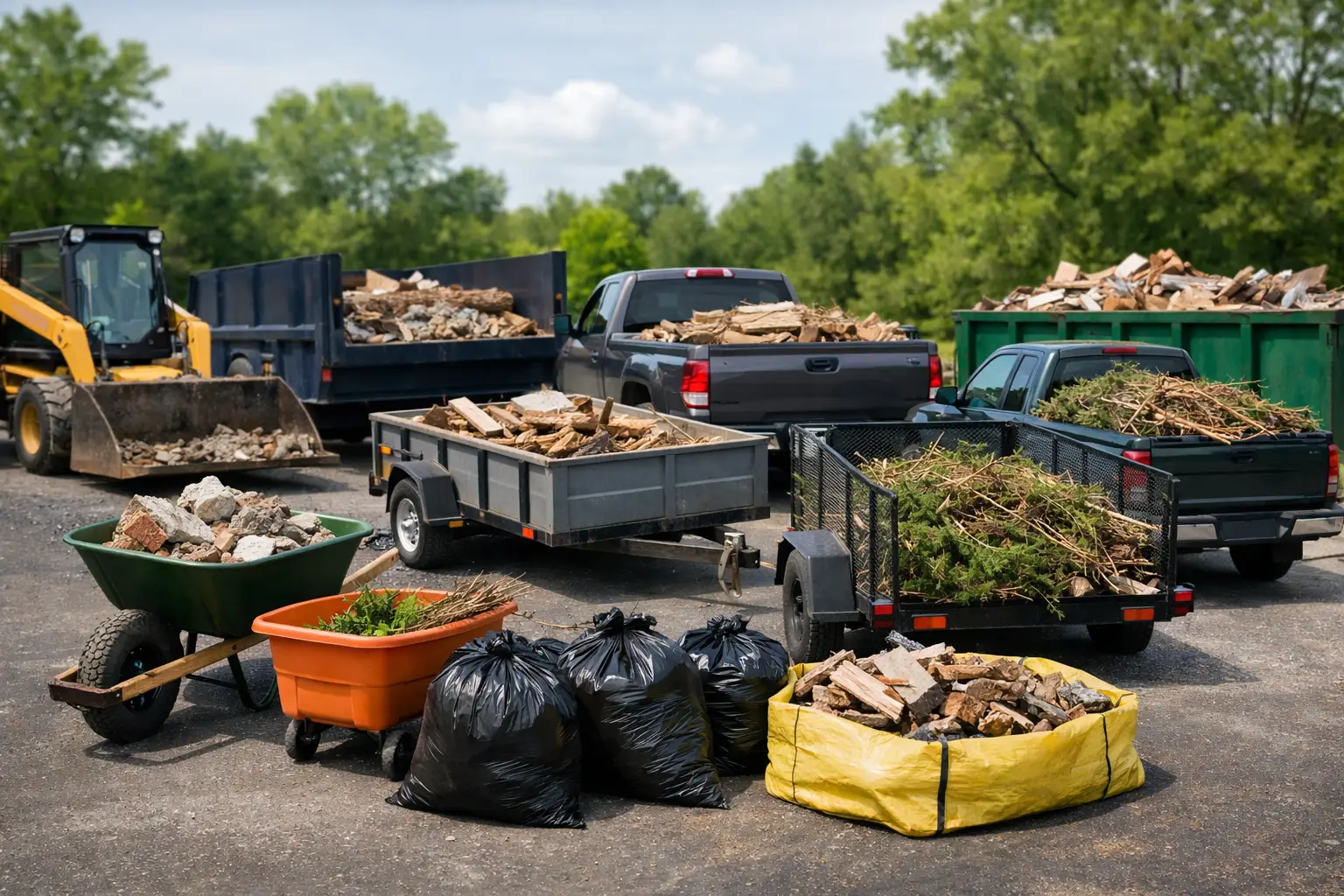
That pile usually starts small. A few torn-out cabinets, a stack of yard waste, some busted concrete, maybe old fencing leaning off to the side. Then suddenly you need a real plan. The best ways to haul debris depend on what you are moving, how much of it you have, and whether you want the job done in one trip or five.
If you are cleaning up after a remodel, clearing a property, or knocking out a weekend yard project, hauling debris the wrong way costs time fast. It can also damage your truck, create a safety problem on the road, or leave you paying twice when the first plan does not hold up. The right method is usually the one that matches the material, the weight, and your timeline – not just whatever is sitting in the driveway.
Best ways to haul debris for different jobs
There is no single best option for every cleanup. Household junk, tree limbs, roofing tear-off, dirt, block, and scrap all behave differently once you start loading them. Some debris is bulky but light. Some looks manageable until the weight adds up in a hurry.
For smaller cleanups, a pickup truck may be enough. If you are hauling a few bags of trash, some branches, or light demo material, using your own truck can make sense. It is familiar, available, and works well when the load is contained and you are only making a short run. The trade-off is bed space, sidewall height, and wear on your vehicle. Loose debris can shift, sharp material can tear things up, and repeated dump runs eat up more time than people expect.
For larger or messier jobs, an open utility trailer is often the better answer. It gives you more room, easier loading, and better separation between the debris and your vehicle. That matters when you are hauling broken drywall, lumber, green waste, fencing, or bulky cleanup material. A trailer also makes it easier to keep loading instead of stopping because the truck bed is already full.
If the debris is especially heavy, a dump trailer is usually the smartest route. Dirt, gravel, concrete chunks, block, wet landscaping waste, and roofing material can get heavy enough to create problems quickly. The advantage of a dump trailer is not just capacity. It is unloading. Shoveling out a heavy load by hand after a long day is where a lot of people regret trying to save money on the front end.
When a pickup truck works and when it does not
A pickup is fine for light, contained debris. If you are cleaning out a garage, removing a small amount of yard waste, or hauling away old boxes and broken furniture, it may be all you need. Short loads with solid tie-downs are one thing.
Where people get into trouble is trying to stretch a pickup into a demolition rig. Tall piles of loose debris, overloaded suspension, unsecured tarp jobs, and material hanging over the sides are all signs the job has outgrown the truck. Even if you can technically fit it, that does not mean it is the right setup.
There is also the issue of cleanup after the haul. Nails, dust, glass, mulch, and concrete residue are not kind to a truck bed you still use every day. If the job involves nasty material, separating the mess from your daily vehicle has real value.
Why trailer rentals make sense for cleanup jobs
One of the best ways to haul debris is renting the right trailer for the job instead of forcing the job into the wrong vehicle. That is especially true when you have enough material to justify a full load but not enough to own hauling equipment year-round.
A trailer rental gives you flexibility without the long-term cost of buying, storing, and maintaining equipment. For homeowners, that matters during remodels, yard overhauls, moving cleanouts, and storm cleanup. For small contractors and landscapers, it means taking on jobs without tying up cash in another trailer.
It also keeps things simpler. You can match the trailer to the debris instead of making repeated trips with too little capacity. Around the Verde Valley, where dump runs and jobsite travel can add up, saving two or three trips is not a small thing.
Choosing the right trailer for the debris
An open utility trailer is a strong all-around option for light to medium debris. It is easy to load by hand, works well for brush, lumber, general junk, and renovation scraps, and gives you decent space without being overkill. If your cleanup involves awkward items that would be hard to stack in a truck bed, this setup often saves time.
A dump trailer is a better fit when weight is the real issue. Heavy material changes everything. A load of concrete, dirt, pavers, or roofing tear-off can become unsafe fast if the trailer is too small, the tow vehicle is undersized, or the load is not distributed properly. A dump trailer handles those jobs better and unloads faster at the end.
The main point is simple: bulky and light is different from compact and heavy. A mountain of branches may look dramatic but weigh less than a modest pile of broken masonry. Pick equipment based on actual hauling demands, not just how big the pile looks.
Safety matters more than speed
Most debris-hauling problems happen before the vehicle even leaves. Overloading, poor tie-downs, and uneven weight distribution are common mistakes. They also make towing harder, braking less predictable, and unloading more frustrating.
Load heavier material low and centered over the trailer axle area when possible. Do not stack debris so high that it shifts or blows out. Cover loose loads when needed, especially lighter material that can scatter on the road. If you are hauling branches, insulation, cardboard, or loose trash, secure it like you expect wind to test every weak spot.
It is also worth paying attention to what should not be mixed together. Sharp metal can tear bags. Concrete can crush lighter debris. Yard waste mixed with construction material can make disposal more complicated depending on where you are dumping it. Sorting as you load may feel slower, but it often speeds up the dump process and avoids reloads.
Cost is not just the rental rate
People often compare hauling options based only on the daily price. That misses the real cost. Fuel, extra dump runs, damage to your truck, cleanup time, and lost hours all count too.
Using the cheapest option on paper can end up being the expensive choice if it takes twice as long or creates a problem you have to fix later. A trailer that lets you clear the job in one run instead of several has value. So does equipment that is easy to hook up, works the way it should, and comes from a team that actually picks up the phone if you have a question.
That is one reason local trailer rental makes sense for a lot of customers in places like Cottonwood, Clarkdale, and nearby communities. You are not looking for a fancy process. You want dependable equipment, fair pricing, and a straightforward answer about what will handle the load.
Common debris jobs and the best fit
For yard cleanup, an open utility trailer usually works well unless you are hauling wet loads of dirt or rock. For remodeling debris, it depends on volume and weight. Drywall, cabinets, flooring, and trim often fit well in a utility trailer. Tile, mortar, and concrete start pushing the job toward a dump trailer.
For roofing debris, be careful. Shingles are heavier than many people expect, especially in large quantities. For masonry, pavers, and dirt, go heavier-duty from the start. For a garage or property cleanout with mixed junk, the deciding factor is usually how many trips you want to make.
If you are unsure, ask before booking. A good rental company will tell you if you are sizing too small or choosing the wrong type of trailer. At Monsoon Trailer Rental, that practical guidance is part of the value. The goal is not to rent you more than you need. It is to get you through the haul without wasting a day figuring it out the hard way.
The best hauling plan is the one that finishes the job
Debris has a way of dragging a project out when the hauling plan is weak. The best setup is not always the biggest and it is not always the cheapest. It is the one that safely handles the material, fits your vehicle, and gets the cleanup done without turning one project into three.
If you are staring at a growing pile and debating whether to squeeze it into a truck bed or step up to a trailer, be honest about the load. A better hauling setup usually pays for itself in time, effort, and fewer headaches before the day is over.