

That last-minute hauling job always looks simple until you realize your pickup bed is too small, your SUV is already full, or the load is heavier than you first thought. If you’re wondering how to rent a trailer without wasting time or paying for the wrong setup, the process is pretty straightforward when you know what to check before you book.
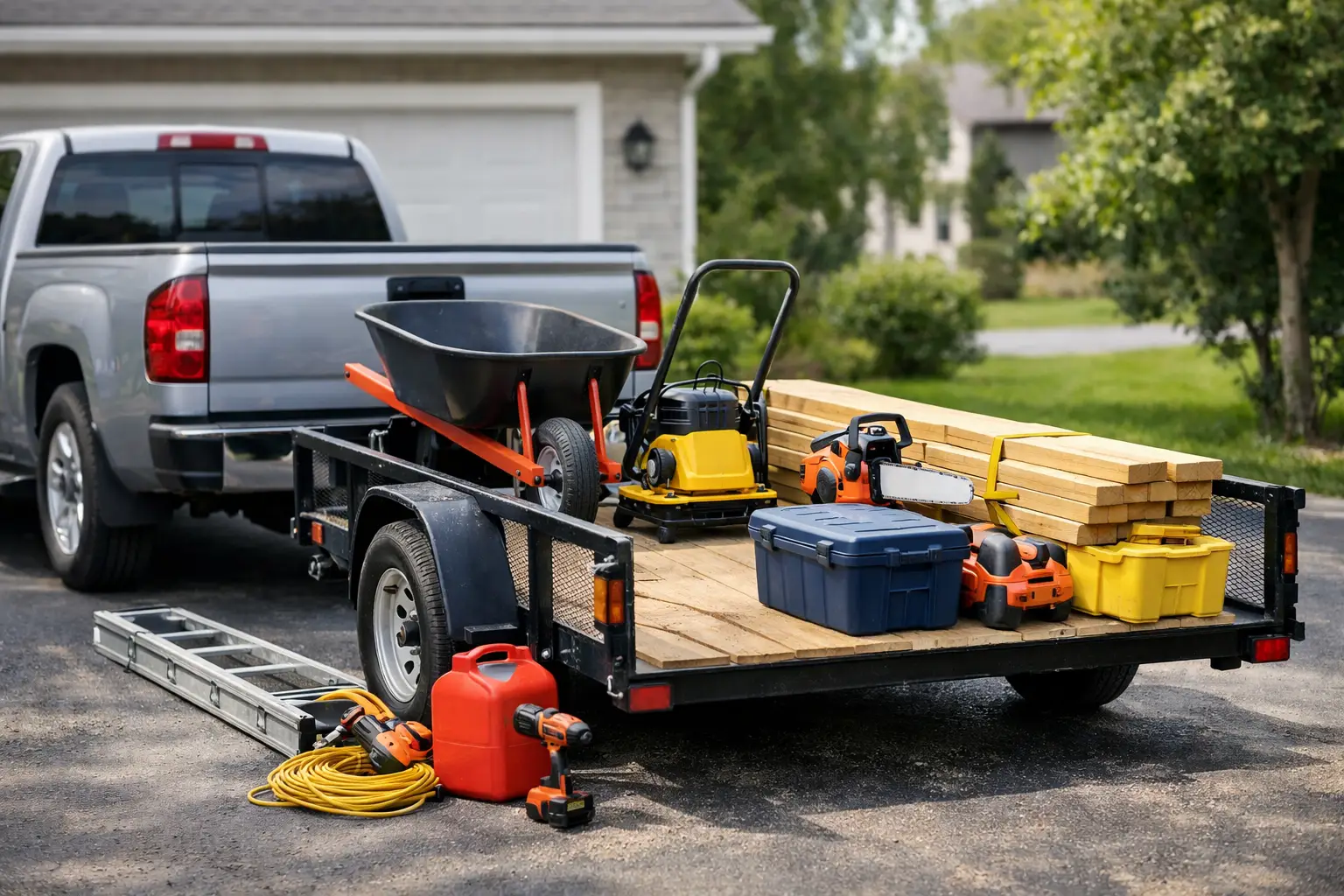
Most people rent a trailer for one of a few reasons: moving equipment, hauling yard waste, picking up materials, transporting a vehicle, or clearing out a property. The mistake is thinking all trailers do the same job. They do not. The right rental depends on what you’re hauling, how much it weighs, and what vehicle is doing the towing.
How to rent a trailer for the job you actually have
Start with the load, not the trailer. That sounds backward, but it saves money and headaches. If you’re hauling mulch, appliances, furniture, a side-by-side, or a car, each one calls for a different trailer style and capacity.
An open utility trailer works well for general-purpose hauling like landscaping debris, small equipment, home improvement materials, and dump runs. A car hauler is built for vehicles and gives you the right deck, ramps, and tie-down setup for that kind of load. If the trailer is too small, you end up making multiple trips. If it’s too large, you may be paying for capacity you do not need and towing more weight than necessary.
Before you call or book, know three things: what you’re hauling, the rough weight, and the overall size. Even a simple estimate helps. A riding mower and a compact tractor are both “equipment,” but they are not remotely the same rental.
Match the trailer to your tow vehicle
This is where a lot of first-time renters get tripped up. Renting the trailer is only half the job. Your vehicle has to be able to tow it safely.
Check your tow rating in your owner’s manual or on the manufacturer’s sticker information. You want to know your vehicle’s maximum towing capacity, whether you have the correct hitch receiver, and what electrical plug you have for lights. A trailer may be available, but that does not mean your vehicle is the right match for it.
You also need to think beyond raw towing numbers. Wheelbase, brakes, drivetrain, payload, and how far you’re traveling all matter. A half-ton truck might handle one trailer just fine for a short local run, while the same setup could feel less comfortable for a longer haul with hills or a vehicle loaded on the deck. This is one of those it-depends situations where honest details up front lead to a better recommendation.
What to have ready before you book
If you want the rental process to go quickly, have your basic information ready. That usually includes your driver’s license, your rental dates, your tow vehicle details, and a clear idea of the job.
It helps to know the year, make, and model of your tow vehicle. If you’re hauling a car, have the vehicle’s approximate weight, dimensions, and whether it runs and drives. If you’re hauling material or equipment, estimate the total weight of the load, not just the biggest item.
A local trailer rental company will usually ask a few practical questions, not because they want to make it complicated, but because they want to help you leave with the right equipment the first time. That’s especially helpful for first-time renters in places like Clarkdale, Cottonwood, Sedona, and the rest of the Verde Valley, where jobs range from simple home cleanups to equipment and vehicle transport.
Ask about the full rental cost
Price matters, but the cheapest number is not always the real number. When you’re learning how to rent a trailer, always ask what is included in the rate.
Find out whether the price is hourly, daily, or weekend-based. Ask if there are mileage limits, late return fees, cleaning expectations, or extra charges for accessories. Some customers only look at the base rate and get surprised later. A straightforward rental should be easy to understand before you ever hook up.
This is also a good time to ask about deposit requirements and what condition the trailer needs to be returned in. A reputable rental operation should be clear about all of it. No guessing, no fine-print games.
Inspect the trailer before you leave
Even with dependable equipment, you should still do a walkaround before pulling out. It takes a few minutes and gives you peace of mind.
Check the tires for visible wear or damage. Make sure the lights work – brake lights, turn signals, and running lights. Look at the coupler, safety chains, ramps if included, and tie-down points. If the trailer has jacks or other moving parts, make sure you know how they work.
This is not about assuming something is wrong. It is about confirming you know how to use the equipment and that everything is ready for the road. If anything looks off, ask right then. A good rental team should be willing to walk you through hookup, loading basics, and any trailer-specific details.
Loading matters more than most people think
A properly loaded trailer tows better, brakes better, and feels more stable. A poorly loaded trailer can sway, bounce, or put too much strain on your hitch and vehicle.
Keep the load balanced from side to side, and place weight so the trailer has proper tongue weight without overloading the rear of your tow vehicle. Secure everything with the right straps or chains for the load. If you are hauling loose material or debris, use a tarp when needed.
With vehicle transport, the details matter even more. Tire placement, tie-down points, and weight distribution are not guesswork. If you’re renting a car hauler, ask for loading guidance if you’ve never used one before. A quick explanation at pickup can prevent a long day on the road.
Common mistakes people make when they rent a trailer
The biggest mistake is underestimating the job. People guess low on weight, assume their hitch setup is fine, or rent based on price alone instead of fit.
Another common issue is not measuring access. A trailer may fit the load perfectly but be awkward in a narrow driveway, tight parking area, or steep approach. If you’re loading at a house, jobsite, or storage yard, think about space to turn around and back in.
Timing can be another problem. Weekend projects tend to stretch. If there’s a real chance your job could run long, ask about rental extensions before you leave. It is better to know the process in advance than scramble later.
And then there is the weather factor. Wind, rain, and extreme heat all affect hauling. In Arizona, heat alone can change how a long tow feels, especially with heavy loads and exposed equipment. Give yourself extra time and do not rush the trip.
Why local service makes trailer rental easier
If you’ve ever dealt with a big rental counter that treats your hauling job like a number, you already know the difference. Trailer rental goes smoother when you can talk to a real person who asks the right questions and gives you a straight answer.
That matters even more if you’re not sure what type of trailer you need. A local company that knows the area, the roads, and the kind of work customers are actually doing can help you make a better call. Sometimes the best rental is not the biggest one on the lot. Sometimes it’s the one that fits your load, your tow vehicle, and your day without wasting money.
For customers in the Verde Valley, that practical kind of help is worth a lot. Monsoon Trailer Rental is built around that idea – dependable equipment, fair pricing, and a team that actually picks up the phone.
How to rent a trailer and feel confident about it
Renting a trailer does not need to be complicated. You need the right trailer for the load, a tow vehicle that can handle it, clear pricing, and a quick safety check before you head out. The rest comes down to asking the right questions and not guessing when the job has real weight behind it.
If you’re between two trailer options, say so. If you are not sure about your hitch or electrical connection, ask. If the load is unusual, mention it. The best rental experience usually starts with a simple, honest conversation.
A good trailer should make your job easier, not add another problem to solve. Get the right setup, take a few extra minutes at pickup, and the haul tends to go a whole lot better.