
Towable car hauler rental: what you need to know first
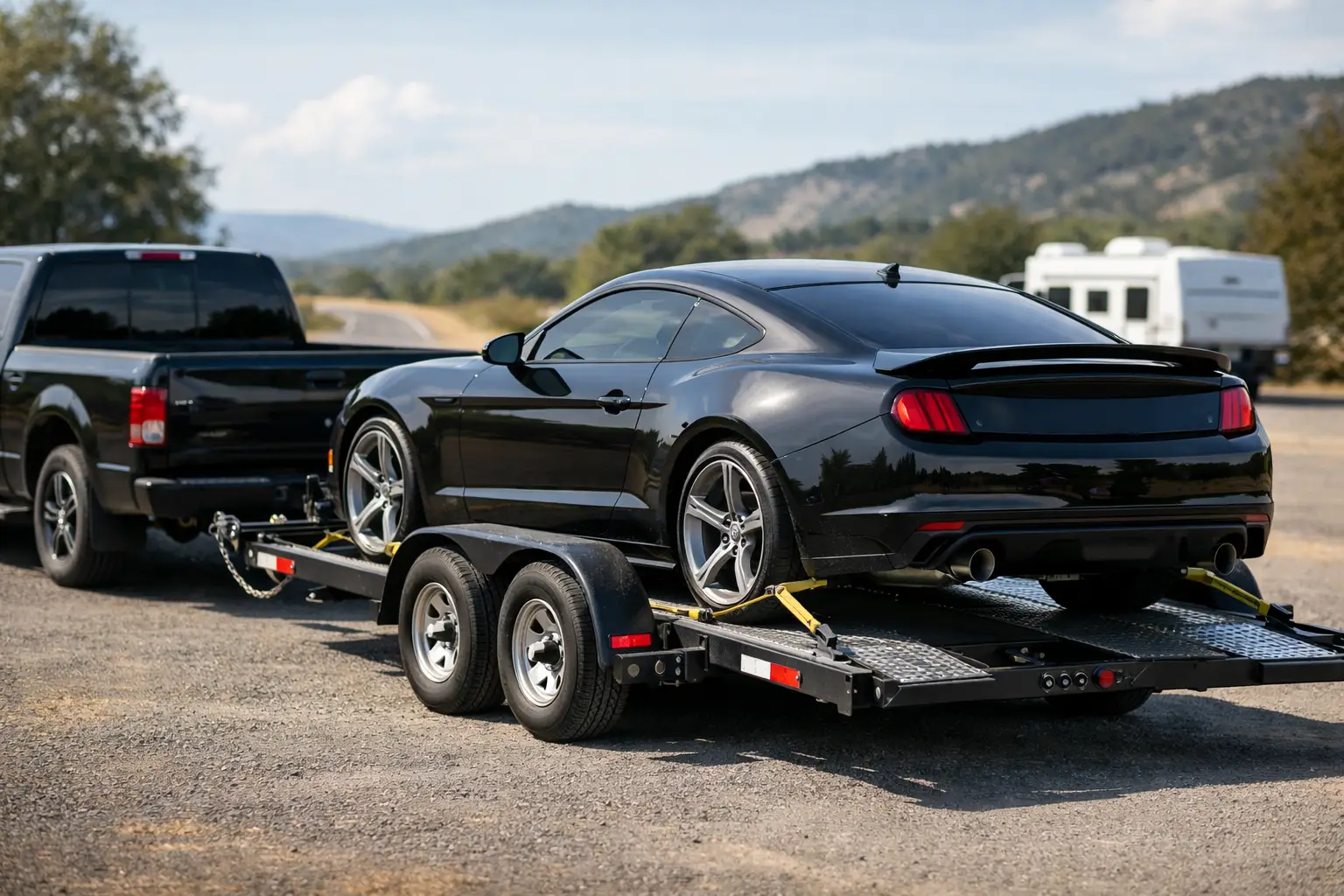
If you need to move a car, project vehicle, side-by-side, or small equipment, the wrong trailer can turn a simple haul into a long day fast. A towable car hauler rental sounds straightforward, but the details matter – especially if you’re towing with your own truck or SUV and you want the job done safely the first time.
For most people, the real question is not just, “Can I rent a car hauler?” It is, “Will it work with my vehicle, my load, and the roads I need to drive?” That is where a little planning saves money, time, and a lot of stress.
When a towable car hauler rental makes sense
Renting usually makes more sense than buying if you only need a hauler once in a while. Maybe you’re picking up a vehicle from a private seller, moving a non-running car to a shop, taking a project car home, or hauling equipment for a short-term job. In those cases, ownership is hard to justify. You still have to store the trailer, maintain tires and lights, and deal with registration.
A rental keeps things simple. You get the equipment for the time you need it, then bring it back when the job is done. For homeowners, small contractors, and local drivers in the Verde Valley, that is usually the practical call.
It also helps when your hauling needs change. One weekend you may need a trailer for a compact car. Another time you may be moving something with a wider stance or a different weight balance. Renting gives you flexibility instead of trying to make one trailer fit every job.
Not every car hauler fits every tow vehicle
This is where people get into trouble. A car hauler might be towable in general, but that does not mean it is towable by your vehicle.
The biggest factor is capacity. You need to account for the trailer’s own weight plus the vehicle or equipment you’re loading onto it. That total has to stay within your tow vehicle’s rated towing capacity. It also needs to line up with hitch rating, brake capability, and tongue weight limits.
Wheelbase and braking matter too. A half-ton truck may tow one setup comfortably and struggle with another, depending on the load. Some SUVs can handle a smaller vehicle on a trailer, but once the numbers get tight, you are better off not guessing.
That is why a good rental conversation should include your tow vehicle, what you’re hauling, and roughly how far you’re going. If a rental provider skips those questions, that is a red flag.
What to check before you book
A towable car hauler rental should fit your job on paper before it ever hits the road. Start with your tow vehicle’s tow rating and hitch class. Then look at the weight of the car or equipment you plan to load. If the exact weight is not obvious, get as close as you can from the owner’s manual, manufacturer specs, or registration details.
After that, ask about the trailer itself. You want to know the trailer weight, payload capacity, deck dimensions, ramp style, tie-down points, and whether the trailer has brakes. These are not extra details. They decide whether loading is easy or a headache.
Clearance is another issue people miss. A low car, a longer sedan, or a vehicle with body damage may need extra care getting onto the trailer. Ramp angle and deck height can make a real difference.
If you’re hauling a vehicle that does not run, mention that upfront. Loading a non-running car takes a different setup than driving one onto the trailer.
The benefit of a local rental company
Big national rental chains can work, but they often treat trailer rentals like a side category. If you have a question about fit, tie-downs, brake controllers, or local road conditions, you may not get much help beyond a screen and a counter.
A local company usually gives you something better – direct answers from people who actually rent this equipment every day. That matters when you are trying to figure out if your truck can handle the load, whether your hitch setup is right, or what kind of trailer will make the job easier.
That is one reason people around Clarkdale, Cottonwood, and nearby communities tend to prefer a company that actually picks up the phone. When you’re on a deadline, practical help beats a call center.
How to tell if the trailer is right for your load
The right trailer is not always the biggest one available. It is the one that matches your load safely and gives you enough room to secure it properly.
Length matters because the vehicle needs to sit in a balanced position on the deck. Width matters because you need the tires to track correctly and the fenders to clear. Weight distribution matters because too much tongue weight can overload the rear of your tow vehicle, while too little can make the trailer unstable.
Tie-down points matter just as much. A proper car hauler should give you solid, usable places to secure the load. If your vehicle has special considerations – low ground clearance, oversized tires, or damage that affects loading – bring that up before booking.
Sometimes a customer asks for the cheapest option when what they really need is the safest option. Those are not always the same thing. A better-fitting trailer can save you from wasted time, loading trouble, and expensive damage.
A few mistakes that cost renters money
The most common mistake is underestimating total weight. People often know the approximate weight of the vehicle they are hauling but forget to add the trailer itself. That one miss can put the whole setup over the limit.
The second mistake is assuming any hitch ball or plug will work. Trailer coupler size, electrical connection, brake controller needs, and safety chains all need to match your tow vehicle.
The third is rushing the loading process. A car that is too far forward or too far back on the trailer can change how it tows. Poor tie-down placement is another problem. If the load shifts, the whole trip changes.
Then there is the weather. In Arizona, conditions can change fast between towns and elevations. Heat, wind, and monsoon-season rain can all affect towing. That does not mean you cannot haul safely. It means you should give yourself extra margin and not plan the trip too tight.
Why fair pricing is only part of the deal
Price matters. Nobody wants to get soaked by high rates for a short-term hauling job. But the cheapest rental is not a bargain if the trailer is poorly maintained, the process is confusing, or nobody can answer a basic equipment question.
Good value comes from a clean, dependable trailer, clear rental terms, and straightforward help before you leave the lot. It also comes from not wasting half a day trying to sort out a mismatch between your tow vehicle and the trailer.
That is where a company like Monsoon Trailer Rental fits the job well. The point is not flashy service. It is simple – dependable equipment, fair pricing, easy booking, and real support when you need it.
Towable car hauler rental for first-time renters
If this is your first time towing a car hauler, keep it simple and ask questions early. Tell the rental company exactly what you’re towing and what you’re towing with. If you are unsure about brake controllers, tie-downs, or loading position, say so. A good rental provider would rather spend a few extra minutes helping you get set up right than have you struggle on the road.
It also helps to plan your route with towing in mind. Give yourself room for turns, braking, and backing. If you can avoid tight parking lots or steep access points, do it. Towing is manageable for first-timers, but it gets easier when you leave less to chance.
Getting the haul done without the usual hassle
A towable car hauler rental should solve a problem, not create a new one. The best rental experience is usually the simplest one – the trailer matches the load, your tow vehicle is up to the job, the equipment is ready when promised, and you can get a real person on the phone if something comes up.
That kind of service matters whether you’re moving a car across town, picking up a vehicle from a seller, or handling a one-day job that just needs to get done. When the trailer is right and the support is solid, the whole haul feels a lot more manageable.
If you’re planning a move soon, give yourself enough time to ask the right questions before you book. A few minutes upfront can save you a long afternoon on the side of the road.
Pingback: Trailer Rental for Small Business Hauling - Monsoon Trailer Rental LLC