
That quick run for lumber, a mower, a side-by-side, or a pile of yard debris can turn into two or three trips fast. A good guide to utility trailer rental helps you avoid that problem before you waste time, fuel, and a Saturday you were hoping to keep simple.
If you do not rent trailers often, the hardest part is usually not towing. It is choosing the right trailer for the job, making sure your vehicle can handle it, and knowing what the rental process will actually require. Get those three things right, and the rest tends to go smoothly.
A practical guide to utility trailer rental
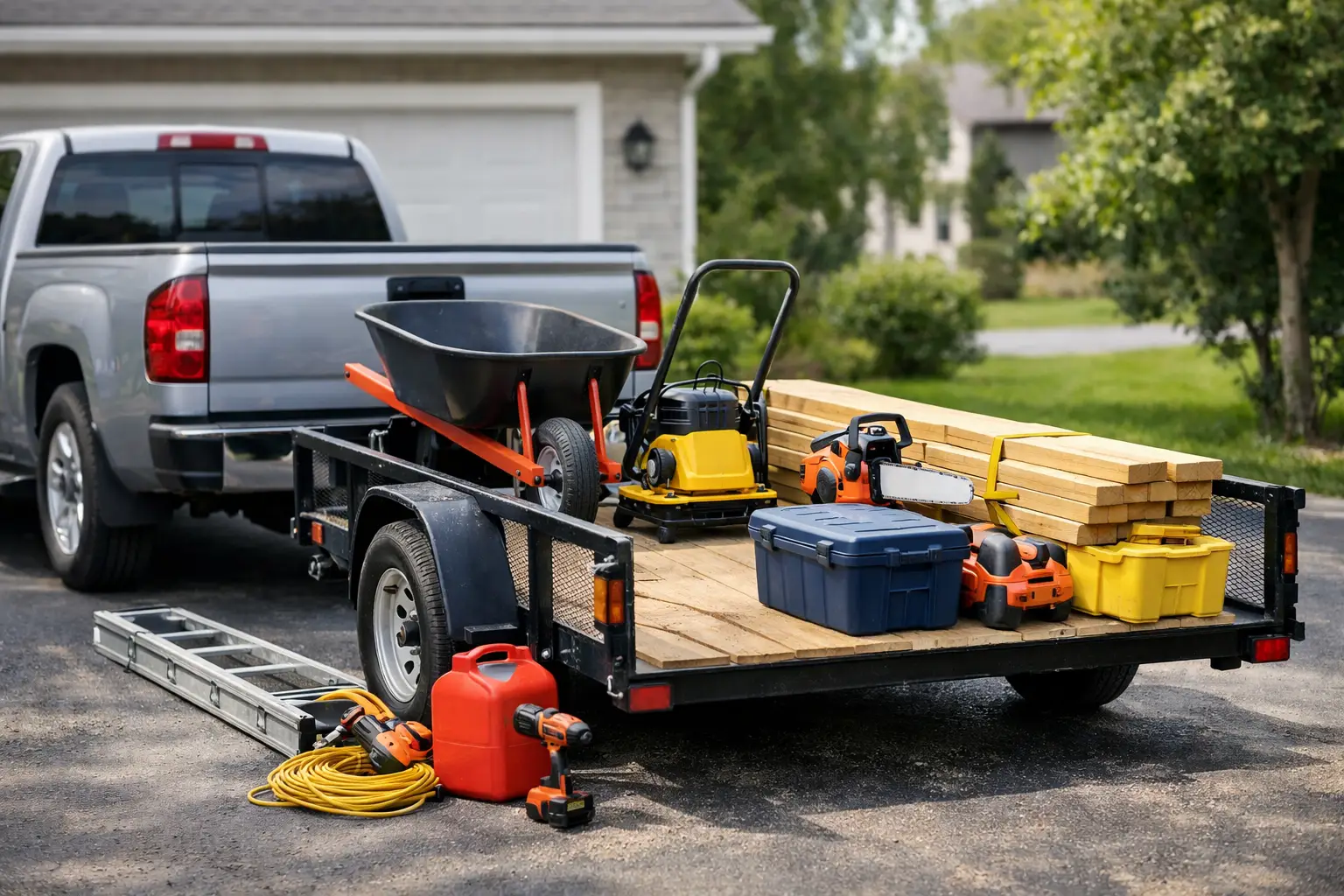
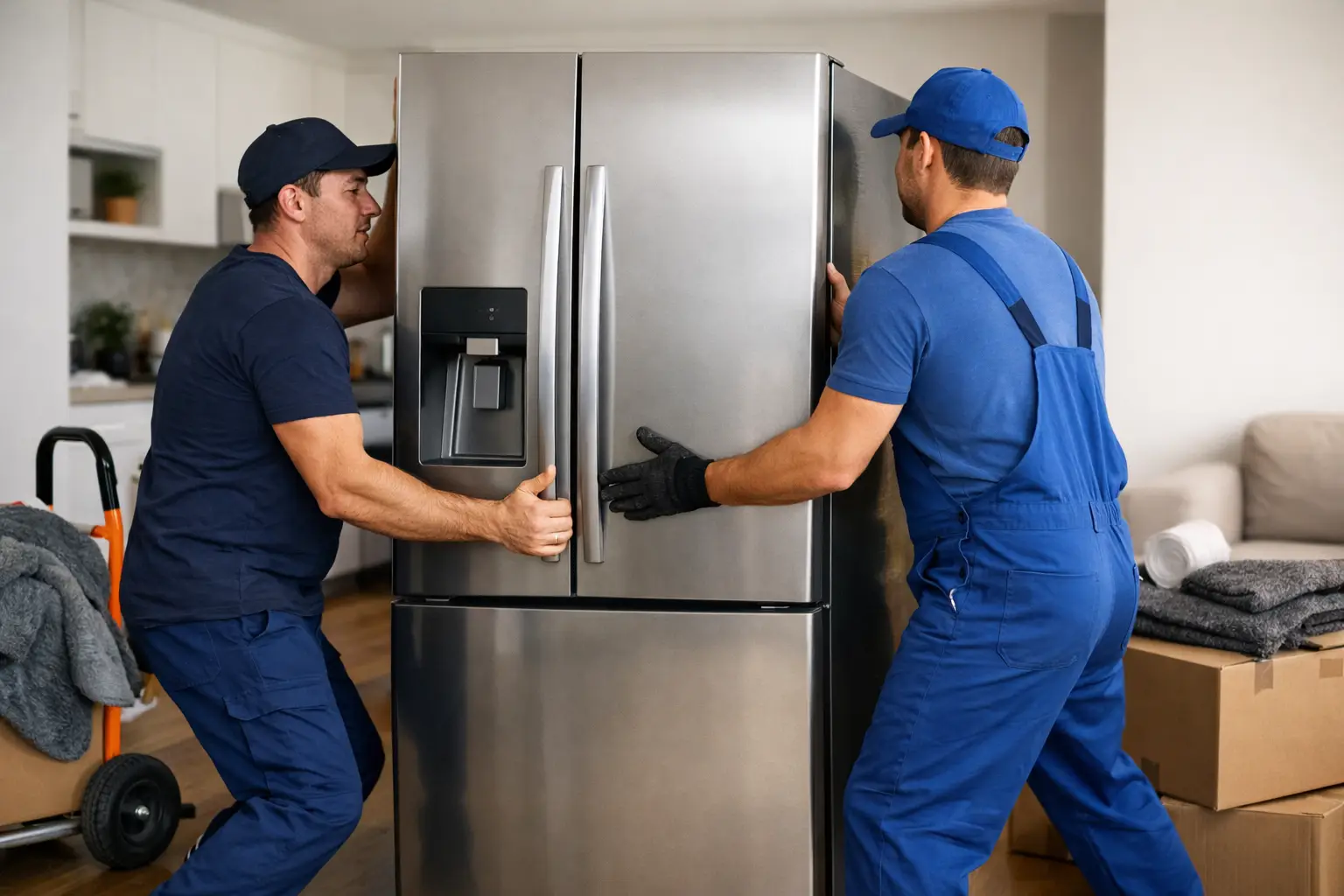
Utility trailers are popular because they cover a lot of everyday hauling jobs without the extra bulk of an enclosed trailer or the specialization of a car hauler. They are a solid fit for furniture moves, home projects, landscaping materials, appliances, tools, and small equipment. For a lot of homeowners and small crews, that open-deck design is exactly what makes them useful.
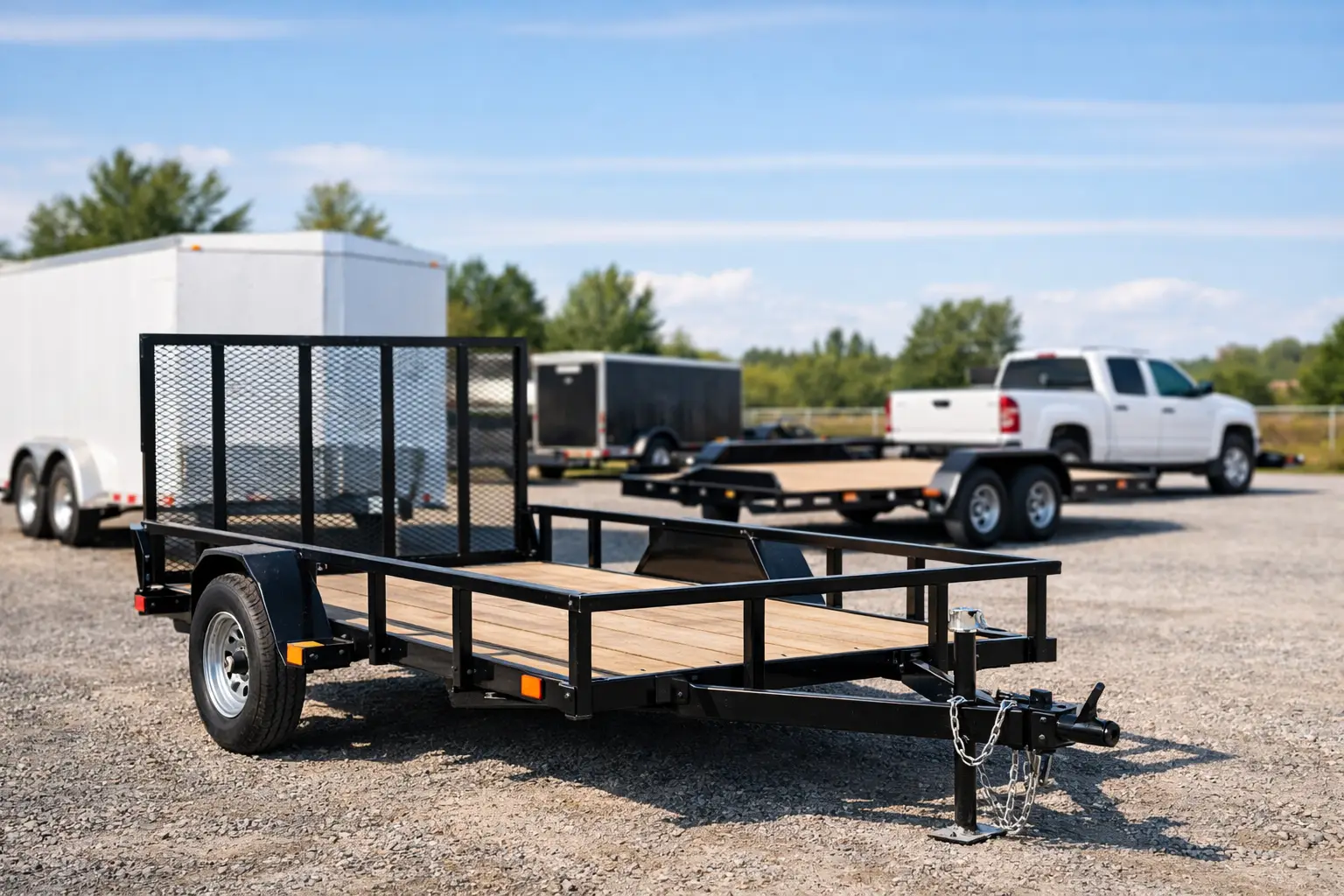
That said, not every utility trailer is interchangeable. Bed size, side rail height, ramp design, axle capacity, tie-down points, and total trailer weight all matter. Renting the cheapest option can work out fine, but only if it actually matches what you need to haul.
Start with the load, not the trailer
The easiest mistake is to think in general terms. People say they need a trailer for “some yard stuff” or “a few tools,” then show up with a zero-turn mower, three pallets of pavers, or a refrigerator plus a couch. The better approach is to picture the exact load.
Think about length, width, height, and weight. A trailer can have enough payload capacity and still be the wrong size if your load hangs off the back or sits too high to secure safely. On the other hand, going too large is not always better. A bigger trailer is heavier, takes more room to maneuver, and may push your tow vehicle closer to its limits.
If you are hauling loose material like brush or debris, side rails help. If you are loading wheeled equipment, a ramp gate can save time and your back. If you are moving something low and heavy, deck height becomes a real factor. These details matter more than people expect.
Common jobs that fit a utility trailer
A utility trailer is often the right choice for home renovation debris, landscaping equipment, small tractors, ATVs, appliances, furniture, generators, and jobsite materials. It is usually less ideal for weather-sensitive items, very tall loads, or anything that needs full enclosure for security.
That does not mean it cannot work for those jobs. It just means you may need better tarping, more careful tie-downs, or a different trailer style altogether.
Know your tow vehicle before you book
A trailer rental should start with your vehicle’s towing capacity, not your confidence level. Half-ton trucks, SUVs, and even some crossovers can tow a utility trailer, but the real question is how much they can tow once the trailer itself and the cargo are added together.
Check your owner’s manual or the sticker information for towing limits. You want to know your maximum towing capacity, hitch class, and whether you need a specific ball size or wiring connection. A lot of rental delays happen because someone assumes any truck can pull any trailer. That is not how it works.
Braking matters too. Depending on the trailer size and load, trailer brakes may be part of the equation. Even when they are not required, stopping distance changes once you are pulling weight. If your tow vehicle already feels busy with passengers, tools, or bed cargo, add that into your thinking.
What to confirm ahead of time
Before pickup, make sure you know your hitch receiver size, ball size, wiring plug type, and rated towing capacity. If you are unsure, ask. A local rental company that actually answers the phone can save you a lot of guessing and a wasted trip.
Trailer size and capacity are not the same thing
This is where first-time renters often get tripped up. A trailer may be physically large enough for your load but not rated to carry the weight. Or it may have plenty of payload capacity but not enough deck space to load safely.
For example, a load of bagged concrete, pavers, or green firewood gets heavy in a hurry. Meanwhile, a couch and a dining table may take up plenty of room without weighing much at all. Utility trailer rental works best when you match both dimensions and weight to the job.
A good rule is to leave yourself some margin. Running right up against the trailer’s limit or your tow vehicle’s limit is rarely worth it for a local haul. A little breathing room makes loading easier, towing steadier, and braking more predictable.
Loading matters as much as the trailer itself
Even a properly sized trailer can tow poorly if the load is wrong. Weight should be balanced so the trailer tracks straight and does not sway. Too much weight at the rear can make towing unstable. Too much weight at the tongue can overload the hitch and squat the vehicle.
Securement is just as important. Ratchet straps, chains, and proper tie-down points are not optional when you are hauling equipment or heavy items. Loose cargo becomes a problem fast, especially on rougher roads or at highway speed.
For lighter household loads, people tend to underestimate wind. Open trailers expose your cargo to airflow from every angle. Tarps can help, but only if they are secured correctly and not flapping loose.
Rental pricing is not just the daily rate
A low advertised rate can still turn into a higher total if the trailer is not the right fit, if you need extra time, or if pickup and drop-off are a hassle. That is why value matters more than the cheapest number on the page.
When comparing options, look at the full rental picture. Is the equipment dependable? Is booking simple? Can you get clear answers before pickup? Is the process set up for real schedules, including contactless pickup and drop-off if that helps you get moving early or return after work?
For a lot of people in the Verde Valley, convenience is not a bonus. It is the reason they rent locally instead of dealing with a bigger outfit that treats a simple trailer rental like a call-center problem.
Questions worth asking before you reserve
A solid guide to utility trailer rental should include the questions that save trouble later. Ask what the trailer’s deck dimensions are, what the payload rating is, what hitch and wiring setup you need, and whether ramps are included. Confirm the rental period, return expectations, and what happens if your project runs long.
If you are hauling a mower, UTV, or other equipment, give the actual make and model if you can. That makes it easier to match you with the right trailer the first time. If you are moving materials, estimate the weight honestly. Guessing low does not help anybody.
You should also ask about tire condition, lights, and general readiness if that information is not already clear. Dependable equipment matters because a trailer problem in the middle of your day is more expensive than the rental itself.
First-time renters should keep it simple
If this is your first trailer rental, do not overcomplicate it. Pick the trailer that fits the job, give yourself more loading time than you think you need, and plan your route before you leave. Tight parking lots, steep driveways, and crowded gas stations feel different with a trailer behind you.
Drive a little slower. Brake earlier. Take turns wider. Backing up is easier when you are not rushed and not trying to impress anybody. Most of trailer towing comes down to patience, not skill you were born with.
If you are on the fence between two trailer sizes, this is one of those it depends situations. If your tow vehicle is close to its limit, smaller may be smarter. If your load is awkward or likely to grow once the project starts, a bit more deck space may save you from doing the whole thing twice.
Why local service changes the experience
Trailer rental is one of those businesses where local knowledge still matters. Roads, property access, common hauling jobs, and customer schedules are different here than they are in a big metro market. A nearby company understands that you may be hauling landscaping material in Cottonwood, moving equipment near Clarkdale, or handling a home project that needs a trailer ready when your crew is ready.
That is also why straight answers matter. People want fair pricing, clear pickup details, and a team that does not disappear once the booking is done. Monsoon Trailer Rental is built around that kind of service, which is a big reason local renters come back when the next job shows up.
The best trailer rental is not the one with the flashiest ad. It is the one that fits your load, works with your vehicle, and helps you get the job done without extra drama. If you take a few minutes to plan before you book, your haul will usually feel a lot easier from the first mile to the final unload.