
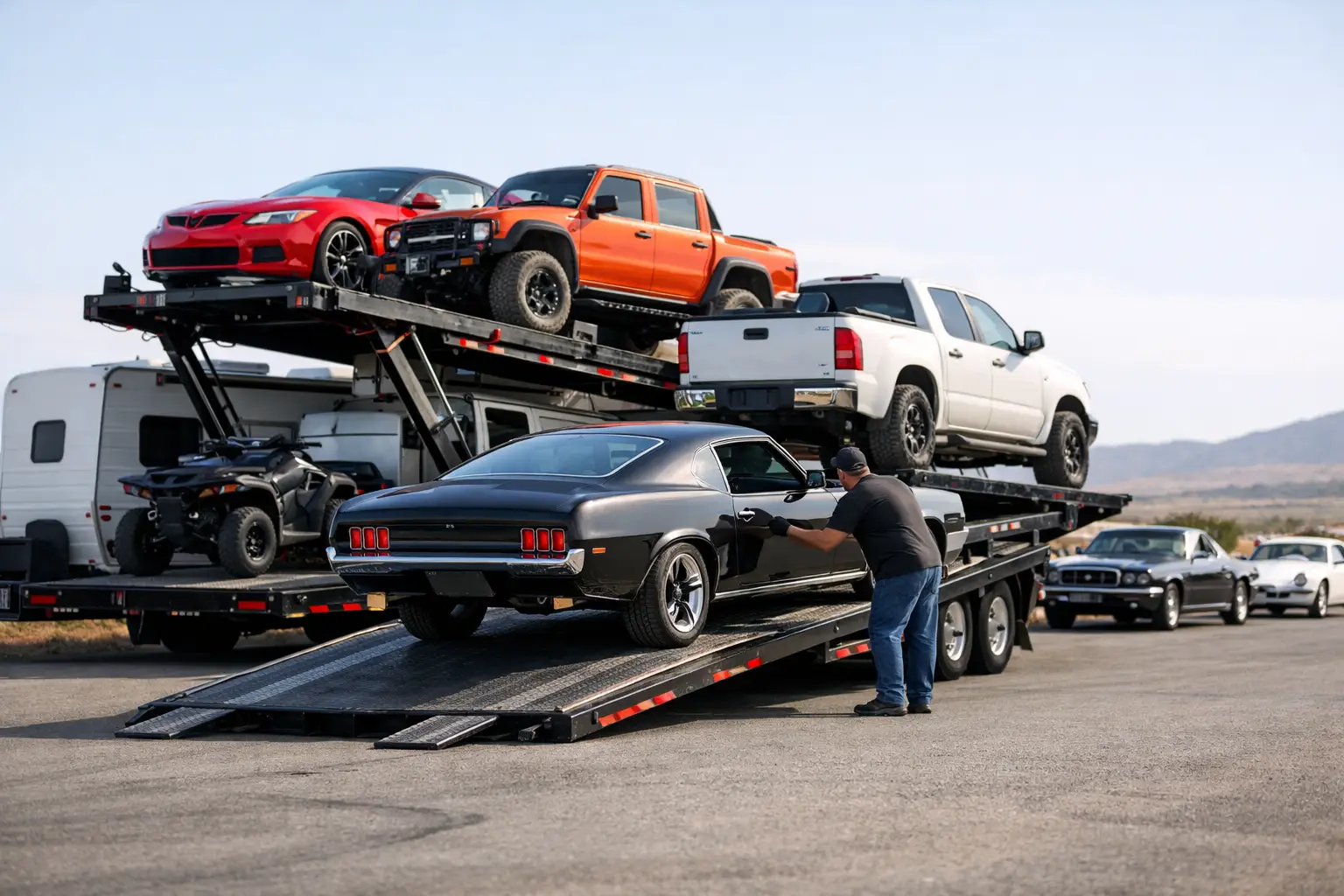
A car hauler earns its keep fast when you have a vehicle that needs to move but should not be driven. That is one of the best uses for car haulers, but it is far from the only one. Around the Verde Valley, people rent them for project cars, jobsite equipment, side-by-sides, and all kinds of short-term hauling jobs where owning a trailer just does not make sense.
The key is knowing when a car hauler is the right tool and when another trailer type might fit better. A good rental saves time, protects what you are moving, and keeps the trip a lot less stressful.
Best uses for car haulers on real jobs
A lot of people hear “car hauler” and think it only applies to sedans or pickups. In practice, these trailers are useful for many jobs that involve wheels, weight, and a need for stable loading.
Moving a vehicle that should not be driven
This is the most obvious use, and for good reason. If a car has mechanical problems, expired registration, body damage, or simply is not roadworthy, a car hauler is the safe answer. It keeps miles off the vehicle and avoids the gamble of trying to limp it home or to a shop.
This also comes up more often than people expect with older project cars. You buy something that “just needs a battery,” then realize halfway through the deal that it also needs brakes, tires, and a miracle. A trailer solves that problem quickly.
Transporting a project car or restoration vehicle
A project car usually does not fit neatly into normal transportation plans. It may not run. It may run badly. It may be missing parts, sit low to the ground, or need careful loading to avoid damage.
A car hauler gives you a controlled way to move it from a private seller, storage unit, paint shop, body shop, or garage. This is one of the best uses for car haulers because it protects the time and money already going into the build. If you are restoring a classic or moving a race car shell, towing it on a proper trailer is a lot smarter than improvising.
Taking a vehicle to a repair shop or body shop
Not every shop call requires a tow truck. If you have access to a suitable tow vehicle, renting a car hauler can be the more affordable option for a planned move. That is especially true when the timing is flexible and you want to drop off or pick up on your own schedule.
This works well for engine failures, transmission issues, collision damage, or vehicles that have been sitting too long to trust on the road. It also makes sense when you are moving a vehicle between shops for different kinds of work.
Relocating a car during a move
Moving households often means juggling more vehicles than drivers. If you are relocating and already have a truck for furniture or equipment, a car hauler can help you bring an extra vehicle along in one trip.
For local and regional moves, this can simplify a busy day. Instead of coordinating multiple drivers or making repeated runs, you can move a car, SUV, or light truck with the rest of your load plan. It is one of those practical uses people overlook until they are staring at a driveway full of keys.
Best uses for car haulers beyond cars
A solid car hauler is not limited to passenger vehicles. Depending on weight, dimensions, and tie-down points, it can handle several kinds of equipment that need a flat, stable deck.
Hauling ATVs, UTVs, and side-by-sides
In Arizona, this is a big one. Recreational machines need a dependable way to get from home to the trailhead, camp, property, or repair shop. A car hauler often gives you the deck space and tie-down options needed for side-by-sides and multiple smaller units.
The main thing to watch is fit. Width matters, especially with larger UTVs. Weight matters too, particularly if you are loading more than one machine. But when the numbers work, a car hauler can be a very practical choice.
Moving small jobsite equipment
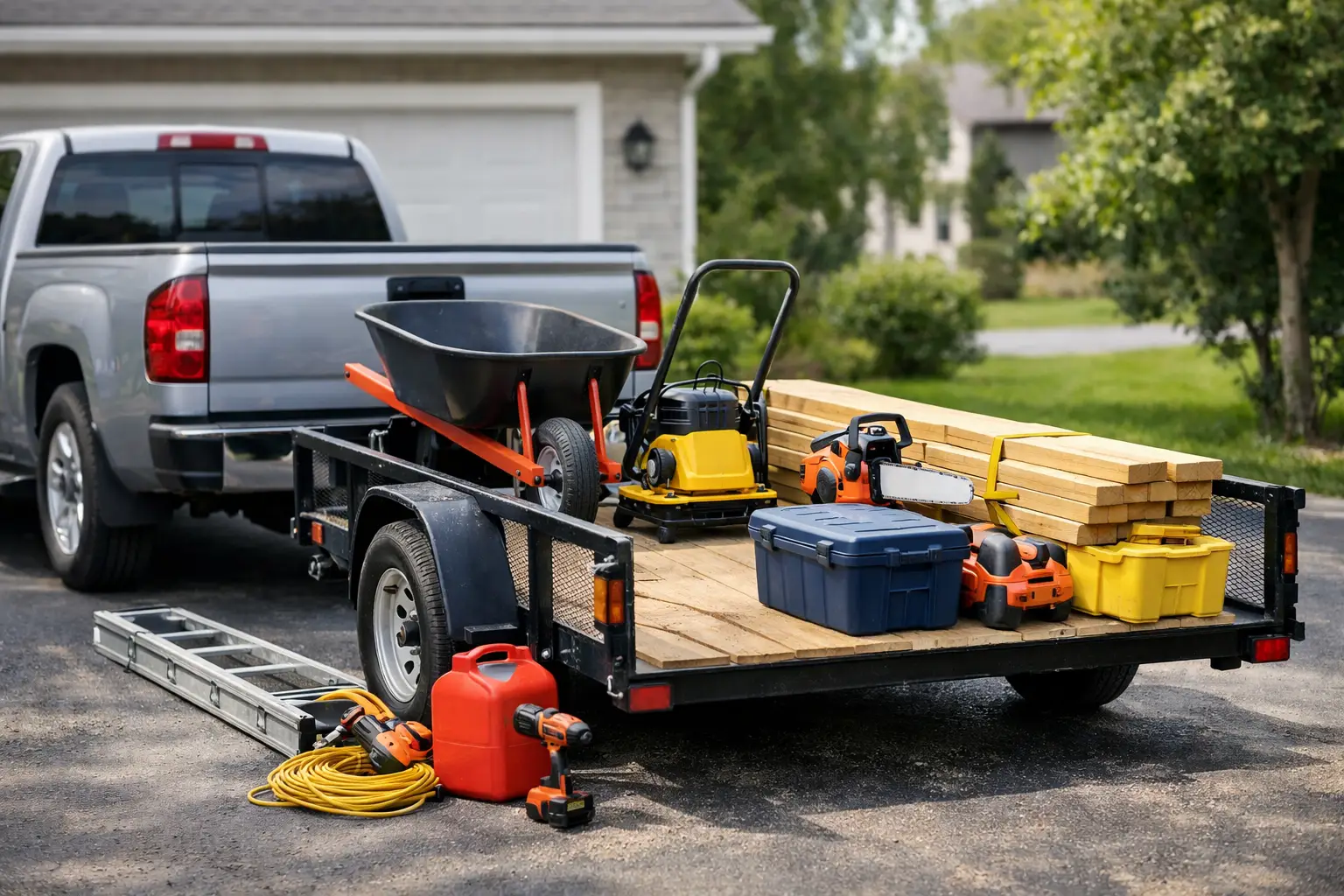
Contractors, landscapers, and property owners often need to move compact equipment without buying a trailer they only use occasionally. A car hauler can work well for small skid steers, compact tractors, utility vehicles, or similar wheeled equipment, as long as the trailer capacity and loading setup match the job.
This is where being honest about the load matters. Just because something physically fits does not mean it belongs on that trailer. Weight rating, axle capacity, deck length, ramp strength, and tow vehicle limits all need to line up. Done right, though, this can save a business owner real money on delivery fees and scheduling delays.
Transporting motorcycles with the right setup
A car hauler is not always the first choice for motorcycles, but it can be a useful option when you need to move one or more bikes and have proper wheel chocks and tie-down gear. The wide deck gives room to position the load carefully and secure it without crowding.
The trade-off is that motorcycles need more attention during loading and strapping than a full-size car does. If the setup is not right, a dedicated motorcycle trailer may be the better pick. But for a short-term move with the right equipment, a car hauler can absolutely get the job done.
When a car hauler makes more sense than owning one
For most people, trailer ownership sounds good until the real costs show up. You have the purchase price, registration, tire wear, brake maintenance, lighting issues, storage space, and the simple fact that a trailer can sit for months between uses.
That is why rental makes sense for occasional hauling. If you need a trailer for a vehicle purchase, a weekend project, a shop drop-off, or a one-time equipment move, renting keeps the cost tied to the actual job. You get the trailer when you need it and none of the long-term headaches when you do not.
This is especially true for homeowners and small operators who already have enough equipment to maintain. One more asset is not always a benefit.
What to check before using a car hauler
The best uses for car haulers all have one thing in common: the setup has to be right. A bad match between the trailer, the load, and the tow vehicle can turn a simple haul into a real problem.
Know your actual weights
Do not guess. Check the curb weight of the vehicle or equipment you are moving, then compare it to the trailer rating and your tow vehicle capacity. Include tools, parts, attachments, fuel, and anything else riding along.
People often underestimate load weight, especially with equipment or older trucks. It is better to ask questions upfront than find out too late that you are over the limit.
Check width, clearance, and ramp angle
Low cars, wide side-by-sides, and equipment with attachments can all create loading issues. Ground clearance matters. Approach angle matters. Tire width matters.
A car hauler may be perfect on paper but still be awkward if the vehicle scrapes on the ramps or the deck is too narrow for comfortable loading. That is why measurements matter just as much as weight ratings.
Use proper tie-down points
Securement is not the place to cut corners. The load should be balanced and strapped down using appropriate tie-down points, not whatever happens to be easiest. If the vehicle has special requirements, plan for that before loading.
A stable haul starts with careful loading and correct securement. It is not just about protecting the load. It is about keeping the trailer predictable on the road.
Match the trailer to the job
Sometimes a car hauler is exactly right. Sometimes an equipment trailer, dump trailer, or utility trailer would be a better fit. The difference usually comes down to deck type, loading style, weight needs, and what you are moving.
That is where working with a local rental company helps. If you tell them what the job is, what the load weighs, and what you are towing with, they can point you toward the trailer that makes sense instead of pushing the one that is merely available.
Why local renters use car haulers so often
In places like Cottonwood, Clarkdale, and the surrounding area, hauling jobs tend to be practical and time-sensitive. Someone is picking up a used vehicle, getting a side-by-side in for service, moving a compact machine, or finally bringing home that project car they have been talking about for six months.
A car hauler fits those jobs because it is versatile without being complicated. It covers a wide range of real-world needs for people who want to get the work done and move on. That is a big part of why local renters come back to it again and again.
If you are not sure whether your load belongs on a car hauler, ask before you hook up. A quick conversation can save a wasted trip, and the right trailer makes every haul feel a lot more manageable.