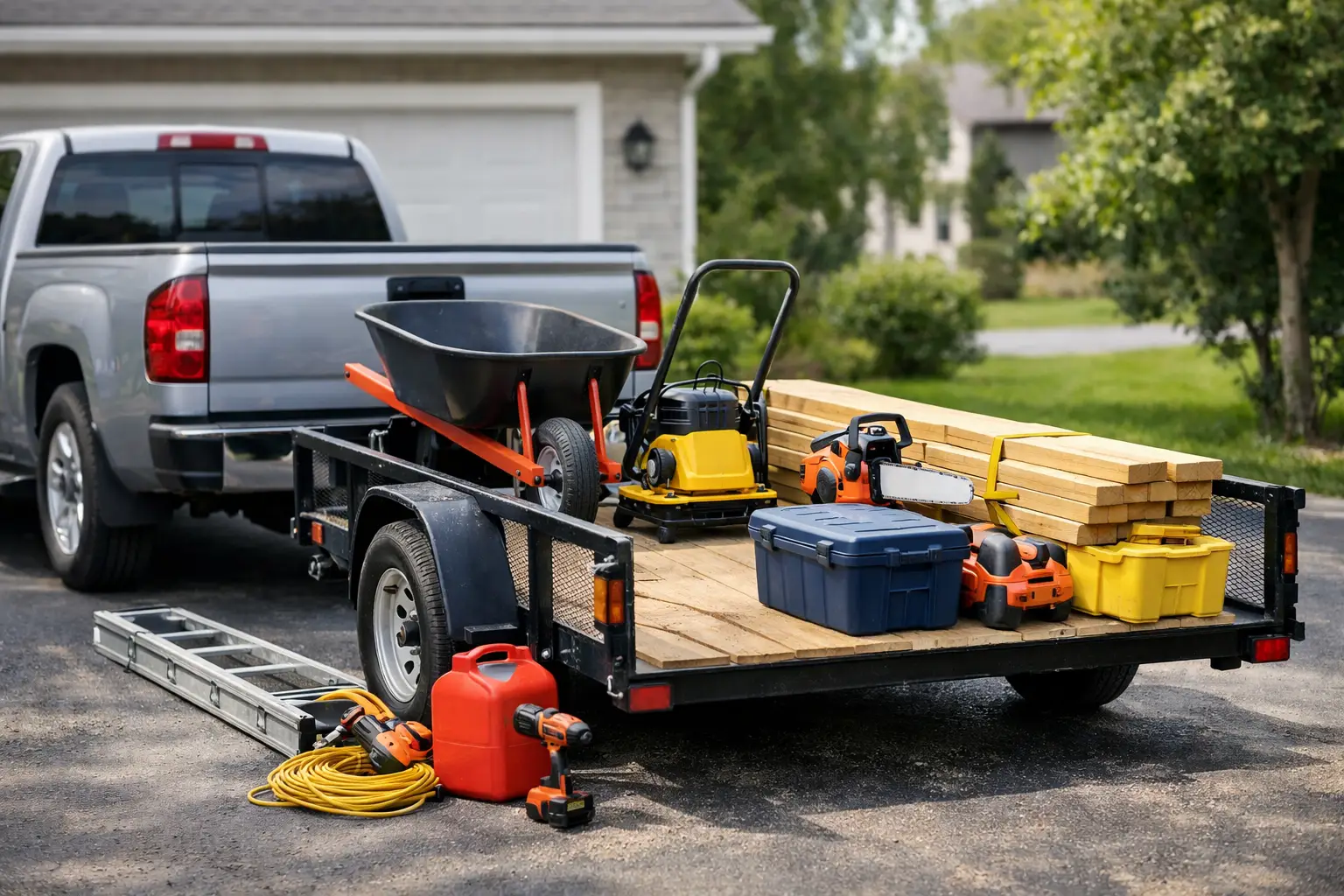

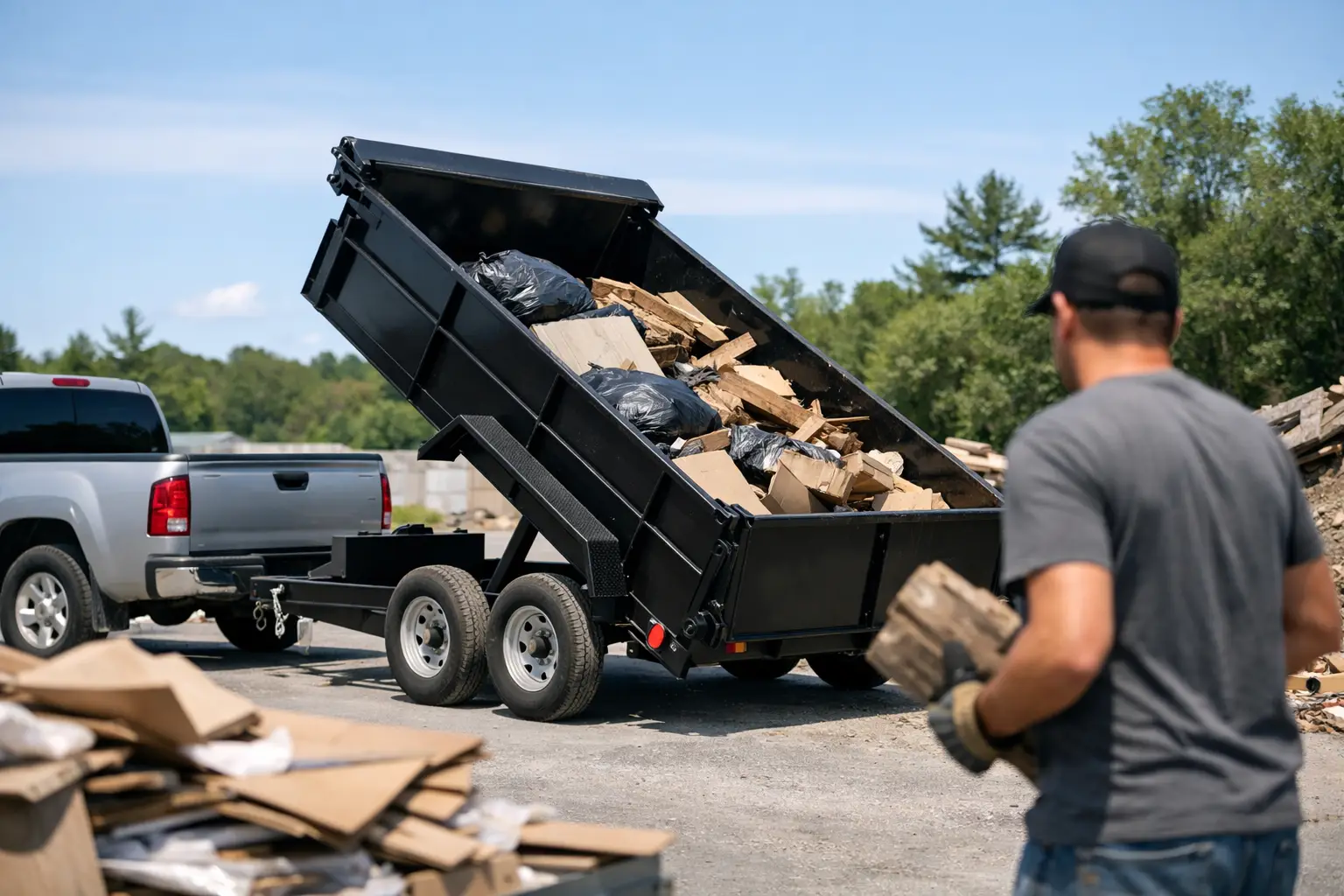
A cleanup job usually looks easy right up until the debris starts piling up. One bathroom demo turns into broken drywall, old cabinets, tile, trim, and a driveway full of mess. That is where a good dump run trailer rental earns its keep. Instead of making multiple trips in a pickup bed or paying for more hauling than you need, you get a practical way to load up, haul out, and keep the job moving.
Around the Verde Valley, that matters more than people think. A lot of projects start small and grow fast – yard cleanups, garage cleanouts, landscaping work, roofing scraps, furniture removal, even equipment moves tied to a jobsite. If you only need hauling power for a day or a weekend, renting a trailer usually makes more sense than owning one, borrowing one, or trying to force the job into a vehicle that is not built for it.
When a dump run trailer rental makes sense
The biggest reason people rent for dump runs is simple: volume. Trash bags and pickup beds work fine until you hit bulky debris, heavy material, or a mix of both. Tree limbs, torn-out fencing, brush, busted-up shelving, and old appliances can eat up space quickly.
A trailer gives you room to load efficiently and finish in fewer trips. That saves time at the dump, time on the road, and time standing around trying to figure out how to strap down an awkward load. For homeowners, that can mean knocking out a project in one day instead of letting debris sit for a week. For contractors and landscapers, it can mean keeping a crew focused on the actual work instead of running constant haul-off trips.
There is also the wear-and-tear side of the equation. Repeated dump runs in a personal truck add mileage, stress the suspension, dirty up the bed, and expose the vehicle to nails, sharp debris, and shifting loads. A rental trailer gives you the hauling capacity without asking your vehicle to do all the heavy lifting by itself.
Not every trailer is right for dump runs
This is where a lot of renters make the wrong call. They assume any trailer with enough floor space will do the job. Sometimes that is true. A lot of times, it is not.
For dump runs, the right trailer depends on what you are hauling, how much of it you have, and what your tow vehicle can safely handle. Lighter but bulky material like brush, cardboard, or old household junk creates one kind of demand. Dense debris like roofing shingles, tile, dirt, or concrete creates another.
A trailer that is too small forces extra trips. A trailer that is too large for your tow vehicle creates a safety problem. A trailer with the wrong loading setup can turn a quick cleanup into an all-day wrestling match.
That is why local support matters. A team that actually picks up the phone can help you match the trailer to the job instead of leaving you to guess from a generic inventory page.
Think about weight before space
People usually notice size first. Weight matters first.
A pile of green waste may look huge but stay relatively light. A smaller pile of broken tile or wet dirt can get heavy fast. If you are planning a dump run trailer rental, know what kind of material you are loading before you choose the trailer. Your vehicle has a towing limit, and the trailer itself has a payload limit. Both matter.
If you are not sure, be honest about the job. It is better to describe the material clearly and get the right recommendation than to assume bigger is better and hope it works out.
Loading ease matters more than people expect
A trailer can look great on paper and still be a pain to use if the loading setup does not fit the job. For hand-loaded junk, side access and manageable bed height can make a big difference. For equipment or wheeled items, ramps matter. For loose debris, the ease of securing the load matters too.
If you are cleaning out a property, handling a yard overhaul, or doing a small remodel, convenience matters because fatigue sets in fast. The easier it is to load, the faster the job goes.
What to know before you book
A smooth rental starts before hookup day. The best renters do a little prep first, and it saves them trouble later.
Start with your vehicle. Make sure it is rated to tow the trailer and the material you plan to haul. Check the hitch, ball size, wiring connection, and brake setup if required. If you are not used to towing, ask questions upfront. A straightforward rental company should make this part easier, not more confusing.
Next, think through your route. Dump sites have rules, hours, and material restrictions. Some loads need to be separated. Some require tarping. Some charge differently depending on what you bring in. If your whole plan depends on one dump trip, verify the details before you load the trailer to the top.
Then consider timing. A one-day rental often works for focused cleanups, but if the project has variables – weather, help from friends, demo that might run long – a weekend rental can take the pressure off. Rushing usually leads to bad loading, forgotten straps, and another trip you did not plan on.
Common jobs that call for a dump run trailer rental
A lot of people hear “dump run” and think only of trash. In practice, these rentals cover a wide range of real jobs.
Home cleanouts are a big one. Garage clutter, old mattresses, damaged furniture, renovation leftovers, and years of random junk can usually be handled much faster with a trailer than with trash-can pickup alone.
Yard projects are another common fit. Brush, branches, weeds, old pavers, fencing, and storm cleanup can create more debris than most people expect. In places like Cottonwood, Clarkdale, and nearby communities where outdoor work is constant for a lot of the year, having the right trailer can turn a drawn-out cleanup into a one-weekend job.
Small contractors use trailers for haul-off from job sites, especially when they do not need a dedicated dump truck. Landscapers, handymen, roofers, and remodel crews often just need dependable hauling for a short window without paying for equipment to sit idle afterward.
How to avoid the usual rental mistakes
Most dump run problems are predictable. Overloading is the biggest one. If the trailer squats hard, the load shifts, or the vehicle feels unstable, the job has already gone sideways. Heavy material should be distributed properly and kept within limits.
Another mistake is underestimating tie-down needs. Even junk loads need to be secured. Loose brush, cardboard, broken pieces of material, and lightweight debris can blow out on the road. That is not just annoying. It is unsafe.
The last common mistake is booking based on price alone. Cheap is not cheap if the trailer is unreliable, the tires are questionable, or customer support disappears once you have the equipment. Fair pricing matters, but dependable equipment and responsive service matter just as much.
That is one reason local renters often prefer a business like Monsoon Trailer Rental over a bigger outfit. You are not trying to navigate a call center when you have a question. You are working with people who understand the kind of hauling jobs folks around here actually do.
Why local trailer rental usually works better
Dump runs are practical jobs. They do not need a complicated process. They need the right trailer, fair rates, and service that is easy to deal with.
That is where local rental stands out. You are more likely to get direct answers, quicker booking, and equipment that fits the region and the work people are actually doing. If you are hauling cleanup debris in Sedona, clearing brush near Cornville, or finishing a remodel in Camp Verde, you want a rental process that feels straightforward from the first call to the final return.
You also want flexibility. First-time renters may need more guidance on towing and trailer choice. Experienced haulers usually want fast booking and no nonsense. Good local service can do both.
The better way to handle a messy job
A dump run trailer rental is not about making hauling look fancy. It is about getting a dirty, awkward job done with less wasted time, less stress on your vehicle, and fewer trips than you would make otherwise.
If the mess is already bigger than your truck bed, it is probably time to stop improvising and use equipment that fits the job. The right trailer does more than move debris. It helps you finish what you started and get your space back.