

A trailer can turn a Saturday cleanup, equipment pickup, or vehicle move into a job that gets done in one trip. But if you do not own one, the question is simple: is trailer rental worth it for the work you need done?
For most one-time and occasional hauling jobs, the answer is yes. Renting lets you get the right trailer for the day without paying for storage, maintenance, registration, tires, repairs, and the other costs that come with ownership. The key is matching the trailer, tow vehicle, and rental period to the job before you book.
Is Trailer Rental Worth It for Occasional Hauling?
Trailer rental makes the most sense when hauling is something you need now and then, not every week. A homeowner clearing brush, moving furniture, hauling a side-by-side, or taking debris to the dump may only need a trailer a few times a year. Buying a trailer for those jobs can leave you with a piece of equipment sitting in the yard 360 days a year.
With a rental, you pay for the time you use. You also avoid figuring out where to park it, keeping the tires from dry-rotting in the Arizona sun, replacing worn lights, and dealing with bearings, brakes, ramps, and deck repairs. Those costs are easy to overlook when comparing a daily rental rate to the purchase price of a trailer.
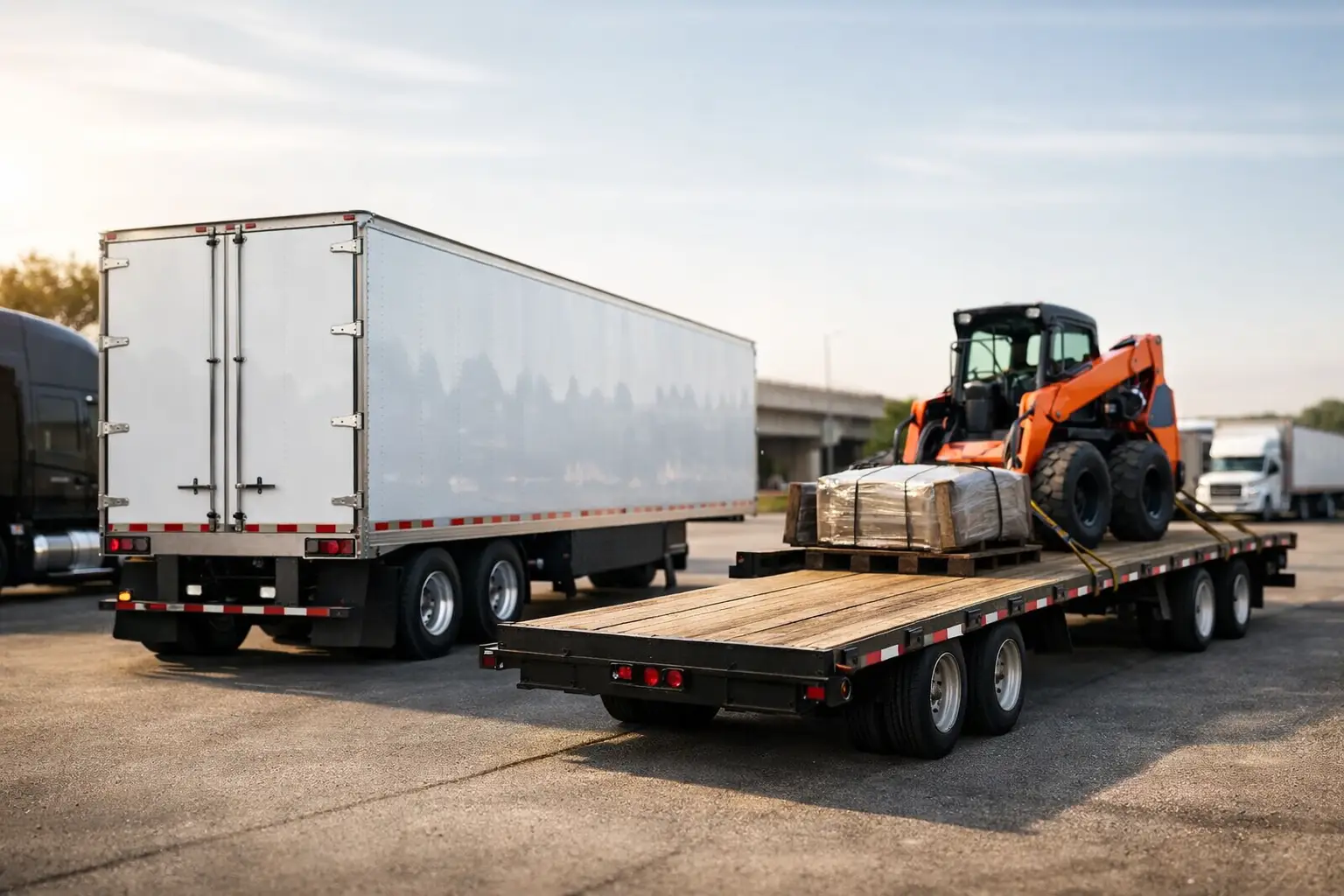
Rental is also a good fit when the job calls for a trailer you would not normally own. A utility trailer may be right for landscaping material and household debris, while a car hauler is the better tool for moving a project car, transporting a vehicle after a breakdown, or getting a vehicle to a shop. Renting gives you options instead of forcing every load onto one trailer.
When Buying a Trailer Starts to Make More Sense
Ownership can be the better move for people who haul often enough to make rental fees add up. A contractor running materials to jobsites several days a week, a landscaper moving equipment daily, or a business regularly transporting vehicles may benefit from having a trailer ready at all times.
Even then, buying is not automatically cheaper. Start with the real purchase cost, then add registration, insurance if needed, secure storage, routine maintenance, replacement tires, brake service, wiring fixes, and unexpected repairs. A trailer that is used hard needs attention. A trailer that sits unused still needs attention.
Convenience is the biggest advantage of ownership. Your trailer is there when a customer calls or when a job runs late. But renting has its own convenience: you do not have to maintain equipment you only use occasionally. For many Verde Valley homeowners and small businesses, that trade-off is well worth it.
A useful rule of thumb is this: if you rent only a handful of times per year, rental is usually the practical choice. If you are renting frequently, turning down work because a trailer is unavailable, or paying rental fees month after month, it may be time to compare ownership costs more closely.
The Costs People Forget to Include
The purchase price is only the beginning. A trailer may look affordable on a sales lot, but the long-term cost is what matters. Before buying, consider whether you have space to keep it secure, whether your neighborhood or property has room for it, and how often you will actually use it.
There is also the cost of downtime. If a light stops working, a tire fails, or a bearing needs service the morning of a job, the repair is on you. When you rent dependable equipment, maintenance is not something you have to schedule and manage between jobs.
A rental also helps you avoid buying too much trailer or not enough trailer. Buying a large trailer for occasional small loads means more money tied up in equipment you do not need. Buying a light-duty trailer for heavier work can create a safety problem and limit what you can haul. Renting the right size for each job keeps the decision straightforward.
Rental Is Not Always the Cheapest Option
There are situations where trailer rental is not the best answer. A rental can cost more than expected if the job takes longer than planned, you need several days instead of one, or you repeatedly rent the same type of trailer. It may also be less convenient if you need equipment at unpredictable hours and cannot plan ahead.
The best way to avoid surprises is to be realistic about the job. Think through loading time, drive time, unloading, disposal trips, and whether you may need a second run. A small cleanup can become a full-day project once you start sorting old lumber, yard waste, appliances, and scrap metal.
Ask about the rental period, pickup and return process, load capacity, ramp setup, tie-down points, and any requirements for your tow vehicle. Clear answers up front are better than finding out halfway through the job that the trailer is not the right fit.
Choose the Trailer Based on the Load
The right rental depends on what you are hauling, not just how much space you think you need. Weight matters as much as size. Wet dirt, gravel, firewood, machinery, and vehicles can get heavy fast.
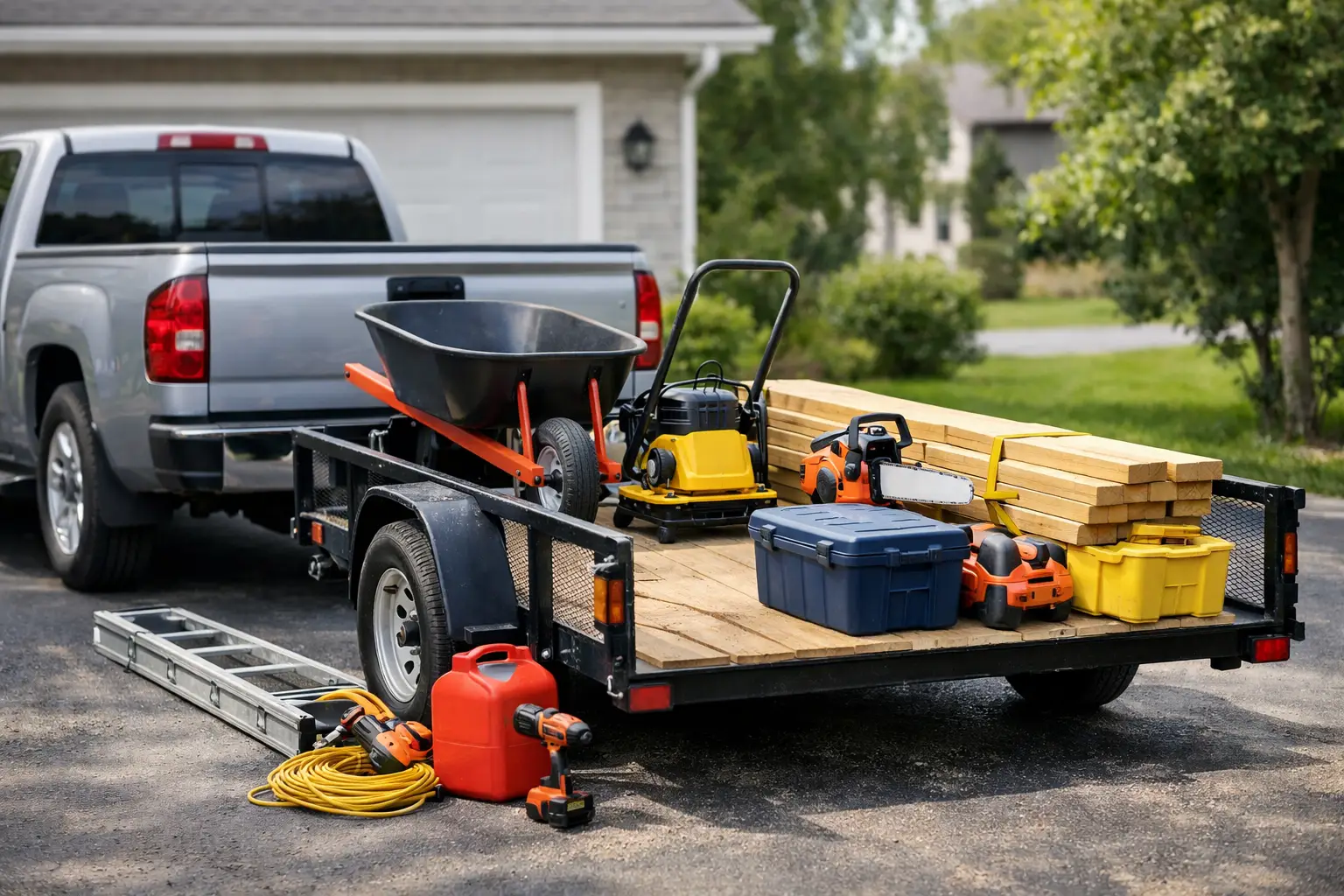
For general household projects, a utility trailer can work well for furniture, bagged debris, tools, lumber, and yard cleanup. For landscaping work, you may need enough room for mowers, trimmers, wheelbarrows, mulch, or brush. For vehicle transport, a car hauler with proper ramps, secure tie-down locations, and the appropriate capacity is the safer choice.
Do not guess at the weight of a vehicle or piece of equipment. Check it before booking, then make sure the trailer capacity and your tow vehicle’s towing capacity can handle the load. The trailer is only one part of the setup. Your hitch rating, ball size, electrical connection, brakes, cargo securement, and tow vehicle condition all matter.
If you are a first-time renter, say so. A good local rental company should help you choose equipment that fits the job rather than pushing you into the biggest option available.
Time Savings Can Be Worth More Than the Rental Rate
A rental trailer often pays for itself in time saved. Without one, a project may require multiple pickup-truck loads, borrowed equipment, delivery fees, or several trips back and forth across town. That is fuel, time, and wear on your vehicle.
For someone cleaning out a rental property in Cottonwood, picking up supplies in Camp Verde, or moving a vehicle around the Verde Valley, one properly loaded trip can be a lot easier than trying to make a small truck bed do a trailer’s job.
This matters for small business owners, too. If renting a trailer lets you finish a job the same day, keep a crew working, or avoid paying a delivery charge, the value is not just the rental price. It is the work you can complete because you had the right equipment.
How to Make a Trailer Rental Worth It
Renting works best when you plan the job before pickup. Measure large items, estimate the weight, confirm where you are loading and unloading, and make sure your tow vehicle is ready. Bring the right hitch equipment and have ratchet straps, chains, or other approved securement ready for the load.
Load heavy items low and balanced over the trailer axles. Secure every item, even if the drive is short. Check lights and connections before leaving, then recheck your straps after the first few miles. Arizona roads can be rough, and a loose load can become a dangerous load quickly.
Also, book for the time you truly need. Rushing a load because the return deadline is close is not worth it. If the job involves a vehicle, a large cleanup, or equipment you have not hauled before, give yourself enough time to load carefully and drive at a safe pace.
A Straight Answer for Your Next Job
Trailer rental is worth it when you need dependable hauling without the year-round cost and responsibility of owning a trailer. It is especially practical for occasional projects, vehicle moves, cleanup work, and jobs that require a trailer size you do not need every day.
If hauling is part of your regular work, run the numbers and consider ownership. If you simply need the right tool for a real job this week, renting is usually the cleaner, more affordable move. Monsoon Trailer Rental is built for that kind of work: straightforward booking, dependable equipment, and a team that actually picks up the phone. Pick the trailer that fits the load, plan the trip, and get the job off your list.